Cleft palate surgery is an essential medical procedure to fix a congenital defect marked by an opening or gap in the roof of the mouth. This condition can result from genetic and environmental factors during pregnancy and may significantly affect the individual's ability to eat, speak, and breathe. Symptoms often include trouble swallowing, nasal regurgitation, and speech problems. The surgery usually takes place between 6 and 18 months old, as this timing supports normal development and reduces the impact on speech and growth.
During the operation, the surgeon closes the gap by repositioning tissue and muscle to form a functional palate. Although the surgery is generally safe, risks include infection, bleeding, and anaesthesia complications. Post-operative care is vital and might involve pain relief, diet changes, and speech therapy to aid recovery and improve communication skills. Long-term follow-up is often necessary to monitor the child's development and manage any subsequent procedures as they grow.
Visible Gap: An opening in the roof of the mouth or upper lip that is noticeable.
Feeding Issues: Difficulty swallowing, sucking, or feeding, especially in newborns.
Speech Impairments: Challenges with speech or a nasal-sounding voice.
Frequent Ear Infections: Higher risk of infections and fluid buildup in the middle ear.
Breathing Problems: Difficulty breathing, especially in severe cases.

 The exact cause of a cleft palate is often unclear, but it is believed to result from a combination of genetic and environmental factors. Common causes include:
Genetics: A family history of cleft palate increases the risk of cleft palate.
Environmental Factors: Exposure to certain medications, alcohol, smoking, or inadequate prenatal care.
Nutritional Deficiencies: Insufficient folic acid intake during pregnancy can raise the risk.
Medical attention should be sought if:
There is a visible gap in the roof of the mouth or lip in a newborn.
The child has difficulty feeding, breathing, or speaking.
Recurrent ear infections occur. Early intervention and regular follow-up visits with healthcare providers help manage and correct the condition.
Factors that increase the likelihood of cleft palate include:
Family History: Genetic predisposition to cleft palate.
Maternal Smoking and Alcohol Consumption: Exposure during pregnancy.
Nutritional Deficiencies: Especially folic acid.
Certain Medications: Some medications, such as anti-seizure drugs, may increase the risk.
A cleft palate can often be diagnosed:
Prenatal Ultrasound: Sometimes, clefts are visible on ultrasounds around 20 weeks of pregnancy.
Physical Examination: After birth, a cleft palate can be identified through a visual mouth examination.
X-rays and Scans: Imaging may be used to assess the extent of the opening.
Do's:
Follow Post-op Care: Clean the surgical site as advised and administer prescribed medications.
Monitor Your Diet: Start with liquids and progress to soft foods as recommended by your doctor.
Encourage Speech Therapy: This can help with speech development.
Attend Follow-up Visits: Regular follow-up visits are essential for monitoring healing and progress.
Don'ts:
Avoid Hard Foods: Stick to soft foods to avoid stressing the palate.
Limit Pacifier Use: Avoid using pacifiers or bottles that could irritate the healing palate.
Avoid Playing with Surgical Area: Prevent the child from touching or placing objects in the surgical area.
Disclaimer:
Our medical content authors have diligently gathered and synthesized information on this topic to offer valuable insights to our readers. Drawing from a range of reputable medical journals and health resources, this content aims to enhance understanding of the subject. It's essential to remember that while this information is informative, it should not replace personalized consultation or treatment from a qualified healthcare professional. For further details, please refer to our Editorial Policy.
For this topic, our authors used some of the following resources:
Cleveland Clinic | Cleft Lip & Cleft Palate Surgery
National Institutes of Health (.gov) | Cleft Palate Repair
nhs.uk | Cleft lip and palate - Treatment
Mayo Clinic | Cleft lip and cleft palate - Diagnosis and treatment
.png)
Saba holds a Master’s degree in Pharmacy from Jamia Hamdard University, New Delhi and possesses a deep understanding of medical subjects. She is an experienced teacher and is passionate about health education. She has a remarkable talent for transforming complex medical concepts into engaging, accurate, and impactful content to inspire healthier living. With a deep scientific understanding and thorough research, Saba consistently supports her writings with the latest publications, ensuring accuracy and relevance.
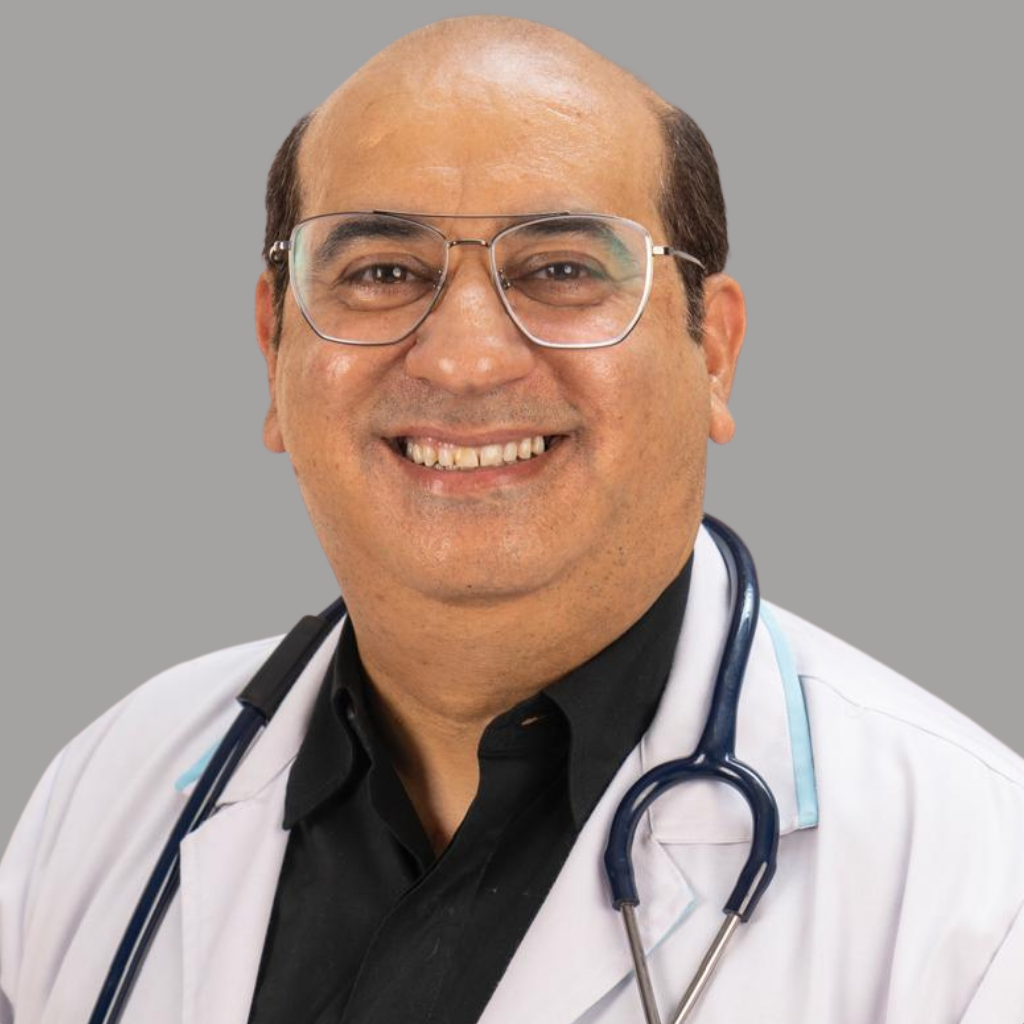
Dr. Yuvraj brings over 27 years of clinical and leadership experience. He contributes to the VivaVel Editorial and Peer Review Panel and is a strong advocate for ethical, evidence-based healthcare. Dr. Yuvraj ensures that VivaVel’s medical content stays accurate, authentic, and patient-centred. His extensive expertise in modern and traditional medicine, along with his Clinical Pharmacology background, helps him communicate complex scientific concepts in accessible ways. This ensures that VivaVel’s content remains trustworthy for readers and patients worldwide.


 BLK-MAX Super Specialty Hospital
 Pusa Road, Radha Soami Satsang, Rajendra Place New Delhi, 110005 India
 Accord Superspeciality Hospital
Budena Village, Sector 86, Faridabad, Haryana 121002, India
 PARAS Health, Gurugram
C-1, Sushant Lok- 1, Sector-43, Phase- I, Gurugram, Haryana, 122002
 Kokilaben Dhirubhai Ambani Hospital
Rao Saheb, Achutrao Patwardhan Marg, Four Bungalows, Andheri West Mumbai, 400053 India
 Dr. Prabhat Kumar Bajpai
 Consultant
 Pediatrician
 21 Years Experience
 Accord Superspeciality Hospital
Dr. Prabhat Kumar Bajpai is a well-known pediatric care figure with 21 Years of experience in pediatrics and neonatology. He graduated from King George's Medical ...
 Book Consultation
 Dr. Raghuram MallaiahDirector & HOD
Pediatrician
25 Years ExperienceFortis La Femme
Dr. Raghuram MallaiahDirector & HOD
Pediatrician
25 Years ExperienceFortis La Femme
Dr. Raghuram Mallaiah is the Director of Neonatology and the Director/Founder of Amara Human Milk Bank at Fortis La Femme, GK Part 2, Delhi. With over 25 years of exp...
Book Consultation
 Dr. Anil Kumar SinghiHead - Pediatric Cardiology & Senior Int...
Pediatric & Congenital Heart Disease
18 Years ExperienceManipal Hospital (E.M. Bypass), Kolkata
Dr. Anil Kumar SinghiHead - Pediatric Cardiology & Senior Int...
Pediatric & Congenital Heart Disease
18 Years ExperienceManipal Hospital (E.M. Bypass), Kolkata
Dr. Anil Kumar Singhi is an experienced pediatrician with 18 years in the field, 12 of which have been explicitly dedicated to pediatric cardiology. He excels in diag...
Book Consultation
 Dr. Nidhi RawalConsultant
Pediatric Gastroenterologist
13 Years ExperienceMadhukar Rainbow Children's Hospital
Dr. Nidhi RawalConsultant
Pediatric Gastroenterologist
13 Years ExperienceMadhukar Rainbow Children's Hospital
Dr. Nidhi Rawal is a highly regarded Pediatric Gastroenterologist and Hepatologist based in New Delhi. She has 11 years of experience in her field. She specia...
Book Consultation
 Dr. Ashutosh MarwahDirector Pediatric Cardiology
Pediatrics | Pediatric Cardiac Sciences
20 Years ExperienceFortis Escorts Heart Institute
Dr. Ashutosh MarwahDirector Pediatric Cardiology
Pediatrics | Pediatric Cardiac Sciences
20 Years ExperienceFortis Escorts Heart Institute
Dr. Ashutosh Marwah completed his MBBS from Maulana Azad Medical College at the University of Delhi and his MD in Pediatrics from the same institution. He pursued an ...
Book Consultation
 Dr. Parvathi Unninayar IyerPrincipal Director Pediatrics
Pediatrics | Pediatric Cardiac Sciences
37 Years ExperienceFortis Escorts Heart Institute
Dr. Parvathi Unninayar IyerPrincipal Director Pediatrics
Pediatrics | Pediatric Cardiac Sciences
37 Years ExperienceFortis Escorts Heart Institute
Dr. Parvathi U. Iyer is the Principal Director of Pediatric Cardiac Intensive Care at the Fortis Escorts Heart Institute (FEHI) in New Delhi, which hosts one of India's b...
Book Consultation
Treatment Plan & Cost within 2 days















 Heart Bypass Surgery (CABG)
 Max Super Speciality Hospital, Vaishali
 Dr. Kaushik Sen