A pediatric liver transplant is a complex surgery that provides a child with a failing or diseased liver a new, healthy one. This transplant can originate from a deceased donor or, in some cases, a living donor, often a relative, who donates part of their liver. The liver is vital for essential functions, including filtering toxins, aiding digestion through bile production, and regulating blood sugar and fat levels. When liver function is severely compromised, it can lead to life-threatening problems such as toxin buildup, malnutrition, and blood clotting issues. During the surgery, surgeons remove the diseased liver and replace it with a healthy liver segment, which will grow and adapt within the child's body. After the transplant, the child requires close monitoring and immunosuppressive medications to prevent rejection of the new liver. With successful surgery and proper post-operative care, a liver transplant can greatly enhance the child's quality of life and prospects for long-term survival.
 Children needing a liver transplant may experience several symptoms indicating liver failure or severe liver disease, including:
Jaundice (yellowing of skin and eyes)
Dark urine and pale stools
Swelling in the abdomen and legs (due to fluid buildup)
Itchy skin
Frequent infections and bruising easily
Poor growth or weight loss
Fatigue and general weakness
Vomiting or feeling full easily

Several conditions can lead to liver failure in children, such as:
Biliary atresia (blockage in bile ducts)
Genetic disorders, like Wilson's disease or Alpha-1 antitrypsin deficiency
Metabolic diseases, such as tyrosinemia
Acute liver failure, possibly from infections, toxins, or medication overdose
Autoimmune liver diseases
Cirrhosis from prolonged liver disease
Early intervention can improve outcomes, so it's crucial to contact a healthcare provider if you notice any of these symptoms:
Persistent yellowing of the skin and eyes
Abdominal swelling or pain
Dark-colored urine and light-colored stools
Lack of energy or unusual fatigue
Persistent nausea or vomiting
Certain factors may increase a child's risk of developing liver disease:
Family history of liver disease or genetic disorders
Autoimmune diseases or weakened immune systems
Exposure to toxins or infections
Certain medications or high doses of acetaminophen
A doctor will use a range of tests to diagnose liver disease and assess the need for a transplant:
Blood Tests: Check liver enzymes, bilirubin, clotting factors, and other relevant factors.
Imaging Tests: Ultrasound, CT scans, and MRIs help visualize liver structure.
Liver Biopsy: Small tissue samples are taken to confirm a diagnosis.
Genetic Testing: If hereditary liver conditions are suspected.
Liver Function Tests: Assess liver function.
Do's:
Adhere to medication schedules: Immunosuppressive drugs are crucial.
Regular doctor visits: Monitor progress and detect complications early.
Nutritious diet: A balanced diet supports recovery and overall health.
Hydrate adequately and get sufficient rest.
Practice good hygiene to reduce the risk of infection.
Don'ts:
Avoid skipping medications, as it can lead to transplant rejection.
Limit exposure to people with infections.
Avoid heavy lifting and strenuous activity initially.
Do not take NSAIDs or other medications unless prescribed by a doctor.
Disclaimer:
Our medical content authors have diligently gathered and synthesized information on this topic to offer valuable insights to our readers. Drawing from a range of reputable medical journals and health resources, this content aims to enhance understanding of the subject. It's essential to remember that while this information is informative, it should not replace personalized consultation or treatment from a qualified healthcare professional. For further details, please refer to our Editorial Policy.
For this topic, our authors used some of the following resources:
National Institutes of Health (.gov) | Pediatric Liver Transplantation
National Institutes of Health (.gov) | Pediatric liver transplantation
.png)
Saba holds a Master’s degree in Pharmacy from Jamia Hamdard University, New Delhi and possesses a deep understanding of medical subjects. She is an experienced teacher and is passionate about health education. She has a remarkable talent for transforming complex medical concepts into engaging, accurate, and impactful content to inspire healthier living. With a deep scientific understanding and thorough research, Saba consistently supports her writings with the latest publications, ensuring accuracy and relevance.
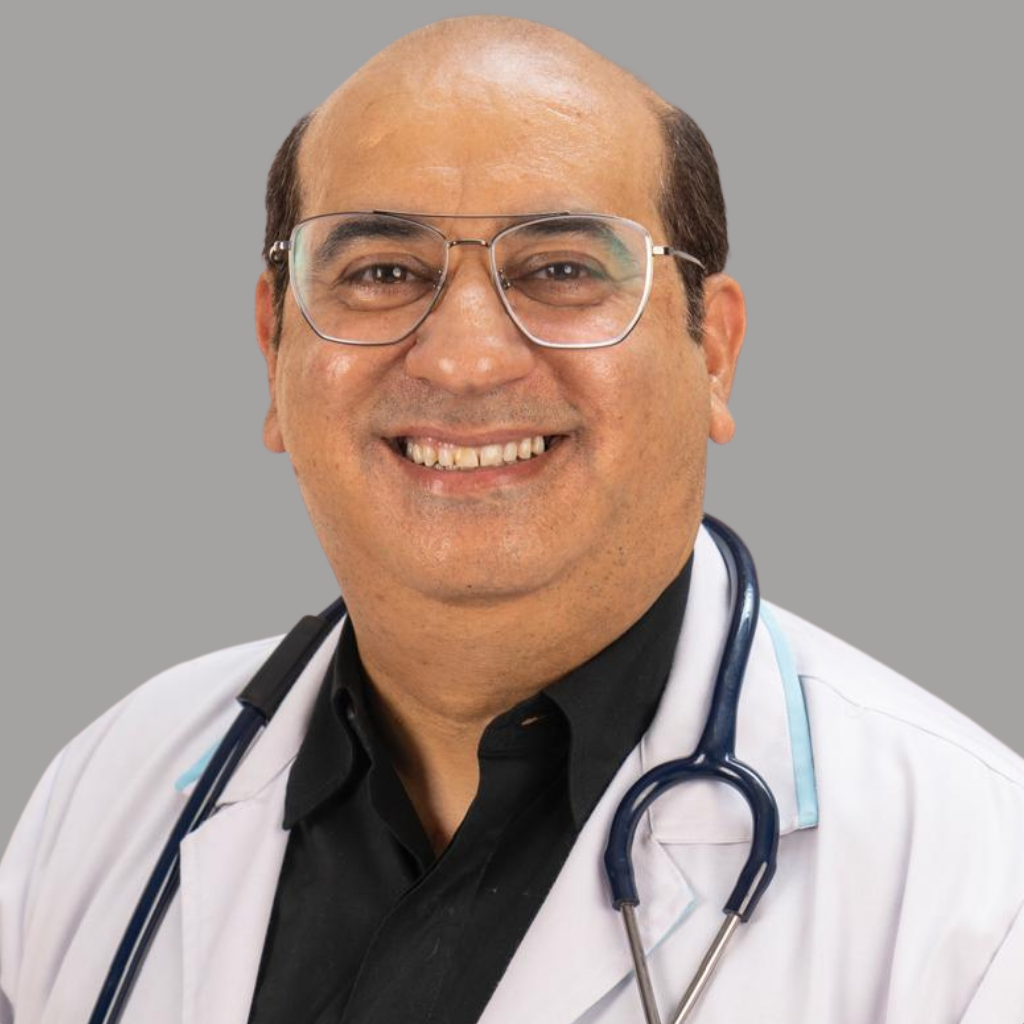
Dr. Yuvraj brings over 27 years of clinical and leadership experience. He contributes to the VivaVel Editorial and Peer Review Panel and is a strong advocate for ethical, evidence-based healthcare. Dr. Yuvraj ensures that VivaVel’s medical content stays accurate, authentic, and patient-centred. His extensive expertise in modern and traditional medicine, along with his Clinical Pharmacology background, helps him communicate complex scientific concepts in accessible ways. This ensures that VivaVel’s content remains trustworthy for readers and patients worldwide.


 BLK-MAX Super Specialty Hospital
 Pusa Road, Radha Soami Satsang, Rajendra Place New Delhi, 110005 India
 Accord Superspeciality Hospital
Budena Village, Sector 86, Faridabad, Haryana 121002, India
 PARAS Health, Gurugram
C-1, Sushant Lok- 1, Sector-43, Phase- I, Gurugram, Haryana, 122002
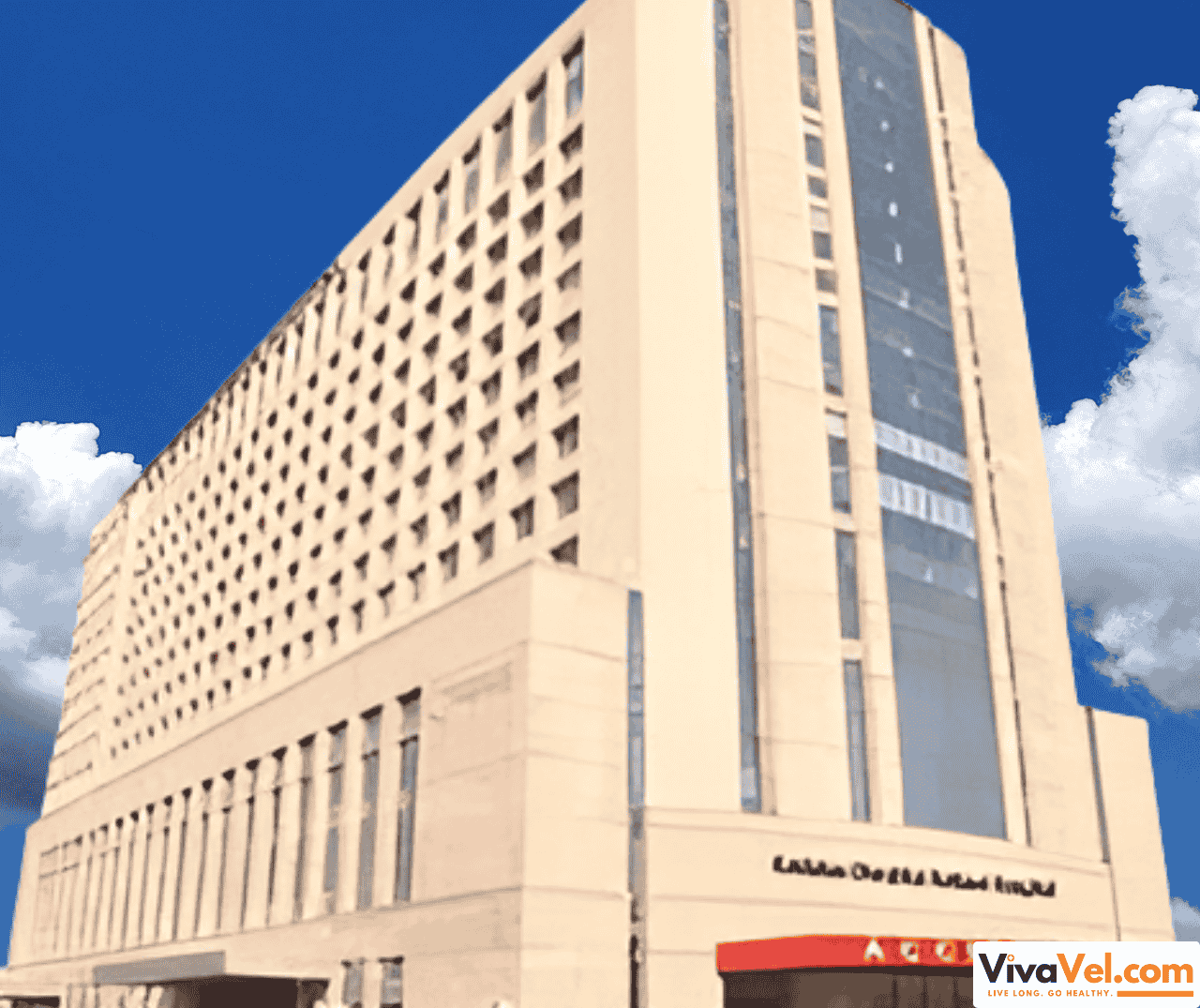 Kokilaben Dhirubhai Ambani Hospital
Rao Saheb, Achutrao Patwardhan Marg, Four Bungalows, Andheri West Mumbai, 400053 India
 Dr. Prabhat Kumar Bajpai
 Consultant
 Pediatrician
 21 Years Experience
 Accord Superspeciality Hospital
Dr. Prabhat Kumar Bajpai is a well-known pediatric care figure with 21 Years of experience in pediatrics and neonatology. He graduated from King George's Medical ...
 Book Consultation
 Dr. Raghuram MallaiahDirector & HOD
Pediatrician
25 Years ExperienceFortis La Femme
Dr. Raghuram MallaiahDirector & HOD
Pediatrician
25 Years ExperienceFortis La Femme
Dr. Raghuram Mallaiah is the Director of Neonatology and the Director/Founder of Amara Human Milk Bank at Fortis La Femme, GK Part 2, Delhi. With over 25 years of exp...
Book Consultation
 Dr. Anil Kumar SinghiHead - Pediatric Cardiology & Senior Int...
Pediatric & Congenital Heart Disease
18 Years ExperienceManipal Hospital (E.M. Bypass), Kolkata
Dr. Anil Kumar SinghiHead - Pediatric Cardiology & Senior Int...
Pediatric & Congenital Heart Disease
18 Years ExperienceManipal Hospital (E.M. Bypass), Kolkata
Dr. Anil Kumar Singhi is an experienced pediatrician with 18 years in the field, 12 of which have been explicitly dedicated to pediatric cardiology. He excels in diag...
Book Consultation
 Dr. Nidhi RawalConsultant
Pediatric Gastroenterologist
13 Years ExperienceMadhukar Rainbow Children's Hospital
Dr. Nidhi RawalConsultant
Pediatric Gastroenterologist
13 Years ExperienceMadhukar Rainbow Children's Hospital
Dr. Nidhi Rawal is a highly regarded Pediatric Gastroenterologist and Hepatologist based in New Delhi. She has 11 years of experience in her field. She specia...
Book Consultation
 Dr. Ashutosh MarwahDirector Pediatric Cardiology
Pediatrics | Pediatric Cardiac Sciences
20 Years ExperienceFortis Escorts Heart Institute
Dr. Ashutosh MarwahDirector Pediatric Cardiology
Pediatrics | Pediatric Cardiac Sciences
20 Years ExperienceFortis Escorts Heart Institute
Dr. Ashutosh Marwah completed his MBBS from Maulana Azad Medical College at the University of Delhi and his MD in Pediatrics from the same institution. He pursued an ...
Book Consultation
 Dr. Parvathi Unninayar IyerPrincipal Director Pediatrics
Pediatrics | Pediatric Cardiac Sciences
37 Years ExperienceFortis Escorts Heart Institute
Dr. Parvathi Unninayar IyerPrincipal Director Pediatrics
Pediatrics | Pediatric Cardiac Sciences
37 Years ExperienceFortis Escorts Heart Institute
Dr. Parvathi U. Iyer is the Principal Director of Pediatric Cardiac Intensive Care at the Fortis Escorts Heart Institute (FEHI) in New Delhi, which hosts one of India's b...
Book Consultation
Treatment Plan & Cost within 2 days















 Breast Cancer
 University Hospital Düsseldorf (UKD)
 Dr. Ashu Kumar Jain