Pediatric Hip Dysplasia, also called Developmental Dysplasia of the Hip (DDH), is a condition in which a baby’s hip joint does not develop properly, causing the bones to fit together incorrectly. This malformation can range from mild instability, where the hip is slightly loose, to a complete dislocation, where the femoral head (top of the thigh bone) does not sit in the hip socket at all. DDH may affect one or both hips and is more common in females, first-born children, and those delivered in a breech position. Without treatment, DDH can cause pain, difficulty walking, and early arthritis due to abnormal joint wear and tear. Early detection, usually through physical exams and ultrasound imaging, is essential for effective intervention. Treatment options depend on age and severity, including methods such as the Pavlik harness for infants, which guides the hip into proper alignment, and surgery for more severe cases. With timely treatment, most children with DDH can develop normal hip function and lead active, healthy lives.
 In infants, hip dysplasia may not always present obvious symptoms, but parents or doctors might notice:
Uneven skin folds on the thighs or buttocks
Legs of unequal lengths
Limited movement or flexibility in one leg compared to the other
Audible “click” or “pop” sounds during hip movements
A limp or waddle-like walk may develop in older children if the condition remains untreated.
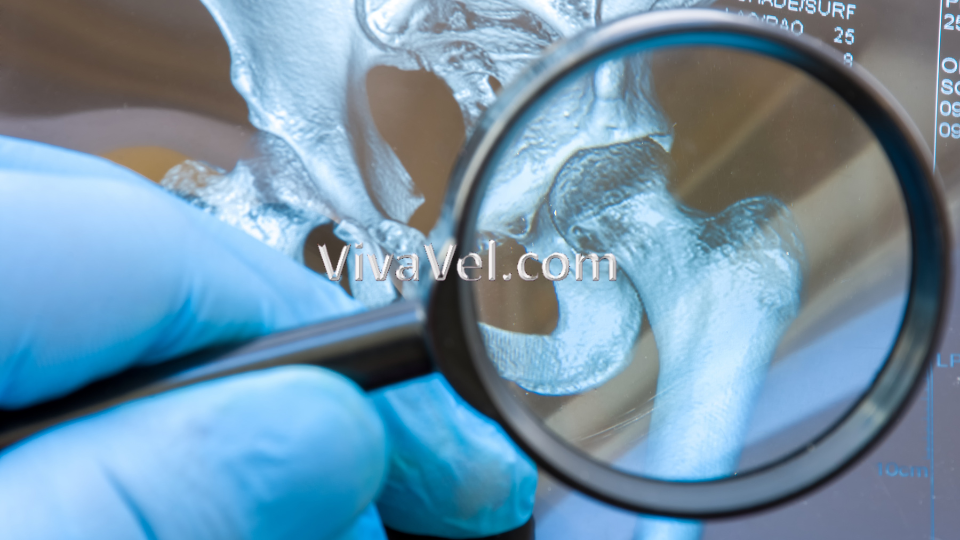
The exact cause of pediatric hip dysplasia isn’t always clear, but it’s associated with several factors:
Family History: If one or both parents have hip dysplasia, their children are at increased risk.
Position in the Womb: Babies in breech (feet-first) position or those with limited movement space in the womb (e.g., firstborns) may be more susceptible to hip problems.
Hormones: Maternal hormones can sometimes loosen the baby’s ligaments, affecting joint stability.
Gender: Girls are more likely than boys to develop hip dysplasia.
Early detection is essential for effective treatment. Seek medical attention if:
You notice any unevenness in your child’s leg lengths or hip movement.
A limp or waddle is observed as they begin walking.
Any unusual clicking or popping sounds come from the hip area.
You have a family history of hip dysplasia.
Family History: Having parents or siblings with hip dysplasia increases the risk. Gender: Girls are about four times more likely than boys to develop hip dysplasia.
Breech Position: Babies born in the breech position are more vulnerable.
Firstborn Status: Firstborns face a slightly higher risk due to potentially tighter space in the womb.
Multiple Births: Twins or triplets may have limited space at birth, leading to hip dysplasia.
Several tests can confirm pediatric hip dysplasia:
Physical Exam: Doctors check for abnormal hip movements, such as the Ortolani and Barlow tests in newborns.
Ultrasound: This imaging test helps visualize hip joint alignment in infants younger than six months.
X-ray: For older children, an X-ray can provide a clear image of the bones to identify any dislocation or misalignment.
Do’s:
Encourage regular check-ups and screenings, especially if there’s a family history.
Follow the doctor’s instructions for wearing braces or harnesses.
Keep your child active with doctor-approved exercises post-treatment.
Don’ts:
Avoid swaddling or carrying your baby in ways that restrict hip movement.
Don’t skip follow-up appointments or physical therapy sessions.
Don’t delay consulting a doctor if you notice any hip instability signs.
Disclaimer:
Our medical content authors have diligently gathered and synthesized information on this topic to offer valuable insights to our readers. Drawing from a range of reputable medical journals and health resources, this content aims to enhance understanding of the subject. It's essential to remember that while this information is informative, it should not replace personalized consultation or treatment from a qualified healthcare professional. For further details, please refer to our Editorial Policy.
For this topic, our authors used some of the following resources:
Cleveland Clinic | Hip Dysplasia: Symptoms, Causes & Treatment
National Institutes of Health (.gov) | Developmental Dysplasia of the Hip
International Hip Dysplasia Institute | Infant & Child - International Hip Dysplasia
.png)
Saba holds a Master’s degree in Pharmacy from Jamia Hamdard University, New Delhi and possesses a deep understanding of medical subjects. She is an experienced teacher and is passionate about health education. She has a remarkable talent for transforming complex medical concepts into engaging, accurate, and impactful content to inspire healthier living. With a deep scientific understanding and thorough research, Saba consistently supports her writings with the latest publications, ensuring accuracy and relevance.
Dr. Yuvraj brings over 27 years of clinical and leadership experience. He contributes to the VivaVel Editorial and Peer Review Panel and is a strong advocate for ethical, evidence-based healthcare. Dr. Yuvraj ensures that VivaVel’s medical content stays accurate, authentic, and patient-centred. His extensive expertise in modern and traditional medicine, along with his Clinical Pharmacology background, helps him communicate complex scientific concepts in accessible ways. This ensures that VivaVel’s content remains trustworthy for readers and patients worldwide.



 BLK-MAX Super Specialty Hospital
 Pusa Road, Radha Soami Satsang, Rajendra Place New Delhi, 110005 India
 Accord Superspeciality Hospital
Budena Village, Sector 86, Faridabad, Haryana 121002, India
 PARAS Health, Gurugram
C-1, Sushant Lok- 1, Sector-43, Phase- I, Gurugram, Haryana, 122002
 Kokilaben Dhirubhai Ambani Hospital
Rao Saheb, Achutrao Patwardhan Marg, Four Bungalows, Andheri West Mumbai, 400053 India
 Dr. Prabhat Kumar Bajpai
 Consultant
 Pediatrician
 21 Years Experience
 Accord Superspeciality Hospital
Dr. Prabhat Kumar Bajpai is a well-known pediatric care figure with 21 Years of experience in pediatrics and neonatology. He graduated from King George's Medical ...
 Book Consultation
 Dr. Raghuram MallaiahDirector & HOD
Pediatrician
25 Years ExperienceFortis La Femme
Dr. Raghuram MallaiahDirector & HOD
Pediatrician
25 Years ExperienceFortis La Femme
Dr. Raghuram Mallaiah is the Director of Neonatology and the Director/Founder of Amara Human Milk Bank at Fortis La Femme, GK Part 2, Delhi. With over 25 years of exp...
Book Consultation
 Dr. Anil Kumar SinghiHead - Pediatric Cardiology & Senior Int...
Pediatric & Congenital Heart Disease
18 Years ExperienceManipal Hospital (E.M. Bypass), Kolkata
Dr. Anil Kumar SinghiHead - Pediatric Cardiology & Senior Int...
Pediatric & Congenital Heart Disease
18 Years ExperienceManipal Hospital (E.M. Bypass), Kolkata
Dr. Anil Kumar Singhi is an experienced pediatrician with 18 years in the field, 12 of which have been explicitly dedicated to pediatric cardiology. He excels in diag...
Book Consultation
 Dr. Nidhi RawalConsultant
Pediatric Gastroenterologist
13 Years ExperienceMadhukar Rainbow Children's Hospital
Dr. Nidhi RawalConsultant
Pediatric Gastroenterologist
13 Years ExperienceMadhukar Rainbow Children's Hospital
Dr. Nidhi Rawal is a highly regarded Pediatric Gastroenterologist and Hepatologist based in New Delhi. She has 11 years of experience in her field. She specia...
Book Consultation
 Dr. Ashutosh MarwahDirector Pediatric Cardiology
Pediatrics | Pediatric Cardiac Sciences
20 Years ExperienceFortis Escorts Heart Institute
Dr. Ashutosh MarwahDirector Pediatric Cardiology
Pediatrics | Pediatric Cardiac Sciences
20 Years ExperienceFortis Escorts Heart Institute
Dr. Ashutosh Marwah completed his MBBS from Maulana Azad Medical College at the University of Delhi and his MD in Pediatrics from the same institution. He pursued an ...
Book Consultation
 Dr. Parvathi Unninayar IyerPrincipal Director Pediatrics
Pediatrics | Pediatric Cardiac Sciences
37 Years ExperienceFortis Escorts Heart Institute
Dr. Parvathi Unninayar IyerPrincipal Director Pediatrics
Pediatrics | Pediatric Cardiac Sciences
37 Years ExperienceFortis Escorts Heart Institute
Dr. Parvathi U. Iyer is the Principal Director of Pediatric Cardiac Intensive Care at the Fortis Escorts Heart Institute (FEHI) in New Delhi, which hosts one of India's b...
Book Consultation
Treatment Plan & Cost within 2 days















 IVF Treatments
 Sterling Hospital, Ahmedabad
 Dr. Aram Chusid