Epilepsy is a chronic neurological disorder characterized by recurrent seizures caused by abnormal electrical activity in the brain. These seizures can appear in different forms, from brief lapses in attention to severe convulsions, affecting a person's awareness, movement, and behaviour. The frequency and severity of seizures vary significantly among individuals and can be triggered by factors such as stress, lack of sleep, or flashing lights. While epilepsy can occur at any age, it is most often diagnosed in childhood and late adulthood, with some types showing specific symptoms during these stages of life. The underlying causes of epilepsy may include genetic factors, head injuries, infections, and developmental disorders. Managing this condition usually involves medication, lifestyle changes, and, in some cases, surgical procedures. Despite the challenges it presents, many people with epilepsy live full and active lives with proper treatment and support.
 Seizures can differ significantly in type and severity. Common signs and symptoms include:
Convulsions: Uncontrolled shaking or jerking movements of the body.
Loss of Consciousness: A person may become unresponsive during a seizure.
Staring Spells: A brief lapse in attention where the person may seem to be staring into space.
Aura: Some individuals experience unusual sensations, emotions, or hallucinations before a seizure occurs, known as an aura.
Confusion: After a seizure, a person may experience transient confusion or disorientation.
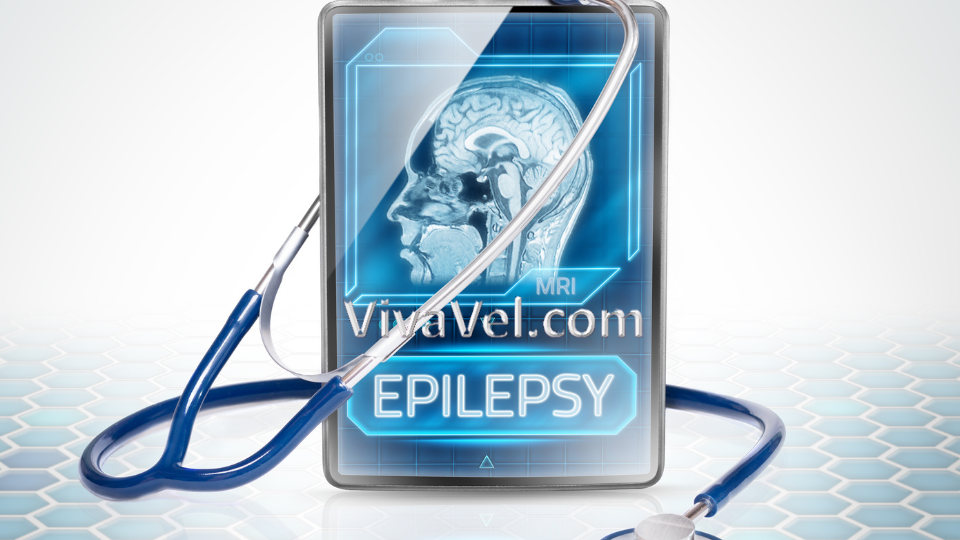
The exact cause of epilepsy is often unknown, but several factors may contribute:
Genetic Factors: Some types of epilepsy are inherited.
Brain Injury: Trauma from accidents, strokes, or infections can lead to epilepsy.
Developmental Disorders: Conditions like autism or neurofibromatosis may increase the risk.
Brain Structure Abnormalities: Abnormalities in brain structure may predispose individuals to seizures.
If you suspect someone is having a seizure, it's crucial to seek medical attention, especially if:
The seizure lasts longer than five minutes.
The person has multiple seizures in a row.
The person is injured during the seizure.
The person does not regain consciousness after the seizure.
Several factors may increase the likelihood of developing epilepsy:
Age: Epilepsy is more common in children and older adults.
Family History: A family history of seizures or epilepsy can increase risk.
Head Injuries: A history of traumatic brain injuries can lead to epilepsy.
Certain Medical Conditions: Conditions like stroke, brain tumours, or infections can be risk factors.
Diagnosing epilepsy usually involves several tests, such as:
Neurological Exam: A doctor will evaluate reflexes, coordination, and mental function.
Electroencephalogram (EEG): This test records electrical activity in the brain and can help detect seizure activity.
Imaging Tests: MRI or CT scans can identify structural abnormalities in the brain.
Do's:
Stay Calm: Remain composed during a seizure.
Protect the Person: Move sharp or dangerous objects away from the individual.
Time of the Seizure: Note the duration to provide information to medical professionals.
Stay with the Person: Offer reassurance after the seizure ends.
Don'ts:
Do Not Restrain: Avoid holding the person down during a seizure.
Do Not Put Anything in Their Mouth: This can cause injury or choking.
Do Not Leave Them Alone: Stay nearby until they regain consciousness and are safe.
Disclaimer:
Our medical content authors have diligently gathered and synthesized information on this topic to offer valuable insights to our readers. Drawing from a range of reputable medical journals and health resources, this content aims to enhance understanding of the subject. It's essential to remember that while this information is informative, it should not replace personalized consultation or treatment from a qualified healthcare professional. For further details, please refer to our Editorial Policy.
For this topic, our authors used some of the following resources:
Mayo Clinic | Epilepsy - Symptoms and causes
Cleveland Clinic | Epilepsy: What It Is, Causes, Symptoms & Treatment
World Health Organization (WHO) | Epilepsy
National Institute of Neurological Disorders and Stroke (.gov) | Epilepsy and Seizures
.png)
Saba holds a Master’s degree in Pharmacy from Jamia Hamdard University, New Delhi and possesses a deep understanding of medical subjects. She is an experienced teacher and is passionate about health education. She has a remarkable talent for transforming complex medical concepts into engaging, accurate, and impactful content to inspire healthier living. With a deep scientific understanding and thorough research, Saba consistently supports her writings with the latest publications, ensuring accuracy and relevance.
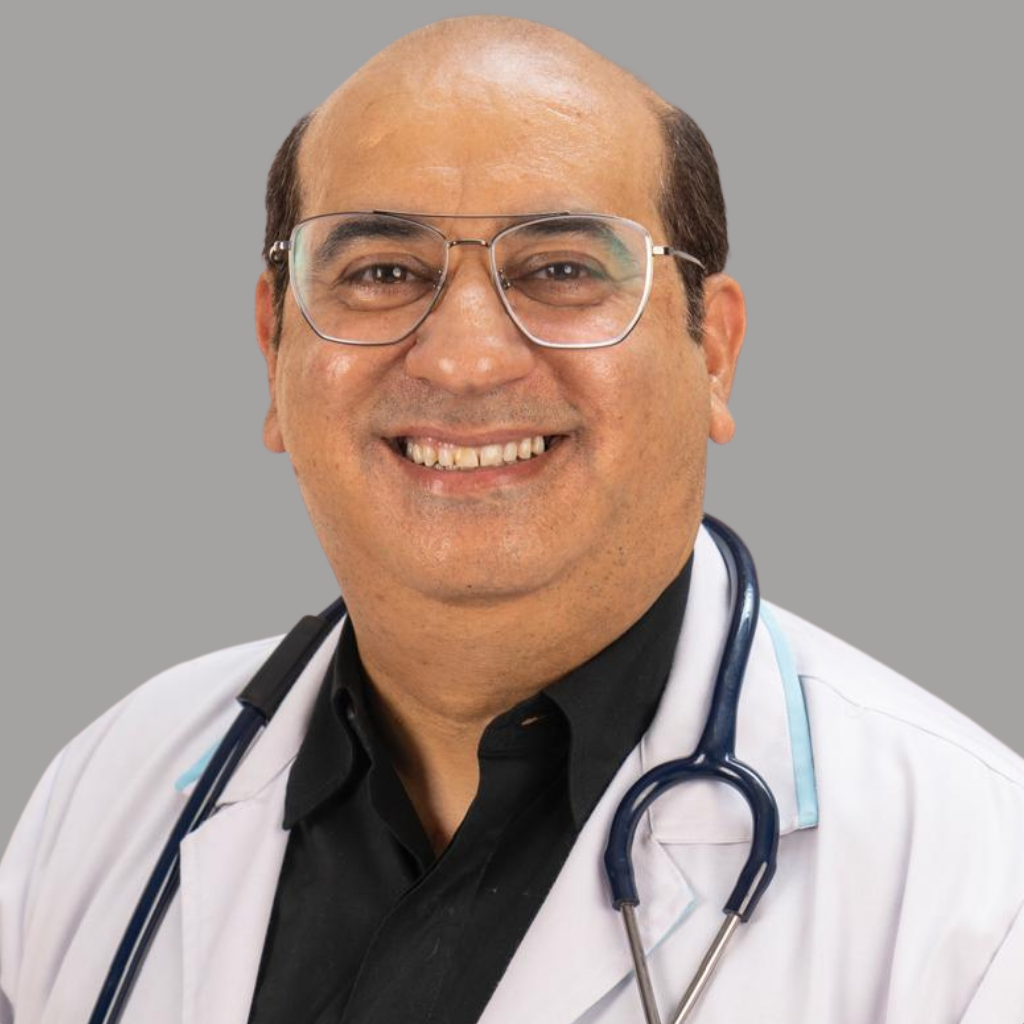
Dr. Yuvraj brings over 27 years of clinical and leadership experience. He contributes to the VivaVel Editorial and Peer Review Panel and is a strong advocate for ethical, evidence-based healthcare. Dr. Yuvraj ensures that VivaVel’s medical content stays accurate, authentic, and patient-centred. His extensive expertise in modern and traditional medicine, along with his Clinical Pharmacology background, helps him communicate complex scientific concepts in accessible ways. This ensures that VivaVel’s content remains trustworthy for readers and patients worldwide.



 BLK-MAX Super Specialty Hospital
 Pusa Road, Radha Soami Satsang, Rajendra Place New Delhi, 110005 India
 Accord Superspeciality Hospital
Budena Village, Sector 86, Faridabad, Haryana 121002, India
 PARAS Health, Gurugram
C-1, Sushant Lok- 1, Sector-43, Phase- I, Gurugram, Haryana, 122002
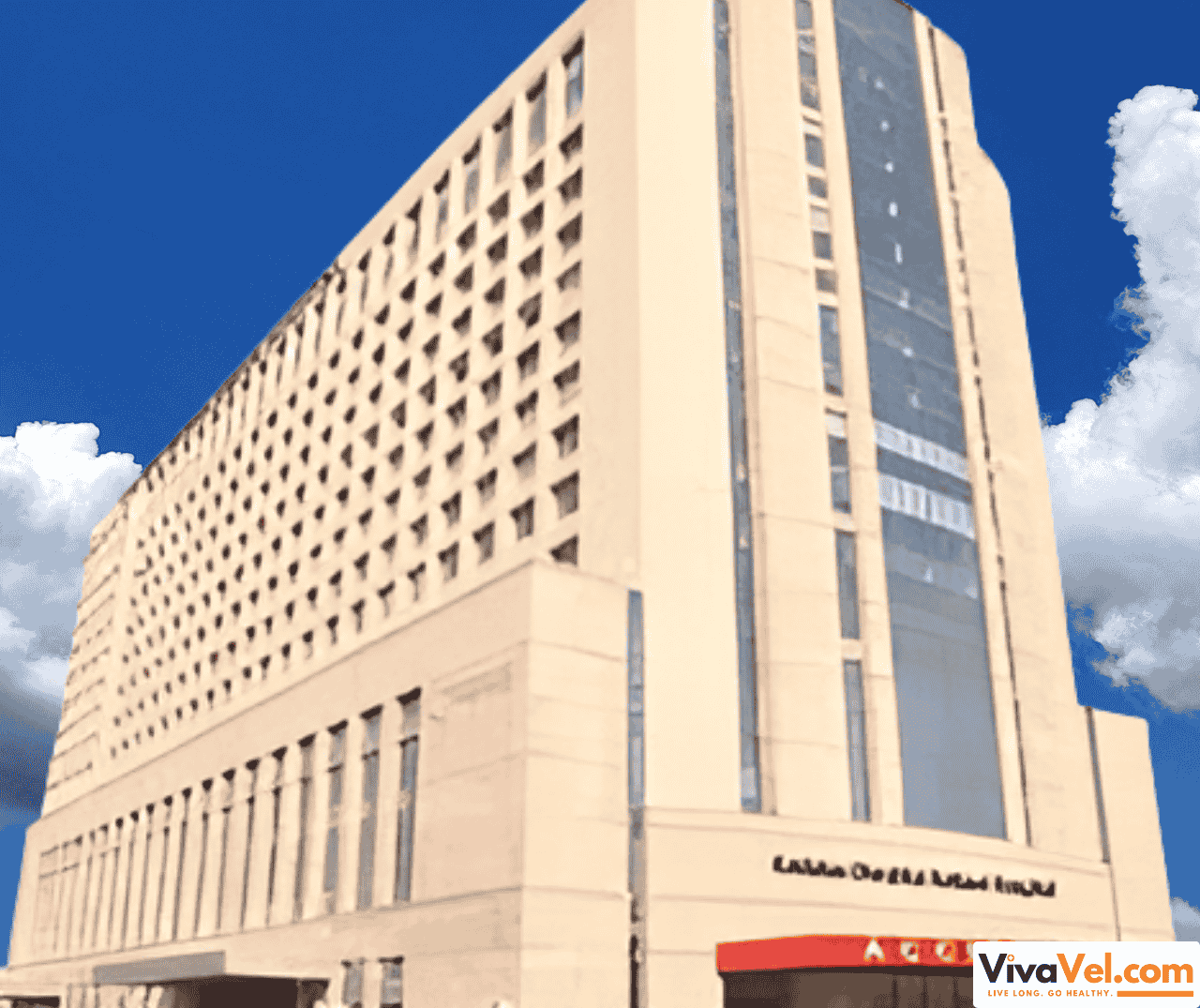 Kokilaben Dhirubhai Ambani Hospital
Rao Saheb, Achutrao Patwardhan Marg, Four Bungalows, Andheri West Mumbai, 400053 India
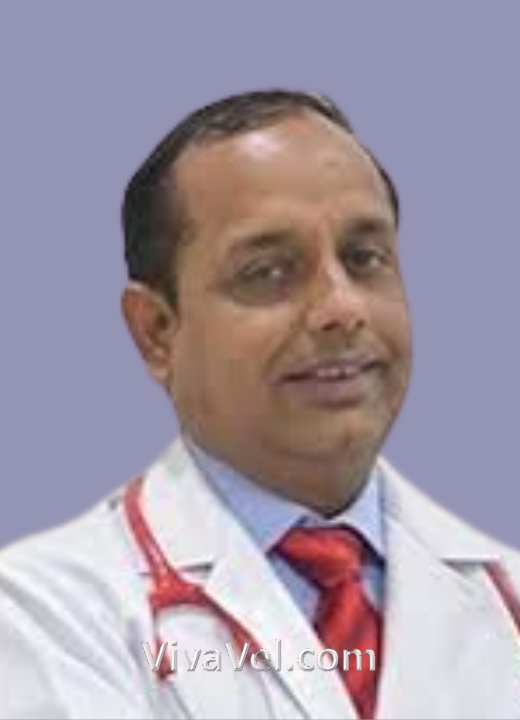
 Dr. Prabhat Kumar Bajpai
 Consultant
 Pediatrician
 21 Years Experience
 Accord Superspeciality Hospital
Dr. Prabhat Kumar Bajpai is a well-known pediatric care figure with 21 Years of experience in pediatrics and neonatology. He graduated from King George's Medical ...
 Book Consultation
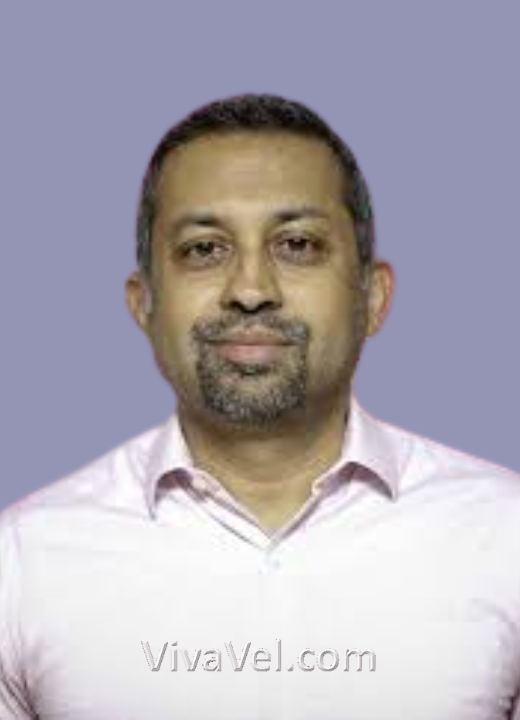 Dr. Raghuram MallaiahDirector & HOD
Pediatrician
25 Years ExperienceFortis La Femme
Dr. Raghuram MallaiahDirector & HOD
Pediatrician
25 Years ExperienceFortis La Femme
Dr. Raghuram Mallaiah is the Director of Neonatology and the Director/Founder of Amara Human Milk Bank at Fortis La Femme, GK Part 2, Delhi. With over 25 years of exp...
Book Consultation
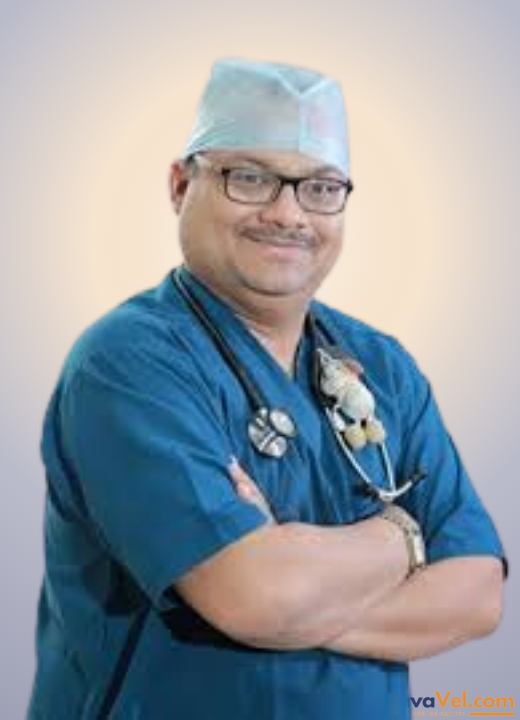 Dr. Anil Kumar SinghiHead - Pediatric Cardiology & Senior Int...
Pediatric & Congenital Heart Disease
18 Years ExperienceManipal Hospital (E.M. Bypass), Kolkata
Dr. Anil Kumar SinghiHead - Pediatric Cardiology & Senior Int...
Pediatric & Congenital Heart Disease
18 Years ExperienceManipal Hospital (E.M. Bypass), Kolkata
Dr. Anil Kumar Singhi is an experienced pediatrician with 18 years in the field, 12 of which have been explicitly dedicated to pediatric cardiology. He excels in diag...
Book Consultation
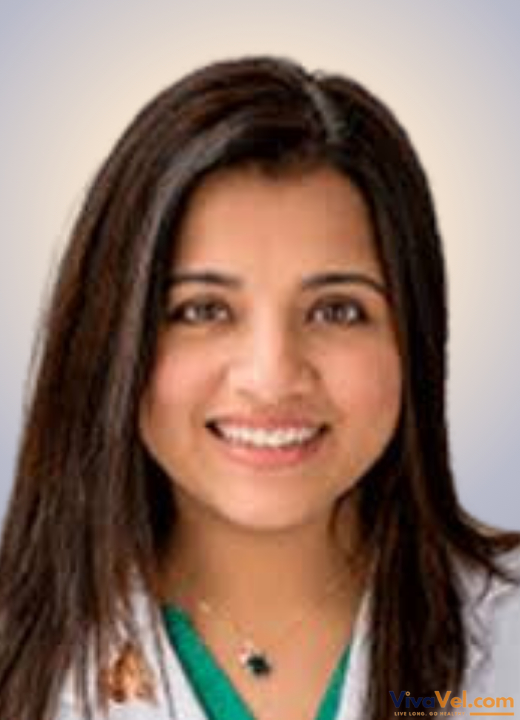 Dr. Nidhi RawalConsultant
Pediatric Gastroenterologist
13 Years ExperienceMadhukar Rainbow Children's Hospital
Dr. Nidhi RawalConsultant
Pediatric Gastroenterologist
13 Years ExperienceMadhukar Rainbow Children's Hospital
Dr. Nidhi Rawal is a highly regarded Pediatric Gastroenterologist and Hepatologist based in New Delhi. She has 11 years of experience in her field. She specia...
Book Consultation
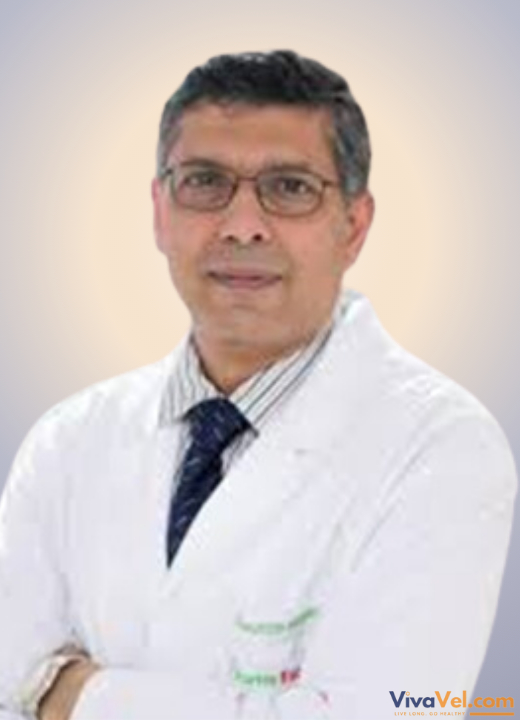 Dr. Ashutosh MarwahDirector Pediatric Cardiology
Pediatrics | Pediatric Cardiac Sciences
20 Years ExperienceFortis Escorts Heart Institute
Dr. Ashutosh MarwahDirector Pediatric Cardiology
Pediatrics | Pediatric Cardiac Sciences
20 Years ExperienceFortis Escorts Heart Institute
Dr. Ashutosh Marwah completed his MBBS from Maulana Azad Medical College at the University of Delhi and his MD in Pediatrics from the same institution. He pursued an ...
Book Consultation
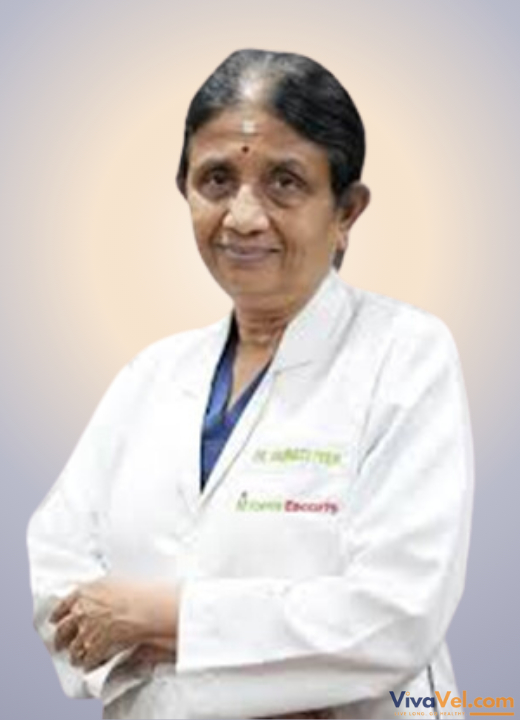 Dr. Parvathi Unninayar IyerPrincipal Director Pediatrics
Pediatrics | Pediatric Cardiac Sciences
37 Years ExperienceFortis Escorts Heart Institute
Dr. Parvathi Unninayar IyerPrincipal Director Pediatrics
Pediatrics | Pediatric Cardiac Sciences
37 Years ExperienceFortis Escorts Heart Institute
Dr. Parvathi U. Iyer is the Principal Director of Pediatric Cardiac Intensive Care at the Fortis Escorts Heart Institute (FEHI) in New Delhi, which hosts one of India's b...
Book Consultation
Treatment Plan & Cost within 2 days














 Kidney Transplant
 Max Super Speciality Hospital, Vaishali
 Dr. Aram Chusid