The Glenn Procedure, or bidirectional Glenn shunt, is a palliative heart surgery performed mainly in young children with complex congenital heart defects, especially those with a single functional ventricle. In conditions where only one ventricle can pump blood effectively, this procedure helps improve oxygenation by rerouting blood flow. The surgeon connects the superior vena cava (SVC), which carries oxygen-poor blood from the upper body, directly to the pulmonary arteries, bypassing the heart entirely. This allows blood to flow directly to the lungs, where it becomes oxygenated without passing through the heart's pumping chambers. The Glenn shunt reduces the workload on the single ventricle by bypassing its involvement in oxygenating blood from the upper body, making it more efficient. This procedure is often a staged intervention, usually following an initial Norwood procedure and before the Fontan procedure, which further improves blood flow as the child grows. The bidirectional Glenn procedure greatly enhances oxygenation and sets the stage for later surgeries aimed at maximizing circulation efficiency in patients with single-ventricle physiology.
 Before surgery, symptoms are usually related to poor blood flow and oxygenation, which may include:
Cyanosis (bluish tint to the skin, lips, or nails)
Fatigue, especially during feeding or physical activity
Difficulty breathing or rapid breathing
Poor weight gain and growth in infants
Clubbing (widening and rounding of fingers and toes)

The Glenn Procedure is typically required for children with congenital heart defects that affect the normal flow of blood through the heart. Common heart defects leading to the Glenn Procedure include:
Hypoplastic Left Heart Syndrome (HLHS)
Tricuspid Atresia
Pulmonary Atresia
Other complex heart defects with a single ventricle
These defects mean the child's heart is unable to circulate oxygenated blood efficiently, so an intervention is needed to improve oxygen delivery to the body.
Symptoms indicating potential complications include:
Increasing cyanosis (worsening blue colouring)
Difficulty breathing or breathing that worsens
Excessive fatigue or lethargy
Signs of infection (fever, swelling at the surgical site)
Poor appetite, especially in infants and young children
Irregular heartbeats or palpitations
If any of these symptoms appear after the Glenn Procedure or at any other time, prompt medical attention is essential.
While the Glenn Procedure is relatively safe, certain factors can increase the risk of complications:
Premature birth or low birth weight
Presence of other medical conditions or genetic disorders
Lung abnormalities, which can affect blood flow to the lungs
Previous surgeries or medical complications related to heart defects
The need for the Glenn Procedure is often identified through imaging and diagnostic tests that evaluate the heart's structure and function. Common tests include:
Echocardiogram (Echo): An ultrasound of the heart to assess blood flow and anatomy
Cardiac MRI: A detailed scan that provides a clear picture of the heart's structure
Electrocardiogram (ECG): Records the heart's electrical activity to check for irregular rhythms
Oxygen Saturation Test: Measures how well oxygen is circulating through the blood
Chest X-ray: Examines the size and shape of the heart and surrounding areas
Do's:
Follow all post-operative instructions carefully, including medication schedules.
Keep the incision area clean and dry.
Allow for adequate rest and gradual return to activities as advised.
Maintain regular check-ups with the cardiologist.
Report any signs of infection or changes in symptoms.
Don'ts:
Avoid carrying heavy objects or activities that can put a strain on the chest.
Do not ignore symptoms of difficulty breathing, increased cyanosis, or palpitations.
Avoid exposing the child to respiratory infections, as these can increase complications.
Don't skip follow-up appointments; ongoing monitoring is crucial.
Disclaimer:
Our medical content authors have diligently gathered and synthesized information on this topic to offer valuable insights to our readers. Drawing from a range of reputable medical journals and health resources, this content aims to enhance understanding of the subject. It's essential to remember that while this information is informative, it should not replace personalized consultation or treatment from a qualified healthcare professional. For further details, please refer to our Editorial Policy.
For this topic, our authors used some of the following resources:
Cleveland Clinic | Glenn Procedure: Surgery and Outcomes
National Institutes of Health (.gov) | Bidirectional Glenn Procedure or Hemi-Fontan
Journal of Cardiac Critical Care TSS | Operative Steps for Bidirectional Glenn Procedure
.png)
Saba holds a Master’s degree in Pharmacy from Jamia Hamdard University, New Delhi and possesses a deep understanding of medical subjects. She is an experienced teacher and is passionate about health education. She has a remarkable talent for transforming complex medical concepts into engaging, accurate, and impactful content to inspire healthier living. With a deep scientific understanding and thorough research, Saba consistently supports her writings with the latest publications, ensuring accuracy and relevance.
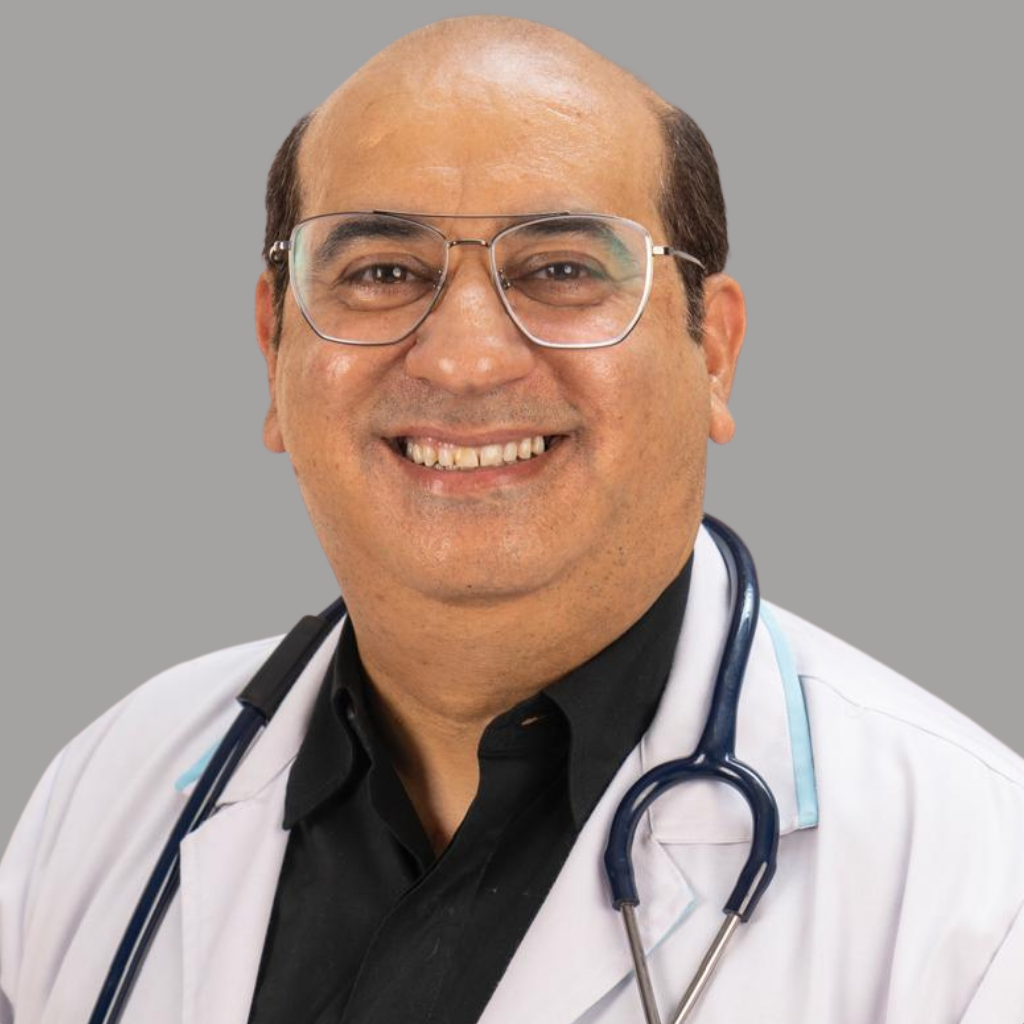
Dr. Yuvraj brings over 27 years of clinical and leadership experience. He contributes to the VivaVel Editorial and Peer Review Panel and is a strong advocate for ethical, evidence-based healthcare. Dr. Yuvraj ensures that VivaVel’s medical content stays accurate, authentic, and patient-centred. His extensive expertise in modern and traditional medicine, along with his Clinical Pharmacology background, helps him communicate complex scientific concepts in accessible ways. This ensures that VivaVel’s content remains trustworthy for readers and patients worldwide.


 BLK-MAX Super Specialty Hospital
 Pusa Road, Radha Soami Satsang, Rajendra Place New Delhi, 110005 India
 Accord Superspeciality Hospital
Budena Village, Sector 86, Faridabad, Haryana 121002, India
 PARAS Health, Gurugram
C-1, Sushant Lok- 1, Sector-43, Phase- I, Gurugram, Haryana, 122002
 Kokilaben Dhirubhai Ambani Hospital
Rao Saheb, Achutrao Patwardhan Marg, Four Bungalows, Andheri West Mumbai, 400053 India
 Dr. Prabhat Kumar Bajpai
 Consultant
 Pediatrician
 21 Years Experience
 Accord Superspeciality Hospital
Dr. Prabhat Kumar Bajpai is a well-known pediatric care figure with 21 Years of experience in pediatrics and neonatology. He graduated from King George's Medical ...
 Book Consultation
 Dr. Raghuram MallaiahDirector & HOD
Pediatrician
25 Years ExperienceFortis La Femme
Dr. Raghuram MallaiahDirector & HOD
Pediatrician
25 Years ExperienceFortis La Femme
Dr. Raghuram Mallaiah is the Director of Neonatology and the Director/Founder of Amara Human Milk Bank at Fortis La Femme, GK Part 2, Delhi. With over 25 years of exp...
Book Consultation
 Dr. Anil Kumar SinghiHead - Pediatric Cardiology & Senior Int...
Pediatric & Congenital Heart Disease
18 Years ExperienceManipal Hospital (E.M. Bypass), Kolkata
Dr. Anil Kumar SinghiHead - Pediatric Cardiology & Senior Int...
Pediatric & Congenital Heart Disease
18 Years ExperienceManipal Hospital (E.M. Bypass), Kolkata
Dr. Anil Kumar Singhi is an experienced pediatrician with 18 years in the field, 12 of which have been explicitly dedicated to pediatric cardiology. He excels in diag...
Book Consultation
 Dr. Nidhi RawalConsultant
Pediatric Gastroenterologist
13 Years ExperienceMadhukar Rainbow Children's Hospital
Dr. Nidhi RawalConsultant
Pediatric Gastroenterologist
13 Years ExperienceMadhukar Rainbow Children's Hospital
Dr. Nidhi Rawal is a highly regarded Pediatric Gastroenterologist and Hepatologist based in New Delhi. She has 11 years of experience in her field. She specia...
Book Consultation
 Dr. Ashutosh MarwahDirector Pediatric Cardiology
Pediatrics | Pediatric Cardiac Sciences
20 Years ExperienceFortis Escorts Heart Institute
Dr. Ashutosh MarwahDirector Pediatric Cardiology
Pediatrics | Pediatric Cardiac Sciences
20 Years ExperienceFortis Escorts Heart Institute
Dr. Ashutosh Marwah completed his MBBS from Maulana Azad Medical College at the University of Delhi and his MD in Pediatrics from the same institution. He pursued an ...
Book Consultation
 Dr. Parvathi Unninayar IyerPrincipal Director Pediatrics
Pediatrics | Pediatric Cardiac Sciences
37 Years ExperienceFortis Escorts Heart Institute
Dr. Parvathi Unninayar IyerPrincipal Director Pediatrics
Pediatrics | Pediatric Cardiac Sciences
37 Years ExperienceFortis Escorts Heart Institute
Dr. Parvathi U. Iyer is the Principal Director of Pediatric Cardiac Intensive Care at the Fortis Escorts Heart Institute (FEHI) in New Delhi, which hosts one of India's b...
Book Consultation
Treatment Plan & Cost within 2 days















 Liver Transplant
 Manipal Hospital (Old Airport Road), Bengaluru
 Dr. Anjila Aneja