Hypospadias is a congenital condition in males where the urethral opening, instead of being at the tip of the penis, is located along its underside, which can range from near the base to just below the glans. The condition can affect urinary function by causing an abnormal urine stream and, in severe cases, may interfere with sexual health and reproduction due to penile curvature. The exact cause of hypospadias is not fully understood, but it is believed to involve a combination of genetic and environmental factors. Diagnosis is often made at birth through a physical examination, and treatment typically involves surgical repair, usually performed between 6 and 18 months of age. The surgical procedure, known as hypospadias repair, entails repositioning the urethral opening and, if necessary, correcting penile curvature to ensure proper function and appearance. Postoperative care includes monitoring for complications such as infection, fistula formation, or narrowing of the urethra. With successful treatment, most individuals can expect normal urinary and sexual function, significantly enhancing their quality of life.
 Common signs and symptoms include:
Abnormal Urethral Opening: The urethra opens along the underside of the penis, often in the midshaft or near the scrotum.
Downward Curvature of the Penis (Chordee): This curvature can make urination and, later, sexual activity difficult.
Spraying Urine Stream: Due to the abnormal location of the urethral opening, the urine stream may spray or be hard to control.
Hooded Appearance: The foreskin may appear uneven or hooded as it does not fully cover the tip of the penis.

The exact cause of hypospadias is unknown, but potential factors include:
Genetic Factors: Family history can raise the risk.
Hormonal Factors: Disruptions in male hormone levels during fetal development can affect urethral position.
Environmental Factors: Certain environmental exposures, such as smoking or medication use during pregnancy, may increase the risk.
If hypospadias is diagnosed at birth, usually during a routine physical exam, consult a pediatric urologist. Early diagnosis and prompt intervention, ideally before age 18 months, are crucial for better surgical results and fewer complications.
The following factors may increase the likelihood of a child being born with hypospadias:
Family History: Having immediate family members with hypospadias raises the risk.
Maternal Age Over 35: Risk increases slightly with maternal age.
Hormone Therapy: Using hormones or undergoing in vitro fertilization may elevate the risk.
Premature Birth: Preterm infants are more prone to hypospadias.
Hypospadias is usually identified during a newborn's physical exam, but further assessments may include:
Visual Examination: A urologist examines the position of the urethral opening and curvature.
Ultrasound: Used in more severe cases to check for other abnormalities.
Genetic Testing: Rarely, genetic testing may be performed if other associated congenital anomalies are present.
Do's:
Follow the urologist's care instructions carefully.
Keep the surgical site clean and dry.
Ensure the child drinks adequate fluids to prevent urinary issues.
Observe for any signs of infection, like swelling, redness, or fever.
Don'ts:
Avoid rough play or activities that might harm the surgical site.
Do not bathe the child until cleared by the doctor; sponge baths are often recommended.
Avoid using any non-prescribed creams or ointments.
Disclaimer:
Our medical content authors have diligently gathered and synthesized information on this topic to offer valuable insights to our readers. Drawing from a range of reputable medical journals and health resources, this content aims to enhance understanding of the subject. It's essential to remember that while this information is informative, it should not replace personalized consultation or treatment from a qualified healthcare professional. For further details, please refer to our Editorial Policy.
For this topic, our authors used some of the following resources:
Cleveland Clinic | Hypospadias Repair: Purpose, Procedure, Risks & Recovery
National Institutes of Health (.gov) | Hypospadias Repair: An Overview of the Actual Techniques
National Institutes of Health (.gov) | Current hypospadias management
.png)
Saba holds a Master’s degree in Pharmacy from Jamia Hamdard University, New Delhi and possesses a deep understanding of medical subjects. She is an experienced teacher and is passionate about health education. She has a remarkable talent for transforming complex medical concepts into engaging, accurate, and impactful content to inspire healthier living. With a deep scientific understanding and thorough research, Saba consistently supports her writings with the latest publications, ensuring accuracy and relevance.
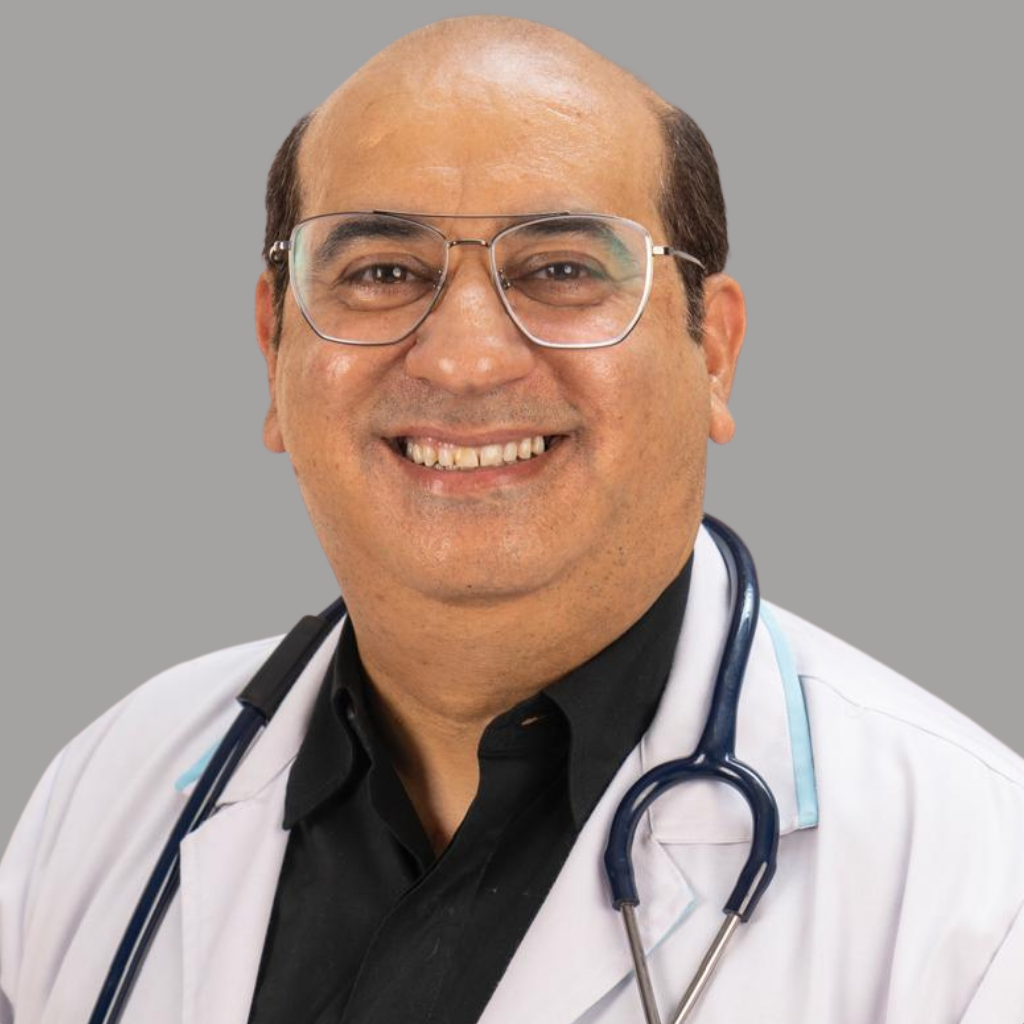
Dr. Yuvraj brings over 27 years of clinical and leadership experience. He contributes to the VivaVel Editorial and Peer Review Panel and is a strong advocate for ethical, evidence-based healthcare. Dr. Yuvraj ensures that VivaVel’s medical content stays accurate, authentic, and patient-centred. His extensive expertise in modern and traditional medicine, along with his Clinical Pharmacology background, helps him communicate complex scientific concepts in accessible ways. This ensures that VivaVel’s content remains trustworthy for readers and patients worldwide.




 BLK-MAX Super Specialty Hospital
 Pusa Road, Radha Soami Satsang, Rajendra Place New Delhi, 110005 India
 Accord Superspeciality Hospital
Budena Village, Sector 86, Faridabad, Haryana 121002, India
 PARAS Health, Gurugram
C-1, Sushant Lok- 1, Sector-43, Phase- I, Gurugram, Haryana, 122002
 Kokilaben Dhirubhai Ambani Hospital
Rao Saheb, Achutrao Patwardhan Marg, Four Bungalows, Andheri West Mumbai, 400053 India
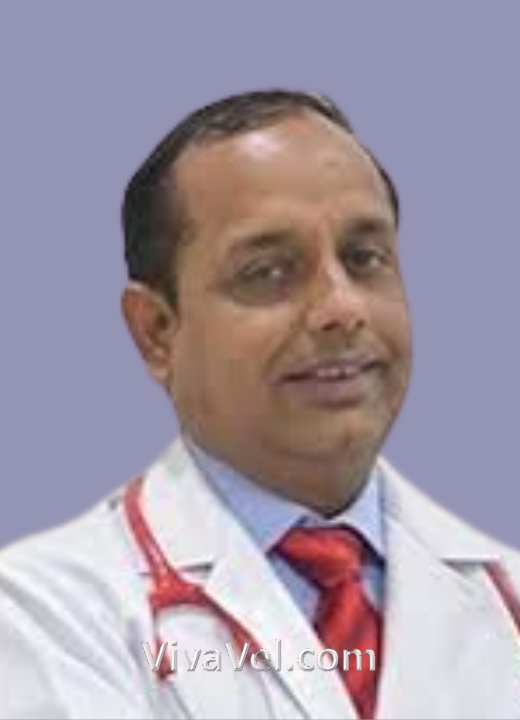
 Dr. Prabhat Kumar Bajpai
 Consultant
 Pediatrician
 21 Years Experience
 Accord Superspeciality Hospital
Dr. Prabhat Kumar Bajpai is a well-known pediatric care figure with 21 Years of experience in pediatrics and neonatology. He graduated from King George's Medical ...
 Book Consultation
 Dr. Raghuram MallaiahDirector & HOD
Pediatrician
25 Years ExperienceFortis La Femme
Dr. Raghuram MallaiahDirector & HOD
Pediatrician
25 Years ExperienceFortis La Femme
Dr. Raghuram Mallaiah is the Director of Neonatology and the Director/Founder of Amara Human Milk Bank at Fortis La Femme, GK Part 2, Delhi. With over 25 years of exp...
Book Consultation
 Dr. Anil Kumar SinghiHead - Pediatric Cardiology & Senior Int...
Pediatric & Congenital Heart Disease
18 Years ExperienceManipal Hospital (E.M. Bypass), Kolkata
Dr. Anil Kumar SinghiHead - Pediatric Cardiology & Senior Int...
Pediatric & Congenital Heart Disease
18 Years ExperienceManipal Hospital (E.M. Bypass), Kolkata
Dr. Anil Kumar Singhi is an experienced pediatrician with 18 years in the field, 12 of which have been explicitly dedicated to pediatric cardiology. He excels in diag...
Book Consultation
 Dr. Nidhi RawalConsultant
Pediatric Gastroenterologist
13 Years ExperienceMadhukar Rainbow Children's Hospital
Dr. Nidhi RawalConsultant
Pediatric Gastroenterologist
13 Years ExperienceMadhukar Rainbow Children's Hospital
Dr. Nidhi Rawal is a highly regarded Pediatric Gastroenterologist and Hepatologist based in New Delhi. She has 11 years of experience in her field. She specia...
Book Consultation
 Dr. Ashutosh MarwahDirector Pediatric Cardiology
Pediatrics | Pediatric Cardiac Sciences
20 Years ExperienceFortis Escorts Heart Institute
Dr. Ashutosh MarwahDirector Pediatric Cardiology
Pediatrics | Pediatric Cardiac Sciences
20 Years ExperienceFortis Escorts Heart Institute
Dr. Ashutosh Marwah completed his MBBS from Maulana Azad Medical College at the University of Delhi and his MD in Pediatrics from the same institution. He pursued an ...
Book Consultation
 Dr. Parvathi Unninayar IyerPrincipal Director Pediatrics
Pediatrics | Pediatric Cardiac Sciences
37 Years ExperienceFortis Escorts Heart Institute
Dr. Parvathi Unninayar IyerPrincipal Director Pediatrics
Pediatrics | Pediatric Cardiac Sciences
37 Years ExperienceFortis Escorts Heart Institute
Dr. Parvathi U. Iyer is the Principal Director of Pediatric Cardiac Intensive Care at the Fortis Escorts Heart Institute (FEHI) in New Delhi, which hosts one of India's b...
Book Consultation
Treatment Plan & Cost within 2 days















 Multiple Myeloma Treatment
 MIOT International, Chennai
 Dr. Ripen Gupta