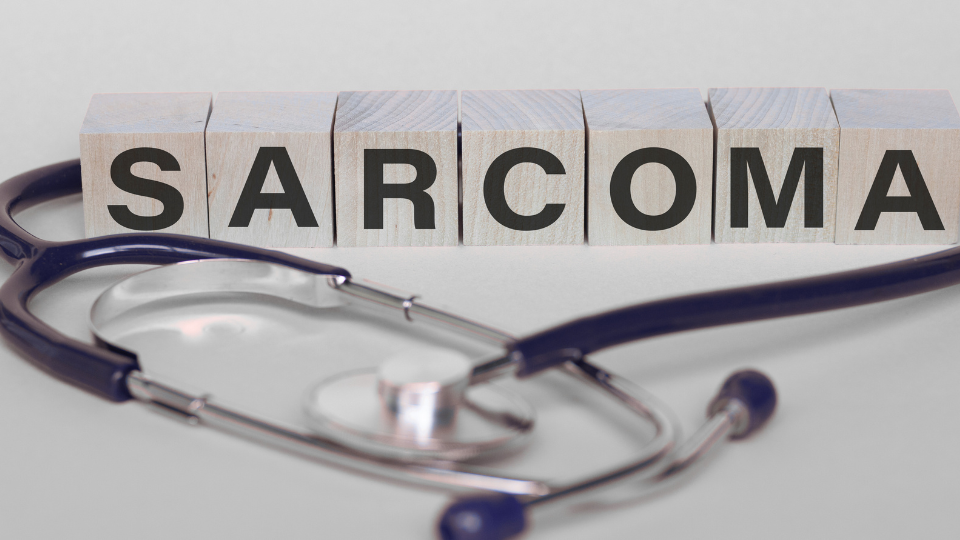
Sarcoma is a type of cancer that originates in the body's connective tissues. These connective tissues include bones, cartilage, fat, muscles, and blood vessels. Unlike carcinomas, which start in the skin or organs, sarcomas are much rarer and can develop in any part of the body. There are many different types of sarcoma, and they are generally categorized into two main groups: soft tissue sarcomas and bone sarcomas. Soft tissue sarcomas can occur in muscles, fat, and blood vessels, while bone sarcomas specifically arise in the bones.
Some common types of soft tissue sarcomas include liposarcoma (derived from fat), leiomyosarcoma (derived from muscle), and angiosarcoma (derived from blood vessels). Bone sarcomas encompass various types, including osteosarcoma, which frequently affects the long bones in the arms and legs. Symptoms of sarcoma can vary but may include lumps, swelling, or pain in the affected area. Because sarcomas are less common than other cancers, they can sometimes be misdiagnosed. Early detection is essential for effective treatment. Treatment options typically include surgery, chemotherapy, and radiation therapy. Regular check-ups and awareness of unusual symptoms can help in catching sarcoma early.
 The symptoms of sarcoma can vary depending on its type and location, but common signs include:
Lump or swelling: A noticeable lump or swelling in the affected area, which may initially be painless.
Pain: Discomfort in the affected area, especially if the tumour presses against nerves or other structures.
Limited movement: Difficulty moving the affected limb or joint.
Fatigue: Unexplained tiredness or weakness.
Unexplained weight loss: Losing weight without any apparent effort.
If you experience any of these symptoms, especially a persistent lump or pain, consult a healthcare professional.
The exact cause of sarcoma is not well understood, but several factors may contribute:
Genetic factors: Certain genetic conditions, such as Li-Fraumeni syndrome, neurofibromatosis, and Gardner syndrome, increase the risk.
Radiation exposure: Previous exposure to radiation therapy for other cancers may lead to sarcoma.
Chemical exposure: Long-term exposure to certain chemicals, such as herbicides, may increase risk.
Viral infections: Some viruses, like the human immunodeficiency virus (HIV), may contribute to the development of certain sarcomas.
Seek medical attention if you notice:
A new lump or swelling lasting over two weeks
Persistent pain that doesn't improve
Unexplained weight loss or fatigue
Changes in bowel or bladder habits (especially in the abdomen or pelvis)
Early evaluation is essential for timely diagnosis and treatment.
Factors that may elevate the risk of sarcoma include Age, as sarcomas can develop at any age but are more frequent in children and young adults, and genetic predisposition, such as a family history of sarcoma or specific inherited conditions. A history of cancer treatment, especially radiation therapy, can increase risk. Additionally, certain medical conditions, such as lymphedema or a weakened immune system, may increase the risk.
If a doctor suspects sarcoma, they may perform several tests:
Physical exam: Checking for lumps or abnormalities.
Imaging tests:
X-rays: To detect bone abnormalities.
MRI: Provides detailed images of soft tissues.
CT scans: Help visualise the tumour and surrounding structures.
Biopsy: A sample of the tumour is taken and examined under a microscope to determine if it's cancerous.
Blood tests: General blood tests may be done to assess overall health and organ function.
Do's:
Follow medical advice: Stick to your treatment plan and attend all follow-up appointments.
Stay informed: Educate yourself about sarcoma and treatment options.
Eat a healthy diet: Maintain a balanced diet to support your overall health.
Stay active: Engage in light physical activity as advised by your doctor.
Seek support: Connect with support groups or mental health professionals for emotional support.
Don'ts:
Don't ignore symptoms: Early detection is crucial, so report any new or worsening symptoms to your doctor promptly.
Avoid self-treatment: Do not try to treat sarcoma with alternative therapies without consulting your doctor.
Don't skip follow-ups: Regular monitoring is vital for managing your health after treatment.
Avoid excessive stress by using relaxation techniques, exercise, or counselling to manage it.
Disclaimer:
Our medical content authors have diligently gathered and synthesized information on this topic to offer valuable insights to our readers. Drawing from a range of reputable medical journals and health resources, this content aims to enhance understanding of the subject. It's essential to remember that while this information is informative, it should not replace personalized consultation or treatment from a qualified healthcare professional. For further details, please refer to our Editorial Policy.
For this topic, our authors used some of the following resources:
Mayo Clinic | Sarcoma - Diagnosis and treatment
National Cancer Institute (.gov) | Soft Tissue Sarcoma Treatment
Johns Hopkins Medicine | Sarcoma Treatment
nhs.uk | Treatment for soft tissue sarcoma
Cleveland Clinic | Sarcoma: What it Is, Symptoms & Treatment
.png)
Saba holds a Master’s degree in Pharmacy from Jamia Hamdard University, New Delhi and possesses a deep understanding of medical subjects. She is an experienced teacher and is passionate about health education. She has a remarkable talent for transforming complex medical concepts into engaging, accurate, and impactful content to inspire healthier living. With a deep scientific understanding and thorough research, Saba consistently supports her writings with the latest publications, ensuring accuracy and relevance.
.png)
Oruge is committed to promoting health awareness through clear, research-based communication. With a background in microbiology and public health, she combines scientific accuracy with an engaging writing style to simplify complex medical topics. At VivaVel Health, she contributes insightful reviews, articles, and blogs that empower readers to make informed decisions for healthier living.


 BLK-MAX Super Specialty Hospital
 Pusa Road, Radha Soami Satsang, Rajendra Place New Delhi, 110005 India
 Accord Superspeciality Hospital
Budena Village, Sector 86, Faridabad, Haryana 121002, India
 SHALBY Sanar International Hospitals, Gurugram
Golf Course Rd, Parsvnath Exotica, DLF Phase 5, Sector 53, Gurugram, Haryana Gurgaon, 122022 India
 PARAS Health, Gurugram
C-1, Sushant Lok- 1, Sector-43, Phase- I, Gurugram, Haryana, 122002
 Dr. Pooja Agarwal
 Consultant (Visiting) – Breast Surgery
 General Surgeon
 10 Years Experience
 Manipal Hospital (E.M. Bypass), Kolkata
Dr. Pooja Agarwal stands out as one of the oncologists in Kolkata, specializing in breast cancer surgery. With over 10 years of experience, she has earned a reputatio...
 Book Consultation
 Dr. Harshvardhan AtreyaMedical Oncology
Medical Oncology, Cancer Care
19 Years ExperienceMedanta Super Speciality Hospital, Lucknow
Dr. Harshvardhan AtreyaMedical Oncology
Medical Oncology, Cancer Care
19 Years ExperienceMedanta Super Speciality Hospital, Lucknow
Dr. Harsh Vardhan Atreya is a prominent Consultant Medical & Hemato-Oncologist specializing in Bone Marrow Transplantation. With training from esteemed institutio...
Book Consultation
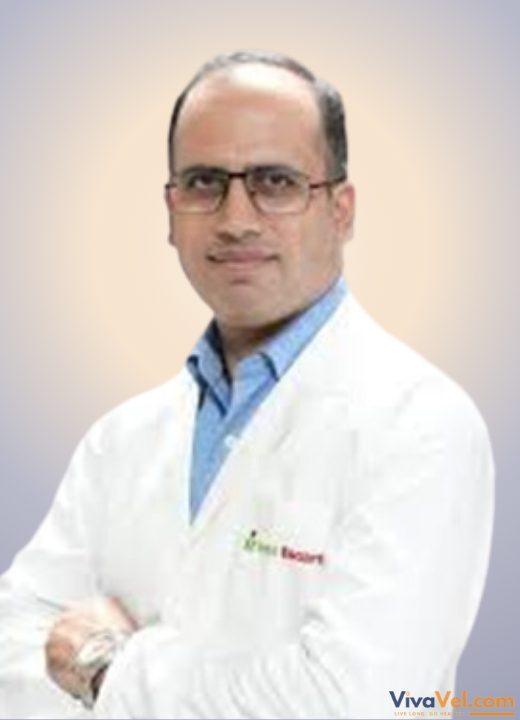 Dr. Imran KhanAssociate Consultant
Oncology | Medical Oncology
12 Years ExperienceFortis Escorts Heart Institute
Dr. Imran KhanAssociate Consultant
Oncology | Medical Oncology
12 Years ExperienceFortis Escorts Heart Institute
Dr. Imran Khan has joined Fortis Escorts in Okhla Road, New Delhi, as an Associate Consultant in Medical Oncology. He brings over 12 years of experience in oncology. ...
Book Consultation
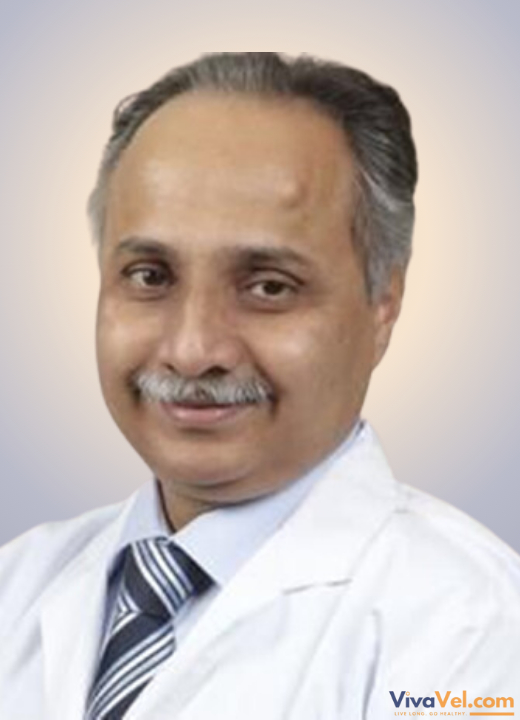 Dr. Harit ChaturvediChairman - Max Institute Of Cancer Care
Cancer Care / Oncology, Thoracic Oncolog...
33 Years ExperienceMax Super Speciality Hospital, Saket
Dr. Harit ChaturvediChairman - Max Institute Of Cancer Care
Cancer Care / Oncology, Thoracic Oncolog...
33 Years ExperienceMax Super Speciality Hospital, Saket
Dr. Harit K Chaturvedi heads the Max Institute of Cancer Care. He has been with Max Healthcare since 2009 and has worked hard to create one of the best cancer treatme...
Book Consultation
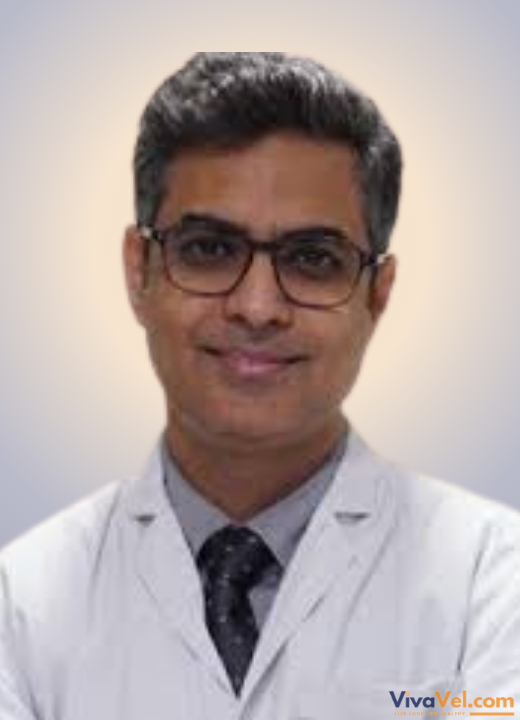 Dr. Asit AroraSenior Director
Surgical Oncologist | Gastrointestinal &...
20 Years ExperienceMax Super Speciality Hospital, Saket
Dr. Asit AroraSenior Director
Surgical Oncologist | Gastrointestinal &...
20 Years ExperienceMax Super Speciality Hospital, Saket
Dr. Asit Arora is a highly regarded Surgical Gastroenterologist specializing in Gastrointestinal and Hepat-pancreato-biliary (HPB) surgery. He is based in the Delhi N...
Book Consultation
 Dr. Nikhil AgrawalSenior Director
Cancer Care / Oncology, Surgical Oncolog...
21 Years ExperienceMax Super Speciality Hospital, Saket
Dr. Nikhil AgrawalSenior Director
Cancer Care / Oncology, Surgical Oncolog...
21 Years ExperienceMax Super Speciality Hospital, Saket
Dr. Nikhil Agrawal is a distinguished Gastrointestinal (GI) and Hepato-Pancreato-Biliary (HPB) Surgical Oncologist, serving as the Director of GI-HPB Surgery and Oncology at ...
Book Consultation
Treatment Plan & Cost within 2 days















 Robotic Surgery
 Max Super Speciality Hospital, Saket
 Dr. Aramwong Thaveelap