Hemimandibulectomy is a surgical procedure in which part of the lower jaw (mandible) is removed. Doctors usually perform this procedure to treat conditions like oral cancer, severe infections, or bone diseases that damage the jawbone. The surgeon removes the affected portion of the jaw to stop the spread of disease or illness. After hemimandibulectomy, patients may experience changes in appearance, speech, and ability to chew or swallow food. These changes happen because the jaw plays a significant role in how the face looks and functions.
Reconstructive surgery is often performed to restore facial shape and improve functions such as speaking and eating. Surgeons might use bone grafts or implants to replace the missing part of the jaw. Recovery can take time; patients may need speech therapy and other treatments to regain normal function.
If you or someone you know is considering hemimandibulectomy, it is essential to discuss all options with the healthcare team. The goal is to treat the condition while maintaining as much quality of life as possible.
 This surgery is usually required when the following signs or symptoms are present:
Pain or swelling in the jaw could indicate infection, cancer, or a tumour.
Difficulty opening the mouth: Caused by growths or conditions affecting the jawbone.
Loose teeth: In cases where cancer or infection affects the bone holding the teeth.
Visible lump or sore in the mouth: A possible sign of oral cancer.
Persistent mouth ulcers: Sores that do not heal may indicate cancer or a severe infection.
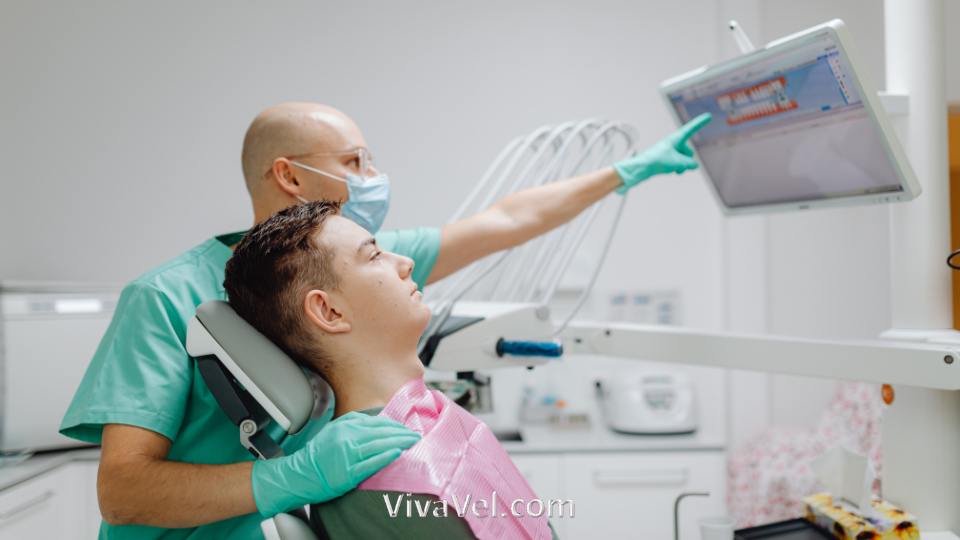
A hemimandibulectomy may be required for several reasons:
Oral cancer: Tumours in the jaw or surrounding tissue may necessitate partial removal of the jaw.
Severe bone infection: Infections like osteomyelitis that do not respond to antibiotics.
Trauma or injury: Severe fractures or injury to the jaw may sometimes require this surgery.
Benign or malignant tumours: Growths that affect the jawbone but are not necessarily cancerous.
Persistent pain or swelling in the jaw, especially if it doesn't improve with painkillers.
Lumps or sores in the mouth that don't heal can be a sign of a severe condition, such as cancer.
Difficulty chewing, swallowing, or opening the mouth can be a sign of jaw disease or tumour growth.
Unexplained weight loss: This may indicate underlying cancer in the oral cavity or jaw.
If any of these symptoms persist, seeking medical evaluation is crucial.
Some factors increase the likelihood of needing a hemimandibulectomy:
Smoking and alcohol use: Major risk factors for oral cancer.
Poor oral hygiene: This can lead to infections or diseases that may affect the jawbone.
Previous history of cancer: Particularly head, neck, or oral cancer.
Chronic infections or bone diseases: Conditions like osteomyelitis increase the risk of requiring surgery.
Radiation exposure increases the risk of developing cancers of the jawbone.
Before performing a hemimandibulectomy, doctors will conduct several tests to understand the condition:
Biopsy: The process of taking a sample of tissue to test for cancer or infection.
CT scan: A detailed imaging test that shows the structure of the jawbone and surrounding tissues.
MRI: Helps to evaluate soft tissue involvement, including tumours.
X-rays: Commonly used to check the condition of the jawbone and teeth.
PET scan: Used to detect the spread of cancer in the body.
Do's:
Follow post-surgery care instructions: These will include how to care for your incision, diet recommendations, and activities to avoid.
Maintain oral hygiene: Keep the surgical site clean to prevent infections.
Attend physical and speech therapy: These will help restore normal function in eating, speaking, and jaw movement.
Eat soft foods: Stick to soft or liquid foods during the recovery period to avoid strain on the jaw.
Stay hydrated: Helps in healing and reducing discomfort.
Take prescribed medications: Pain relief and antibiotics are essential after surgery.
Don'ts:
Avoid smoking or alcohol: These can interfere with healing and increase the risk of complications.
Do not skip follow-up appointments: Regular monitoring is crucial to ensure proper recovery and detect any recurrence of disease.
Avoid strenuous activity: Rest and avoid heavy lifting or intense physical activity during recovery.
Do not consume hard or crunchy foods: These can put unnecessary pressure on the healing jaw.
Don't self-medicate: Always take medications as prescribed and avoid over-the-counter drugs without consulting your doctor.
Disclaimer:
Our medical content authors have diligently gathered and synthesized information on this topic to offer valuable insights to our readers. Drawing from a range of reputable medical journals and health resources, this content aims to enhance understanding of the subject. It's essential to remember that while this information is informative, it should not replace personalized consultation or treatment from a qualified healthcare professional. For further details, please refer to our Editorial Policy.
For this topic, our authors used some of the following resources:
National Institutes of Health (.gov) | Prosthodontic management of hemimandibulectomy
ScienceDirect.com | Hemimandibulectomy and therapeutic neck dissection
.png)
Saba holds a Master’s degree in Pharmacy from Jamia Hamdard University, New Delhi and possesses a deep understanding of medical subjects. She is an experienced teacher and is passionate about health education. She has a remarkable talent for transforming complex medical concepts into engaging, accurate, and impactful content to inspire healthier living. With a deep scientific understanding and thorough research, Saba consistently supports her writings with the latest publications, ensuring accuracy and relevance.
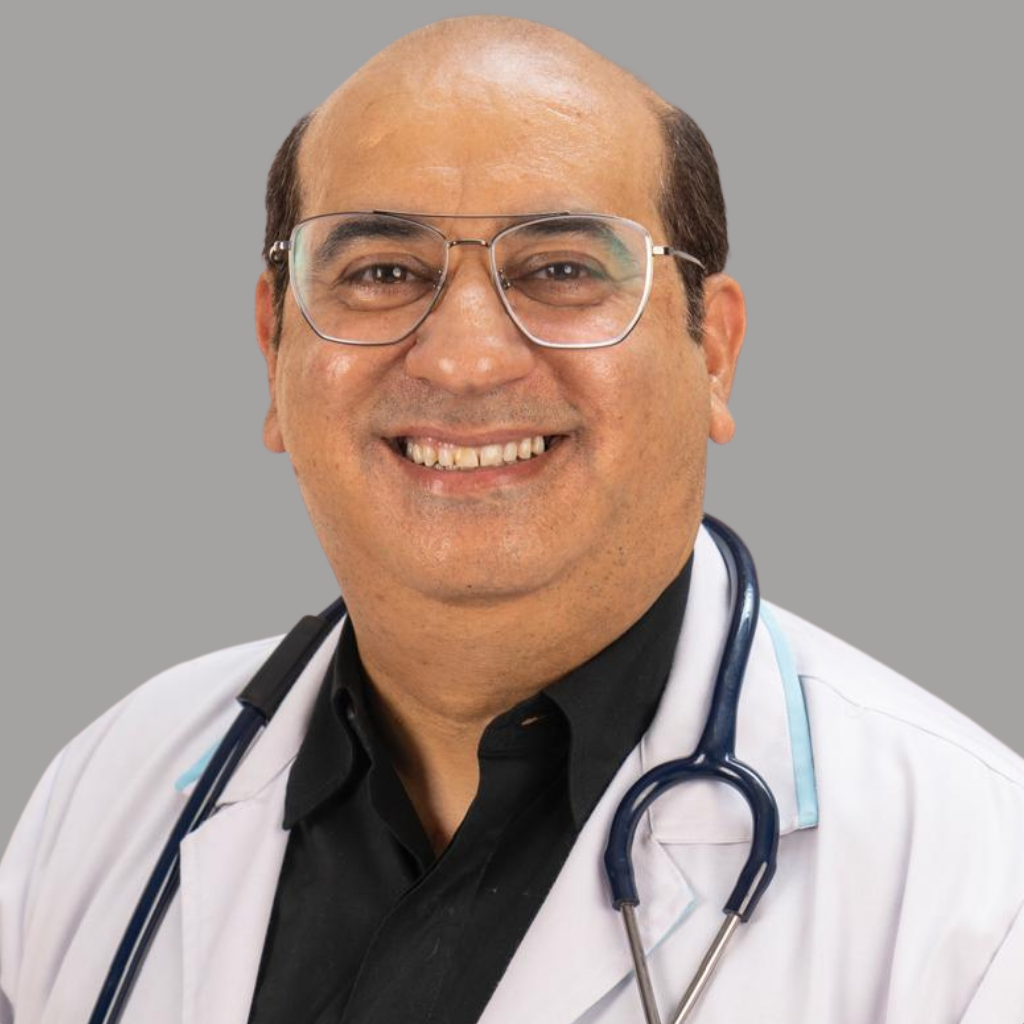
Dr. Yuvraj brings over 27 years of clinical and leadership experience. He contributes to the VivaVel Editorial and Peer Review Panel and is a strong advocate for ethical, evidence-based healthcare. Dr. Yuvraj ensures that VivaVel’s medical content stays accurate, authentic, and patient-centred. His extensive expertise in modern and traditional medicine, along with his Clinical Pharmacology background, helps him communicate complex scientific concepts in accessible ways. This ensures that VivaVel’s content remains trustworthy for readers and patients worldwide.


 BLK-MAX Super Specialty Hospital
 Pusa Road, Radha Soami Satsang, Rajendra Place New Delhi, 110005 India
 Accord Superspeciality Hospital
Budena Village, Sector 86, Faridabad, Haryana 121002, India
 SHALBY Sanar International Hospitals, Gurugram
Golf Course Rd, Parsvnath Exotica, DLF Phase 5, Sector 53, Gurugram, Haryana Gurgaon, 122022 India
 PARAS Health, Gurugram
C-1, Sushant Lok- 1, Sector-43, Phase- I, Gurugram, Haryana, 122002
 Dr. Pooja Agarwal
 Consultant (Visiting) – Breast Surgery
 General Surgeon
 10 Years Experience
 Manipal Hospital (E.M. Bypass), Kolkata
Dr. Pooja Agarwal stands out as one of the oncologists in Kolkata, specializing in breast cancer surgery. With over 10 years of experience, she has earned a reputatio...
 Book Consultation
 Dr. Harshvardhan AtreyaMedical Oncology
Medical Oncology, Cancer Care
19 Years ExperienceMedanta Super Speciality Hospital, Lucknow
Dr. Harshvardhan AtreyaMedical Oncology
Medical Oncology, Cancer Care
19 Years ExperienceMedanta Super Speciality Hospital, Lucknow
Dr. Harsh Vardhan Atreya is a prominent Consultant Medical & Hemato-Oncologist specializing in Bone Marrow Transplantation. With training from esteemed institutio...
Book Consultation
 Dr. Imran KhanAssociate Consultant
Oncology | Medical Oncology
12 Years ExperienceFortis Escorts Heart Institute
Dr. Imran KhanAssociate Consultant
Oncology | Medical Oncology
12 Years ExperienceFortis Escorts Heart Institute
Dr. Imran Khan has joined Fortis Escorts in Okhla Road, New Delhi, as an Associate Consultant in Medical Oncology. He brings over 12 years of experience in oncology. ...
Book Consultation
 Dr. Harit ChaturvediChairman - Max Institute Of Cancer Care
Cancer Care / Oncology, Thoracic Oncolog...
33 Years ExperienceMax Super Speciality Hospital, Saket
Dr. Harit ChaturvediChairman - Max Institute Of Cancer Care
Cancer Care / Oncology, Thoracic Oncolog...
33 Years ExperienceMax Super Speciality Hospital, Saket
Dr. Harit K Chaturvedi heads the Max Institute of Cancer Care. He has been with Max Healthcare since 2009 and has worked hard to create one of the best cancer treatme...
Book Consultation
 Dr. Asit AroraSenior Director
Surgical Oncologist | Gastrointestinal &...
20 Years ExperienceMax Super Speciality Hospital, Saket
Dr. Asit AroraSenior Director
Surgical Oncologist | Gastrointestinal &...
20 Years ExperienceMax Super Speciality Hospital, Saket
Dr. Asit Arora is a highly regarded Surgical Gastroenterologist specializing in Gastrointestinal and Hepat-pancreato-biliary (HPB) surgery. He is based in the Delhi N...
Book Consultation
 Dr. Nikhil AgrawalSenior Director
Cancer Care / Oncology, Surgical Oncolog...
21 Years ExperienceMax Super Speciality Hospital, Saket
Dr. Nikhil AgrawalSenior Director
Cancer Care / Oncology, Surgical Oncolog...
21 Years ExperienceMax Super Speciality Hospital, Saket
Dr. Nikhil Agrawal is a distinguished Gastrointestinal (GI) and Hepato-Pancreato-Biliary (HPB) Surgical Oncologist, serving as the Director of GI-HPB Surgery and Oncology at ...
Book Consultation
Treatment Plan & Cost within 2 days














 Angioplasty
 Kokilaben Dhirubhai Ambani Hospital
 Dr. Col V Hariharan