Stomach cancer, or gastric cancer, happens when abnormal cells in the stomach lining grow uncontrollably. These cells form tumors that can spread to other parts of the body. It usually develops over many years, so early signs may not always be noticeable. Common symptoms include stomach pain, indigestion, bloating, nausea, and unexplained weight loss. People who smoke, drink alcohol excessively, or have a family history of stomach cancer are at higher risk. Infection with Helicobacter pylori bacteria can also increase the risk. Doctors use tests like endoscopy and imaging to detect it. Early detection improves the chances of successful treatment, which may involve surgery, chemotherapy, or radiation therapy. Leading a healthy lifestyle, including a balanced diet and avoiding smoking, can help reduce the risk of stomach cancer. Regular medical check-ups are also crucial for early diagnosis.
 In the early stages, stomach cancer may not cause noticeable symptoms, but as it progresses, you may experience:
Indigestion or a burning sensation in your stomach
Feeling full after eating small amounts of food
Loss of appetite
Unexplained weight loss
Nausea or vomiting
Heartburn
Abdominal pain or discomfort (especially above the belly button)
Blood in the stool (may appear as dark, tarry stools)
Fatigue (due to anaemia caused by bleeding in the stomach)
Since these symptoms can be vague or confused with other digestive issues, it's essential to consult a doctor if they persist.

Stomach cancer occurs when the DNA in the cells of the stomach lining undergoes changes or mutations, leading to uncontrolled cell growth. While the exact causes aren't fully understood, several factors can increase the risk:
Infections: The most common infection is Helicobacter pylori (H. pylori), which is linked to stomach ulcers and an increased risk of cancer.
Genetics: A family history of stomach cancer can raise the likelihood.
Diet: A diet high in smoked, pickled, or salty foods has been linked to stomach cancer.
Smoking and alcohol: Both habits significantly increase cancer risk.
Previous stomach surgery: Surgery for ulcers or other issues can increase the chance of cancer developing later.
If you experience the following symptoms persistently, see a doctor:
Unexplained weight loss
Persistent stomach pain
Difficulty swallowing (feeling that food is getting stuck)
Vomiting blood or passing blood in your stool
Severe indigestion or heartburn that doesn't improve with medication
Early detection can improve treatment success, so it's essential not to ignore ongoing symptoms.
Several factors can increase the risk of stomach cancer:
Age: Most cases occur in people over 50.
Gender: Men are more likely to develop stomach cancer than women.
Diet: High consumption of salty, smoked, and pickled foods increases risk.
Infections: Long-term infection with H. pylori bacteria can lead to cancer.
Tobacco and alcohol: Both significantly raise the likelihood of developing stomach cancer.
Obesity: Excess body weight is linked to many types of cancer, including stomach cancer.
Family history: A family history of stomach cancer or other cancers raises the risk.
If a doctor suspects stomach cancer, they may recommend several tests:
Endoscopy: A thin, flexible tube with a camera is inserted into the stomach to examine the lining for abnormalities. A biopsy (tissue sample) can be taken during this procedure.
Imaging tests:
CT scan or MRI to get detailed images of the stomach and surrounding tissues.
PET scan to check if cancer has spread.
Blood tests: To check for signs of cancer and overall health.
Barium swallow: You drink a liquid containing barium, which coats the stomach lining, making it easier to see abnormalities on X-rays.
Do's:
Eat a healthy diet: Focus on fresh fruits, vegetables, and whole grains. These contain antioxidants that protect your stomach lining.
Stay hydrated: Drinking plenty of water helps your digestive system.
Quit smoking: Smoking is a significant risk factor for stomach cancer.
Limit alcohol consumption: Reduce alcohol intake to lower the risk.
Get regular screenings: If you're at high risk or have symptoms, regular check-ups and tests can help catch cancer early.
Manage stress: Practice relaxation techniques to improve your overall health.
Don'ts:
Avoid salty, smoked, and pickled foods: These have been linked to an increased risk of stomach cancer.
Don't ignore persistent symptoms: Stomach pain, unexplained weight loss, or blood in your stool should never be overlooked.
Don't overuse anti-inflammatory drugs: Long-term use of NSAIDs (like ibuprofen) can irritate the stomach lining.
Disclaimer:
Our medical content authors have diligently gathered and synthesized information on this topic to offer valuable insights to our readers. Drawing from a range of reputable medical journals and health resources, this content aims to enhance understanding of the subject. It's essential to remember that while this information is informative, it should not replace personalized consultation or treatment from a qualified healthcare professional. For further details, please refer to our Editorial Policy.
For this topic, our authors used some of the following resources:
Mayo Clinic | Stomach cancer - Symptoms and causes
Cleveland Clinic | Stomach Cancer: Symptoms and Treatment
.png)
Saba holds a Master’s degree in Pharmacy from Jamia Hamdard University, New Delhi and possesses a deep understanding of medical subjects. She is an experienced teacher and is passionate about health education. She has a remarkable talent for transforming complex medical concepts into engaging, accurate, and impactful content to inspire healthier living. With a deep scientific understanding and thorough research, Saba consistently supports her writings with the latest publications, ensuring accuracy and relevance.
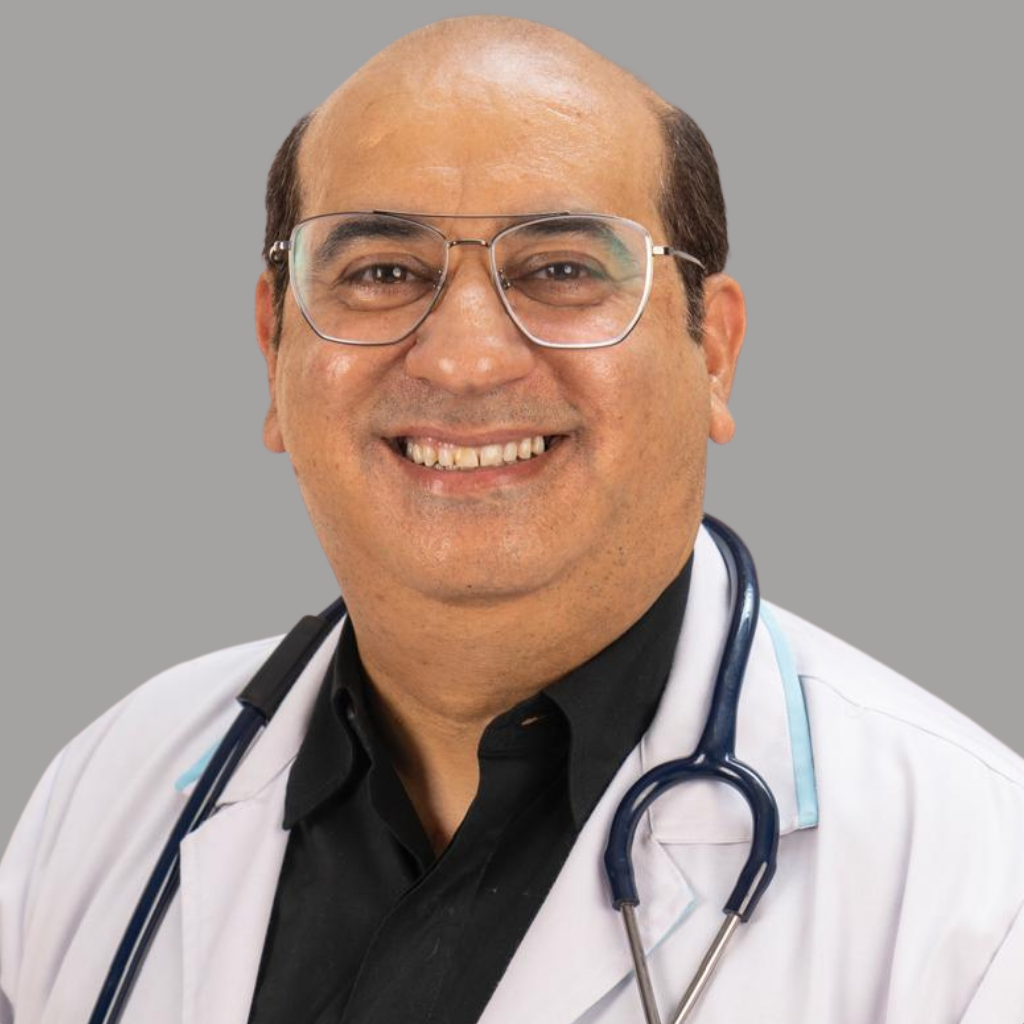
Dr. Yuvraj brings over 27 years of clinical and leadership experience. He contributes to the VivaVel Editorial and Peer Review Panel and is a strong advocate for ethical, evidence-based healthcare. Dr. Yuvraj ensures that VivaVel’s medical content stays accurate, authentic, and patient-centred. His extensive expertise in modern and traditional medicine, along with his Clinical Pharmacology background, helps him communicate complex scientific concepts in accessible ways. This ensures that VivaVel’s content remains trustworthy for readers and patients worldwide.

 BLK-MAX Super Specialty Hospital
 Pusa Road, Radha Soami Satsang, Rajendra Place New Delhi, 110005 India
 Accord Superspeciality Hospital
Budena Village, Sector 86, Faridabad, Haryana 121002, India
 SHALBY Sanar International Hospitals, Gurugram
Golf Course Rd, Parsvnath Exotica, DLF Phase 5, Sector 53, Gurugram, Haryana Gurgaon, 122022 India
 PARAS Health, Gurugram
C-1, Sushant Lok- 1, Sector-43, Phase- I, Gurugram, Haryana, 122002

 Dr. Pooja Agarwal
 Consultant (Visiting) – Breast Surgery
 General Surgeon
 10 Years Experience
 Manipal Hospital (E.M. Bypass), Kolkata
Dr. Pooja Agarwal stands out as one of the oncologists in Kolkata, specializing in breast cancer surgery. With over 10 years of experience, she has earned a reputatio...
 Book Consultation
 Dr. Harshvardhan AtreyaMedical Oncology
Medical Oncology, Cancer Care
19 Years ExperienceMedanta Super Speciality Hospital, Lucknow
Dr. Harshvardhan AtreyaMedical Oncology
Medical Oncology, Cancer Care
19 Years ExperienceMedanta Super Speciality Hospital, Lucknow
Dr. Harsh Vardhan Atreya is a prominent Consultant Medical & Hemato-Oncologist specializing in Bone Marrow Transplantation. With training from esteemed institutio...
Book Consultation
 Dr. Imran KhanAssociate Consultant
Oncology | Medical Oncology
12 Years ExperienceFortis Escorts Heart Institute
Dr. Imran KhanAssociate Consultant
Oncology | Medical Oncology
12 Years ExperienceFortis Escorts Heart Institute
Dr. Imran Khan has joined Fortis Escorts in Okhla Road, New Delhi, as an Associate Consultant in Medical Oncology. He brings over 12 years of experience in oncology. ...
Book Consultation
 Dr. Harit ChaturvediChairman - Max Institute Of Cancer Care
Cancer Care / Oncology, Thoracic Oncolog...
33 Years ExperienceMax Super Speciality Hospital, Saket
Dr. Harit ChaturvediChairman - Max Institute Of Cancer Care
Cancer Care / Oncology, Thoracic Oncolog...
33 Years ExperienceMax Super Speciality Hospital, Saket
Dr. Harit K Chaturvedi heads the Max Institute of Cancer Care. He has been with Max Healthcare since 2009 and has worked hard to create one of the best cancer treatme...
Book Consultation
 Dr. Asit AroraSenior Director
Surgical Oncologist | Gastrointestinal &...
20 Years ExperienceMax Super Speciality Hospital, Saket
Dr. Asit AroraSenior Director
Surgical Oncologist | Gastrointestinal &...
20 Years ExperienceMax Super Speciality Hospital, Saket
Dr. Asit Arora is a highly regarded Surgical Gastroenterologist specializing in Gastrointestinal and Hepat-pancreato-biliary (HPB) surgery. He is based in the Delhi N...
Book Consultation
 Dr. Nikhil AgrawalSenior Director
Cancer Care / Oncology, Surgical Oncolog...
21 Years ExperienceMax Super Speciality Hospital, Saket
Dr. Nikhil AgrawalSenior Director
Cancer Care / Oncology, Surgical Oncolog...
21 Years ExperienceMax Super Speciality Hospital, Saket
Dr. Nikhil Agrawal is a distinguished Gastrointestinal (GI) and Hepato-Pancreato-Biliary (HPB) Surgical Oncologist, serving as the Director of GI-HPB Surgery and Oncology at ...
Book Consultation
Treatment Plan & Cost within 2 days















 Liver Transplant
 Sterling Hospital, Ahmedabad
 Dr. Ashu Kumar Jain