A spinal cord tumour is an abnormal growth of cells in or near the spinal cord. These tumours can be either benign (non-cancerous) or malignant (cancerous). They exert pressure on the spinal cord and interfere with its function. This can lead to symptoms like back pain, numbness, weakness in the arms or legs, and difficulty walking. Some individuals may also experience loss of bowel or bladder control. The exact cause of spinal cord tumours is not always clear, but genetic factors might play a role. Early diagnosis is crucial for effective treatment. Treatment options include surgery, radiation therapy, or chemotherapy, depending on the tumour's type and location. Recovery from spinal cord tumours varies among individuals. If left untreated, these tumours can cause permanent damage to the spinal cord and serious health complications. Regular check-ups and medical care can help manage the condition and improve outcomes.
 The symptoms of a spinal cord tumour can develop gradually over time or appear suddenly. Common signs include:
Back pain: Often the first sign; pain may radiate to other parts of the body.
Weakness or numbness: Usually in the arms or legs, sometimes leading to difficulty walking.
Loss of bladder or bowel control: In severe cases, the tumour may press on nerves that control these functions.
Muscle weakness: Difficulty moving or controlling muscles.
Difficulty walking: Unsteadiness or stumbling.
Sensory changes: Such as tingling, loss of sensation, or increased sensitivity to cold or heat.
Note: Symptoms vary based on the tumour's size, type, and location on the spine.

The exact cause of spinal cord tumours is unknown. However, some factors may increase the likelihood of their development:
Genetic mutations: Changes in DNA can lead to abnormal cell growth.
Inherited conditions: Some genetic disorders, like neurofibromatosis, are associated with spinal tumours.
Radiation exposure: Prior radiation exposure can increase the risk of developing tumours.
Seek immediate medical attention if you experience:
Severe or worsening back pain
Weakness or numbness that affects your mobility or daily activities
Sudden changes in bladder or bowel function
Loss of coordination or balance
Early diagnosis and treatment can prevent permanent damage.
Several factors may increase the risk of developing spinal cord tumours:
Family history: Conditions like neurofibromatosis (a genetic disorder) can lead to spinal tumours.
Radiation exposure: People who have had radiation therapy, especially on the spine, might have a higher risk.
Weakened immune system: Conditions like HIV or treatments such as chemotherapy can make you more vulnerable.
To diagnose a spinal cord tumour, doctors use several tests:
MRI (Magnetic Resonance Imaging): The most common and detailed imaging test for detecting spinal cord tumours.
CT Scan (Computed Tomography): This provides images of the spine and can show the tumour's effect on surrounding structures.
Biopsy: A sample of the tumour may be taken and analysed to determine if it's cancerous.
X-rays: May reveal changes in the spine's bones.
Spinal tap (lumbar puncture): A cerebrospinal fluid (CSF) sample is tested for abnormal cells.
Do's:
Stay active: Gentle exercises, as recommended by your doctor or physical therapist, can help maintain your strength.
Follow your treatment plan: Adhere to medications, therapy sessions, and follow-up appointments.
Monitor your symptoms: Report any new or worsening symptoms to your doctor immediately.
Stay positive and seek support: Joining support groups or seeking counseling can help you manage your emotions effectively.
Don'ts:
Avoid heavy lifting: It can strain your spine and worsen your condition.
Make sure to attend follow-up appointments: Regular monitoring is essential, even after treatment.
Limit strenuous activities: Too much activity can lead to pain or injury.
Don’t ignore changes in bowel or bladder function: These can indicate severe spinal cord compression.
Disclaimer:
Our medical content authors have diligently gathered and synthesized information on this topic to offer valuable insights to our readers. Drawing from a range of reputable medical journals and health resources, this content aims to enhance understanding of the subject. It's essential to remember that while this information is informative, it should not replace personalized consultation or treatment from a qualified healthcare professional. For further details, please refer to our Editorial Policy.
For this topic, our authors used some of the following resources:
Mayo Clinic | Spinal cord tumour - Symptoms and causes
Cleveland Clinic | Spinal Tumours: Types, Causes, Symptoms & Treatment
Johns Hopkins Medicine | Spinal Cancer and Spinal Tumours
American Association of Neurological Surgeons - AANS | Spinal Tumors
.png)
Saba holds a Master’s degree in Pharmacy from Jamia Hamdard University, New Delhi and possesses a deep understanding of medical subjects. She is an experienced teacher and is passionate about health education. She has a remarkable talent for transforming complex medical concepts into engaging, accurate, and impactful content to inspire healthier living. With a deep scientific understanding and thorough research, Saba consistently supports her writings with the latest publications, ensuring accuracy and relevance.
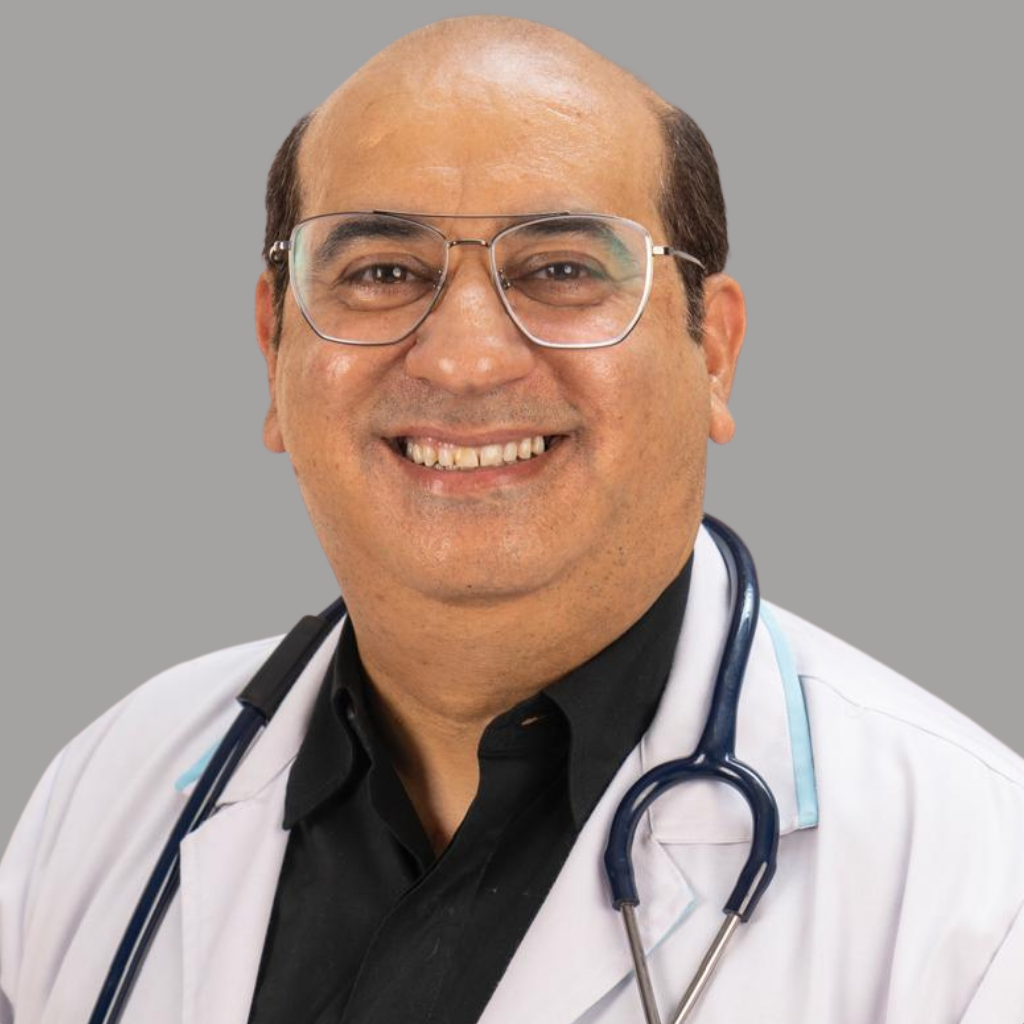
Dr. Yuvraj brings over 27 years of clinical and leadership experience. He contributes to the VivaVel Editorial and Peer Review Panel and is a strong advocate for ethical, evidence-based healthcare. Dr. Yuvraj ensures that VivaVel’s medical content stays accurate, authentic, and patient-centred. His extensive expertise in modern and traditional medicine, along with his Clinical Pharmacology background, helps him communicate complex scientific concepts in accessible ways. This ensures that VivaVel’s content remains trustworthy for readers and patients worldwide.




 BLK-MAX Super Specialty Hospital
 Pusa Road, Radha Soami Satsang, Rajendra Place New Delhi, 110005 India
 Accord Superspeciality Hospital
Budena Village, Sector 86, Faridabad, Haryana 121002, India
 SHALBY Sanar International Hospitals, Gurugram
Golf Course Rd, Parsvnath Exotica, DLF Phase 5, Sector 53, Gurugram, Haryana Gurgaon, 122022 India
 PARAS Health, Gurugram
C-1, Sushant Lok- 1, Sector-43, Phase- I, Gurugram, Haryana, 122002

 Dr. Pooja Agarwal
 Consultant (Visiting) – Breast Surgery
 General Surgeon
 10 Years Experience
 Manipal Hospital (E.M. Bypass), Kolkata
Dr. Pooja Agarwal stands out as one of the oncologists in Kolkata, specializing in breast cancer surgery. With over 10 years of experience, she has earned a reputatio...
 Book Consultation
 Dr. Harshvardhan AtreyaMedical Oncology
Medical Oncology, Cancer Care
19 Years ExperienceMedanta Super Speciality Hospital, Lucknow
Dr. Harshvardhan AtreyaMedical Oncology
Medical Oncology, Cancer Care
19 Years ExperienceMedanta Super Speciality Hospital, Lucknow
Dr. Harsh Vardhan Atreya is a prominent Consultant Medical & Hemato-Oncologist specializing in Bone Marrow Transplantation. With training from esteemed institutio...
Book Consultation
 Dr. Imran KhanAssociate Consultant
Oncology | Medical Oncology
12 Years ExperienceFortis Escorts Heart Institute
Dr. Imran KhanAssociate Consultant
Oncology | Medical Oncology
12 Years ExperienceFortis Escorts Heart Institute
Dr. Imran Khan has joined Fortis Escorts in Okhla Road, New Delhi, as an Associate Consultant in Medical Oncology. He brings over 12 years of experience in oncology. ...
Book Consultation
 Dr. Harit ChaturvediChairman - Max Institute Of Cancer Care
Cancer Care / Oncology, Thoracic Oncolog...
33 Years ExperienceMax Super Speciality Hospital, Saket
Dr. Harit ChaturvediChairman - Max Institute Of Cancer Care
Cancer Care / Oncology, Thoracic Oncolog...
33 Years ExperienceMax Super Speciality Hospital, Saket
Dr. Harit K Chaturvedi heads the Max Institute of Cancer Care. He has been with Max Healthcare since 2009 and has worked hard to create one of the best cancer treatme...
Book Consultation
 Dr. Asit AroraSenior Director
Surgical Oncologist | Gastrointestinal &...
20 Years ExperienceMax Super Speciality Hospital, Saket
Dr. Asit AroraSenior Director
Surgical Oncologist | Gastrointestinal &...
20 Years ExperienceMax Super Speciality Hospital, Saket
Dr. Asit Arora is a highly regarded Surgical Gastroenterologist specializing in Gastrointestinal and Hepat-pancreato-biliary (HPB) surgery. He is based in the Delhi N...
Book Consultation
 Dr. Nikhil AgrawalSenior Director
Cancer Care / Oncology, Surgical Oncolog...
21 Years ExperienceMax Super Speciality Hospital, Saket
Dr. Nikhil AgrawalSenior Director
Cancer Care / Oncology, Surgical Oncolog...
21 Years ExperienceMax Super Speciality Hospital, Saket
Dr. Nikhil Agrawal is a distinguished Gastrointestinal (GI) and Hepato-Pancreato-Biliary (HPB) Surgical Oncologist, serving as the Director of GI-HPB Surgery and Oncology at ...
Book Consultation
Treatment Plan & Cost within 2 days














 Angioplasty
 University Medical Center Hamburg-Eppendorf (UKE)
 Dr. Kaushik Sen