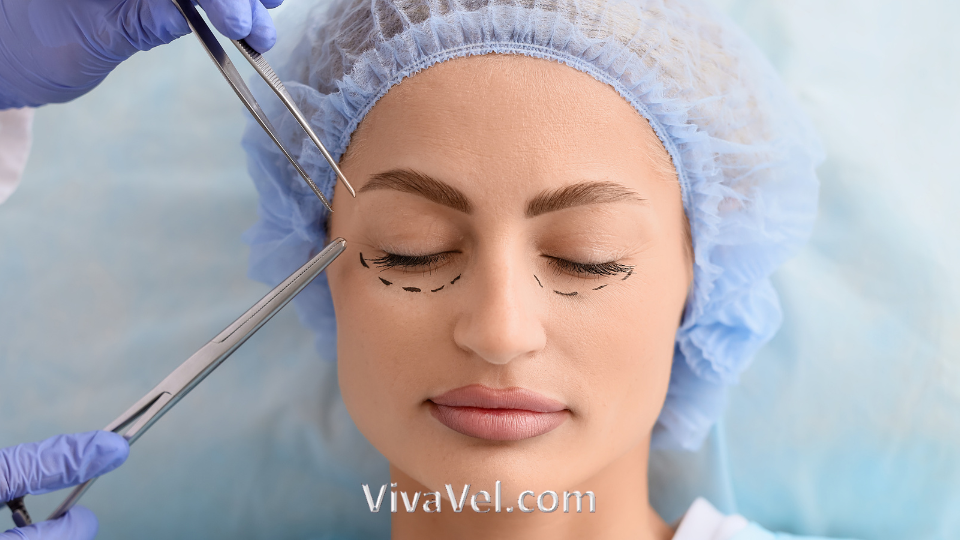
Eyelid surgery, also known as blepharoplasty, is a cosmetic or reconstructive procedure designed to enhance the appearance and function of the eyelids. Many people opt for this surgery to correct drooping eyelids or reduce bags under the eyes, which can make them appear tired or older. This procedure can be performed on the upper eyelids, lower eyelids, or both, depending on the individual's needs. Eyelid surgery can also help improve vision if excess skin obstructs the line of sight.
During surgery, a skilled surgeon removes excess skin, fat, or muscle to achieve a more youthful, refreshed look. The procedure usually takes one to two hours and is often performed on an outpatient basis.
Recovery from eyelid surgery typically involves swelling and bruising that usually subsides within 1 to 2 weeks. Most patients can resume their normal activities after a brief recovery period. Eyelid surgery can enhance self-confidence and improve overall facial balance and harmony. If you're considering this procedure, consult with a qualified surgeon to discuss your goals and expectations.
Droopy eyelids: Skin that hangs over the eyelashes.
Puffy eyelids: Bags under the eyes that can make you look tired.
Excess skin: Loose or sagging skin around the eyelids.
Vision problems: When droopy eyelids interfere with your vision.
Irritation: Excess skin can cause discomfort or irritation.
Aging: As we get older, the skin loses elasticity, and the muscles around the eyelids weaken.
Genetics: Family history can influence the development of eyelid issues.
Sun exposure: Damage from the sun can lead to skin ageing.
Medical conditions: Allergies or thyroid problems can affect the eyelids.
 You should consult a doctor if you experience:
Significant drooping that affects your vision.
Persistent swelling or discomfort in the eyelids.
Changes in your vision.
Pain or redness around the eyes.
Age: Older adults are more likely to need eyelid surgery due to aging.
Smoking: It can delay healing and increase the risk of complications.
Health conditions: Certain conditions, such as high blood pressure or diabetes, may increase risk.
Previous eye surgeries: They may complicate the procedure.
Before surgery, a doctor may:
Perform a physical examination of your eyes and eyelids.
Discuss your medical history.
Conduct vision tests to check if eyelid droopiness affects your sight.
Take photographs for medical records and to plan the surgery.
Do's:
Follow post-operative instructions: Take prescribed medications and care for your incisions.
Apply cold compresses: To reduce swelling and discomfort.
Keep your head elevated: When resting to minimize swelling.
Attend follow-up appointments: To monitor healing.
Don'ts:
Avoid strenuous activities, Such as heavy lifting or vigorous exercise, for a few weeks.
Don’t wear makeup: On the eyelids until cleared by your doctor.
Avoid rubbing your eyes; this can lead to complications.
Don’t expose your eyes to sunlight: Wear sunglasses to protect them.
Disclaimer:
Our medical content authors have diligently gathered and synthesized information on this topic to offer valuable insights to our readers. Drawing from a range of reputable medical journals and health resources, this content aims to enhance understanding of the subject. It's essential to remember that while this information is informative, it should not replace personalized consultation or treatment from a qualified healthcare professional. For further details, please refer to our Editorial Policy.
For this topic, our authors used some of the following resources:
Cleveland Clinic | Blepharoplasty (Eyelid Surgery)
American Academy of Ophthalmology | Eyelid Surgery
National Institutes of Health (.gov) | Blepharoplasty: An Overview
Harvard Health | What really happens in upper eyelid surgery?
.png)
Saba holds a Master’s degree in Pharmacy from Jamia Hamdard University, New Delhi and possesses a deep understanding of medical subjects. She is an experienced teacher and is passionate about health education. She has a remarkable talent for transforming complex medical concepts into engaging, accurate, and impactful content to inspire healthier living. With a deep scientific understanding and thorough research, Saba consistently supports her writings with the latest publications, ensuring accuracy and relevance.
.png)
Oruge is committed to promoting health awareness through clear, research-based communication. With a background in microbiology and public health, she combines scientific accuracy with an engaging writing style to simplify complex medical topics. At VivaVel Health, she contributes insightful reviews, articles, and blogs that empower readers to make informed decisions for healthier living.


 Accord Superspeciality Hospital
 Budena Village, Sector 86, Faridabad, Haryana 121002, India
 SHALBY Sanar International Hospitals, Gurugram
Golf Course Rd, Parsvnath Exotica, DLF Phase 5, Sector 53, Gurugram, Haryana Gurgaon, 122022 India
 Max Super Speciality Hospital, Dehradun
Mussoorie, Diversion Road, Dehradun, Uttarakhand 248001
 Kokilaben Dhirubhai Ambani Hospital
Rao Saheb, Achutrao Patwardhan Marg, Four Bungalows, Andheri West Mumbai, 400053 India
 Max Super Specialty Hospital, Gurgaon
B Block, Sushant Lok 1, Near Huda City Centre, MF Husain Marg, Sector 43 Gurgaon, 122001 India
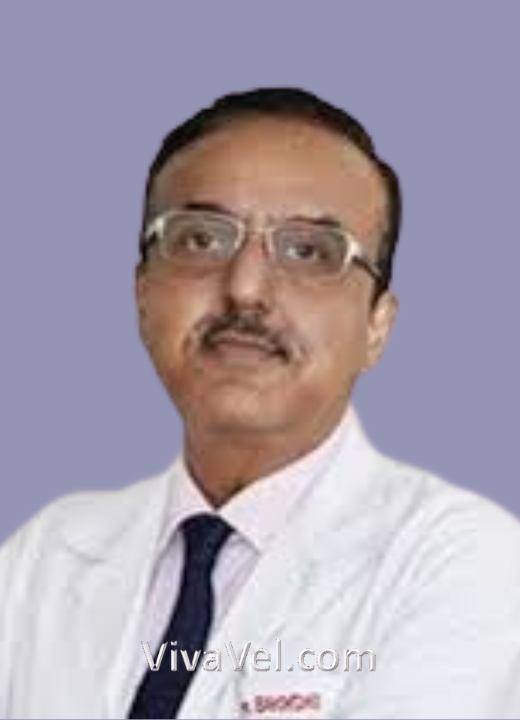
 Dr. Ashwani Kumar Bakhshi
 Director
 Ophthalmologist And Eye Surgeon
 29 Years Experience
 Accord Superspeciality Hospital
Dr. A. K. Bakshi is a distinguished Clinical Ophthalmologist with over 29 years of experience in comprehensive eye care. Currently serving as a Senior Consultant at A...
 Book Consultation
 Dr. Uma MallaiahConsultant
Ophthalmology
23 Years ExperienceFortis La Femme
Dr. Uma MallaiahConsultant
Ophthalmology
23 Years ExperienceFortis La Femme
Dr. Uma Mallaiah is a highly experienced ophthalmologist with 23 years of practice, currently serving patients at Fortis La Femme in Greater Kailash Part 2, Delhi. Sh...
Book Consultation
 Dr. Sameer KaushalHead Of Department
Ophthalmologist And Eye Surgeon
22 Years ExperienceArtemis Hospital
Dr. Sameer KaushalHead Of Department
Ophthalmologist And Eye Surgeon
22 Years ExperienceArtemis Hospital
Dr. Sameer Kaushal is a highly qualified eye surgeon from the prestigious All India Institute of Medical Sciences (AIIMS), New Delhi. After graduating and post-gradua...
Book Consultation
 Dr. Prashaant ChaudhrySenior Consultant & HOD
Ophthalmologist & Refractive Surgeon
21 Years ExperienceAakash Healthcare Super Speciality Hospital, Dwarka
Book Consultation
Dr. Prashaant ChaudhrySenior Consultant & HOD
Ophthalmologist & Refractive Surgeon
21 Years ExperienceAakash Healthcare Super Speciality Hospital, Dwarka
Book Consultation
Treatment Plan & Cost within 2 days














 Multiple Myeloma Treatment
 Fortis Escorts Heart Institute
 Dr. Anjila Aneja