Cataracts are a common eye condition that causes the lens of your eye to become cloudy. This cloudiness can blur your vision, making it hard to see clearly. You might notice that colours appear dull, lights seem overly bright, or you have difficulty reading and driving, especially at night. Cataracts usually develop gradually over time and can affect one or both eyes. They are often linked to ageing, but other factors like diabetes, smoking, and prolonged sun exposure can increase the risk. Regular eye check-ups are important because they can help detect cataracts early. When cataracts significantly impair your vision and daily life, cataract surgery may be needed. During this procedure, the cloudy lens is removed and replaced with a clear artificial lens. The surgery is quick, and most people experience a significant improvement in their vision afterwards. After surgery, it’s essential to follow your doctor's instructions for recovery. Many people can return to normal activities within a few days. Overall, cataract surgery is a safe and effective way to regain clear vision and improve your quality of life.
 Common signs and symptoms of cataracts include:
Blurred or cloudy vision
Difficulty seeing at night
Sensitivity to light and glare
Halos around lights
Fading or yellowing of colours
Frequent changes in prescription glasses or contact lenses
Cataracts can develop for various reasons, including:
Ageing: The most common cause is that the lens changes with age.
Genetics: Family history can increase the likelihood of developing cataracts.
Eye injuries: Trauma to the eye can lead to cataract formation.
Medical conditions: Conditions like diabetes can contribute.
Medications: Long-term use of steroids or certain other medications may increase risk.
Sunlight exposure: UV rays can damage the lens over time.
If you experience any of the following, it's time to consult an eye care professional:
Significant changes in vision
Difficulty performing daily activities due to vision problems
Symptoms that worsen rapidly
Several factors can increase your risk of developing cataracts:
Age: Older adults are more prone to cataracts.
Diabetes: High blood sugar can contribute to the development of cataracts.
Obesity: Being overweight increases the risk.
Smoking: Tobacco use is linked to a higher risk of cataracts.
Alcohol consumption: Excessive drinking may increase the risk.
Eye injuries or surgeries: Previous trauma or surgery can lead to cataract formation.
Prolonged sun exposure: Lack of UV protection for your eyes can be a factor.
Eye care professionals use several methods to diagnose cataracts:
Eye exam: A comprehensive eye exam will assess vision and check for cataracts.
Visual acuity test: Measures how well you see at various distances.
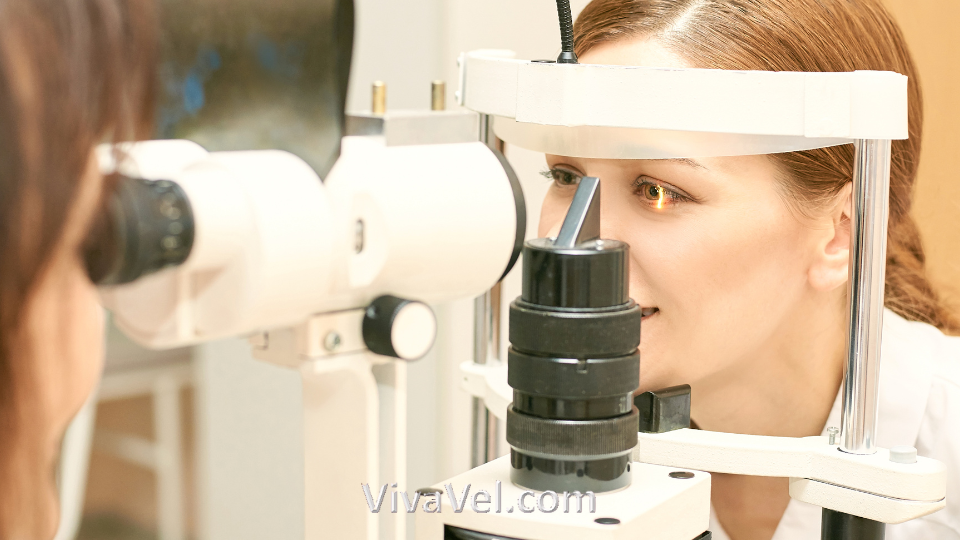
Slit-lamp exam: A microscope that allows the doctor to examine the eye in detail.
Retinal exam: The doctor uses drops to dilate your pupils and checks the back of your eye.
Do's:
Follow post-surgery instructions: Use prescribed eye drops as directed.
Wear sunglasses: Protect your eyes from sunlight and glare.
Attend follow-up appointments: Ensure proper healing and monitor vision.
Rest your eyes: Avoid strenuous activities and eye strain for a few days.
Don'ts:
Don't rub or press on your eyes: This can disrupt healing.
Avoid strenuous activities: Lifting heavy objects or intense exercise should be avoided for a few weeks.
Limit screen time: Try not to spend too much time looking at screens immediately after surgery.
Don't ignore symptoms: If you experience increased pain, redness, or vision changes, contact your doctor.
Disclaimer:
Our medical content authors have diligently gathered and synthesized information on this topic to offer valuable insights to our readers. Drawing from a range of reputable medical journals and health resources, this content aims to enhance understanding of the subject. It's essential to remember that while this information is informative, it should not replace personalized consultation or treatment from a qualified healthcare professional. For further details, please refer to our Editorial Policy.
For this topic, our authors used some of the following resources:
Mayo Clinic | Cataract surgery
American Academy of Ophthalmology | Cataract Surgery: Risks, Recovery, Costs
Cleveland Clinic | Cataract Surgery: Recovery and How It Works
.png)
Saba holds a Master’s degree in Pharmacy from Jamia Hamdard University, New Delhi and possesses a deep understanding of medical subjects. She is an experienced teacher and is passionate about health education. She has a remarkable talent for transforming complex medical concepts into engaging, accurate, and impactful content to inspire healthier living. With a deep scientific understanding and thorough research, Saba consistently supports her writings with the latest publications, ensuring accuracy and relevance.
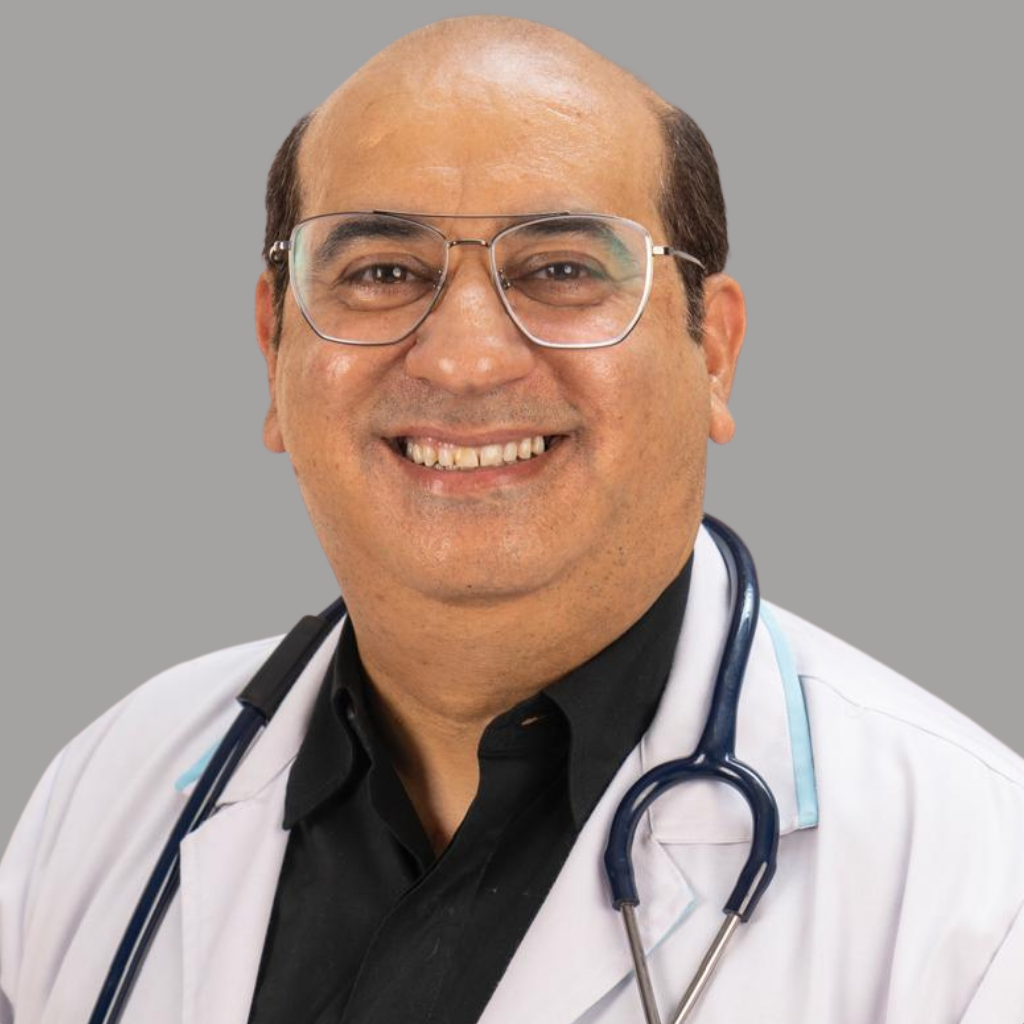
Dr. Yuvraj brings over 27 years of clinical and leadership experience. He contributes to the VivaVel Editorial and Peer Review Panel and is a strong advocate for ethical, evidence-based healthcare. Dr. Yuvraj ensures that VivaVel’s medical content stays accurate, authentic, and patient-centred. His extensive expertise in modern and traditional medicine, along with his Clinical Pharmacology background, helps him communicate complex scientific concepts in accessible ways. This ensures that VivaVel’s content remains trustworthy for readers and patients worldwide.



 Accord Superspeciality Hospital
 Budena Village, Sector 86, Faridabad, Haryana 121002, India
 SHALBY Sanar International Hospitals, Gurugram
Golf Course Rd, Parsvnath Exotica, DLF Phase 5, Sector 53, Gurugram, Haryana Gurgaon, 122022 India
 Max Super Speciality Hospital, Dehradun
Mussoorie, Diversion Road, Dehradun, Uttarakhand 248001

 Kokilaben Dhirubhai Ambani Hospital
Rao Saheb, Achutrao Patwardhan Marg, Four Bungalows, Andheri West Mumbai, 400053 India
 Max Super Specialty Hospital, Gurgaon
B Block, Sushant Lok 1, Near Huda City Centre, MF Husain Marg, Sector 43 Gurgaon, 122001 India
 Dr. Ashwani Kumar Bakhshi
 Director
 Ophthalmologist And Eye Surgeon
 29 Years Experience
 Accord Superspeciality Hospital
Dr. A. K. Bakshi is a distinguished Clinical Ophthalmologist with over 29 years of experience in comprehensive eye care. Currently serving as a Senior Consultant at A...
 Book Consultation
 Dr. Uma MallaiahConsultant
Ophthalmology
23 Years ExperienceFortis La Femme
Dr. Uma MallaiahConsultant
Ophthalmology
23 Years ExperienceFortis La Femme
Dr. Uma Mallaiah is a highly experienced ophthalmologist with 23 years of practice, currently serving patients at Fortis La Femme in Greater Kailash Part 2, Delhi. Sh...
Book Consultation
 Dr. Sameer KaushalHead Of Department
Ophthalmologist And Eye Surgeon
22 Years ExperienceArtemis Hospital
Dr. Sameer KaushalHead Of Department
Ophthalmologist And Eye Surgeon
22 Years ExperienceArtemis Hospital
Dr. Sameer Kaushal is a highly qualified eye surgeon from the prestigious All India Institute of Medical Sciences (AIIMS), New Delhi. After graduating and post-gradua...
Book Consultation
 Dr. Prashaant ChaudhrySenior Consultant & HOD
Ophthalmologist & Refractive Surgeon
21 Years ExperienceAakash Healthcare Super Speciality Hospital, Dwarka
Book Consultation
Dr. Prashaant ChaudhrySenior Consultant & HOD
Ophthalmologist & Refractive Surgeon
21 Years ExperienceAakash Healthcare Super Speciality Hospital, Dwarka
Book Consultation
Treatment Plan & Cost within 2 days














 Bone Marrow Transplant (BMT)
 Columbia Asia Extended Care Hospital
 Dr. Ashu Kumar Jain