Intracorneal ring segments (ICRS) are small, crescent-shaped devices placed inside the cornea, the clear front part of the eye. These rings primarily treat keratoconus, a condition in which the cornea becomes thin and bulges outward, creating a cone-shaped appearance. This change in shape can cause blurred or distorted vision, making it hard to see clearly. Implanting ICRS is relatively quick and is usually performed under local anaesthesia. During the surgery, the doctor makes a small incision in the cornea and inserts the ring segments. These rings help flatten the cornea, improving its shape and allowing light to focus better on the retina.
Patients often notice improvements in their vision after the procedure, which can help reduce the need for glasses or contact lenses. ICRS is an effective option for those with keratoconus, especially in the early to moderate stages of the disease. Recovery is usually quick, with many patients returning to normal activities within a few days. Regular follow-up appointments with an eye doctor are crucial for monitoring the healing process and any vision changes. Overall, ICRS offers a valuable treatment option for individuals with keratoconus, enabling them to regain clearer vision and enhance their quality of life.
Blurred Vision: Difficulty focusing clearly.
Distorted Vision: Objects may appear wavy or bent.
Increased Sensitivity to Light: Bright lights can cause discomfort.
Night Vision Problems: Difficulty seeing in low-light conditions.
Frequent Changes in Prescription Glasses: New glasses are needed more often than usual.

Genetics: A family history may increase the risk.
Environmental Factors: Allergies and eye rubbing may contribute.
Eye Conditions: Other eye diseases can lead to keratoconus.
 Seeing an eye specialist is essential if you experience any of the abovementioned signs and symptoms.
Regular eye exams can help detect keratoconus early, allowing timely intervention.
Family History: If keratoconus runs in your family.
Age: Usually develops in the late teens to early twenties.
Eye Rubbing: Frequent rubbing can worsen the condition.
Other Conditions: Certain diseases, like Down syndrome or Ehlers-Danlos syndrome, can increase risk.
Vision Tests: Assess visual clarity.
Corneal Topography: A specialised camera maps the cornea's shape.
Pachymetry: Measures the thickness of the cornea.
Slit Lamp Examination: Provides a detailed view of the eye's structures.
Do's:
Follow your doctor's instructions carefully.
Use prescribed eye drops as directed.
Attend all follow-up appointments.
Protect your eyes from injury (e.g., wear sunglasses).
Don'ts:
Don't rub your eyes, especially after surgery.
Avoid strenuous activities for a few weeks.
Don't skip follow-up appointments.
Avoid wearing contact lenses until your doctor advises you to do so.
Disclaimer:
Our medical content authors have diligently gathered and synthesized information on this topic to offer valuable insights to our readers. Drawing from a range of reputable medical journals and health resources, this content aims to enhance understanding of the subject. It's essential to remember that while this information is informative, it should not replace personalized consultation or treatment from a qualified healthcare professional. For further details, please refer to our Editorial Policy.
For this topic, our authors used some of the following resources:
National Institutes of Health (.gov) | Intracorneal Ring Segment Implantation
Nature | Effects of intracorneal ring segments implementation
ScienceDirect.com | The role of corneal allogenic intrastromal ring segments
.png)
Saba holds a Master’s degree in Pharmacy from Jamia Hamdard University, New Delhi and possesses a deep understanding of medical subjects. She is an experienced teacher and is passionate about health education. She has a remarkable talent for transforming complex medical concepts into engaging, accurate, and impactful content to inspire healthier living. With a deep scientific understanding and thorough research, Saba consistently supports her writings with the latest publications, ensuring accuracy and relevance.
.png)
Oruge is committed to promoting health awareness through clear, research-based communication. With a background in microbiology and public health, she combines scientific accuracy with an engaging writing style to simplify complex medical topics. At VivaVel Health, she contributes insightful reviews, articles, and blogs that empower readers to make informed decisions for healthier living.



 Accord Superspeciality Hospital
 Budena Village, Sector 86, Faridabad, Haryana 121002, India
 SHALBY Sanar International Hospitals, Gurugram
Golf Course Rd, Parsvnath Exotica, DLF Phase 5, Sector 53, Gurugram, Haryana Gurgaon, 122022 India
 Max Super Speciality Hospital, Dehradun
Mussoorie, Diversion Road, Dehradun, Uttarakhand 248001

 Kokilaben Dhirubhai Ambani Hospital
Rao Saheb, Achutrao Patwardhan Marg, Four Bungalows, Andheri West Mumbai, 400053 India
 Max Super Specialty Hospital, Gurgaon
B Block, Sushant Lok 1, Near Huda City Centre, MF Husain Marg, Sector 43 Gurgaon, 122001 India
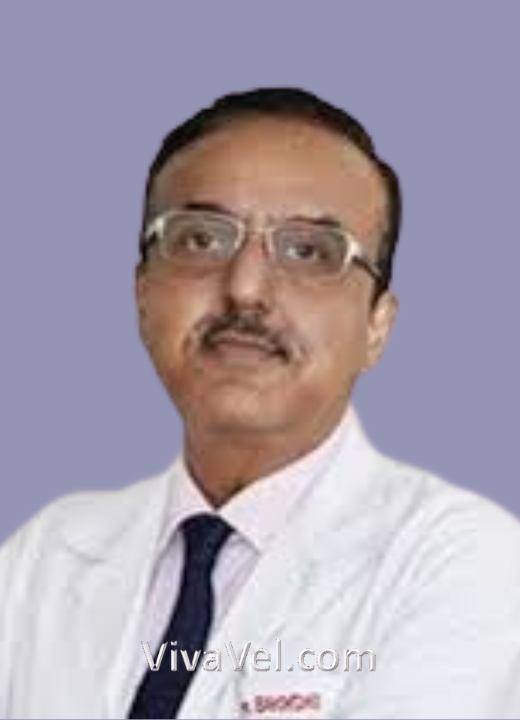
 Dr. Ashwani Kumar Bakhshi
 Director
 Ophthalmologist And Eye Surgeon
 29 Years Experience
 Accord Superspeciality Hospital
Dr. A. K. Bakshi is a distinguished Clinical Ophthalmologist with over 29 years of experience in comprehensive eye care. Currently serving as a Senior Consultant at A...
 Book Consultation
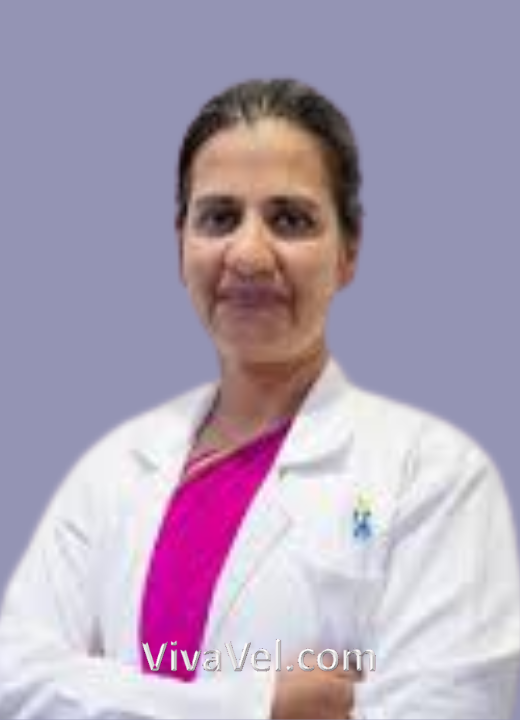 Dr. Uma MallaiahConsultant
Ophthalmology
23 Years ExperienceFortis La Femme
Dr. Uma MallaiahConsultant
Ophthalmology
23 Years ExperienceFortis La Femme
Dr. Uma Mallaiah is a highly experienced ophthalmologist with 23 years of practice, currently serving patients at Fortis La Femme in Greater Kailash Part 2, Delhi. Sh...
Book Consultation
 Dr. Sameer KaushalHead Of Department
Ophthalmologist And Eye Surgeon
22 Years ExperienceArtemis Hospital
Dr. Sameer KaushalHead Of Department
Ophthalmologist And Eye Surgeon
22 Years ExperienceArtemis Hospital
Dr. Sameer Kaushal is a highly qualified eye surgeon from the prestigious All India Institute of Medical Sciences (AIIMS), New Delhi. After graduating and post-gradua...
Book Consultation
 Dr. Prashaant ChaudhrySenior Consultant & HOD
Ophthalmologist & Refractive Surgeon
21 Years ExperienceAakash Healthcare Super Speciality Hospital, Dwarka
Book Consultation
Dr. Prashaant ChaudhrySenior Consultant & HOD
Ophthalmologist & Refractive Surgeon
21 Years ExperienceAakash Healthcare Super Speciality Hospital, Dwarka
Book Consultation
Treatment Plan & Cost within 2 days














 Kidney Transplant
 MedPark International Hospital, Bangkok
 Dr. Ashu Kumar Jain