LASEK (Laser-Assisted Sub-Epithelial Keratectomy) is a modern eye surgery that reshapes the cornea, the clear front part of the eye, to improve vision. This procedure is popular among people with refractive errors such as nearsightedness, farsightedness, and astigmatism.
During LASEK surgery, the doctor uses a special laser to gently remove a thin layer of cells from the surface of the cornea. This allows the laser to reshape the underlying corneal tissue, correcting the vision problem. Unlike other procedures, LASEK preserves more of the corneal surface, which can lead to a faster recovery.
After surgery, patients often experience less discomfort than with traditional LASIK. Recovery time can vary, but many notice improvements in their vision within a few days to a week. Eye drops and protective contact lenses are commonly used to promote healing and reduce discomfort. LASEK is a safe and effective procedure, but it’s important to consult with an eye care professional to see if you are a good candidate. Overall, LASEK provides an opportunity for clearer vision and less dependence on glasses or contact lenses.
 People who are considering LASEK surgery typically have the following vision issues:
Nearsightedness (Myopia): Difficulty seeing distant objects clearly.
Farsightedness (Hyperopia): Trouble seeing close objects.
Astigmatism: Blurred vision caused by an irregularly shaped cornea.
In addition, potential candidates often experience:
Frequent changes in prescription glasses or contact lenses.
Dependence on corrective eyewear.

Refractive errors occur when:
The shape of the eyeball is too long or too short.
The cornea is not curved correctly.
The lens does not focus light correctly.
These conditions are often hereditary but can also be influenced by environmental factors, eye injuries, or diseases.
If you notice significant changes in your vision or have trouble with daily activities because of your eyesight, it's important to seek medical care. An eye specialist will assess your vision and determine if you're a good candidate for LASEK.
Certain factors can increase the risk of complications from LASEK surgery:
Age: Patients should generally be at least 18 years old.
Certain health conditions, such as autoimmune diseases or uncontrolled diabetes.
Thin corneas.
Severe dry eyes.
Previous eye surgeries.
Before LASEK surgery, the following tests may be conducted:
Comprehensive Eye Exam: To assess vision and eye health.
Corneal Thickness Measurement: Ensure the cornea is thick enough for the procedure.
Pupil Size Measurement: To understand how the eyes respond to light.
Wavefront Analysis: To create a detailed cornea map and identify any irregularities.
Do's:
Follow your doctor's pre-surgery instructions carefully.
Use prescribed eye drops as directed.
Attend all follow-up appointments.
Wear sunglasses to protect your eyes from bright light.
Don'ts:
Avoid rubbing your eyes after surgery.
Do not swim or use hot tubs for at least 2 weeks after surgery.
Avoid eye makeup for a week or as advised.
Steer clear of strenuous activities and heavy lifting for a few days.
Disclaimer:
Our medical content authors have diligently gathered and synthesised information on this topic to offer our readers valuable insights. Drawing from a range of reputable medical journals and health resources, this content aims to enhance understanding of the subject. It's essential to remember that while this information is informative, it should not replace personalized consultation or treatment from a qualified healthcare professional. For further details, please refer to our Editorial Policy.
For this topic, our authors used some of the following resources:
Mayo Clinic | LASIK eye surgery
National Institutes of Health (.gov) | Laser In Situ Keratomileusis (LASIK)
.png)
Saba holds a Master’s degree in Pharmacy from Jamia Hamdard University, New Delhi and possesses a deep understanding of medical subjects. She is an experienced teacher and is passionate about health education. She has a remarkable talent for transforming complex medical concepts into engaging, accurate, and impactful content to inspire healthier living. With a deep scientific understanding and thorough research, Saba consistently supports her writings with the latest publications, ensuring accuracy and relevance.
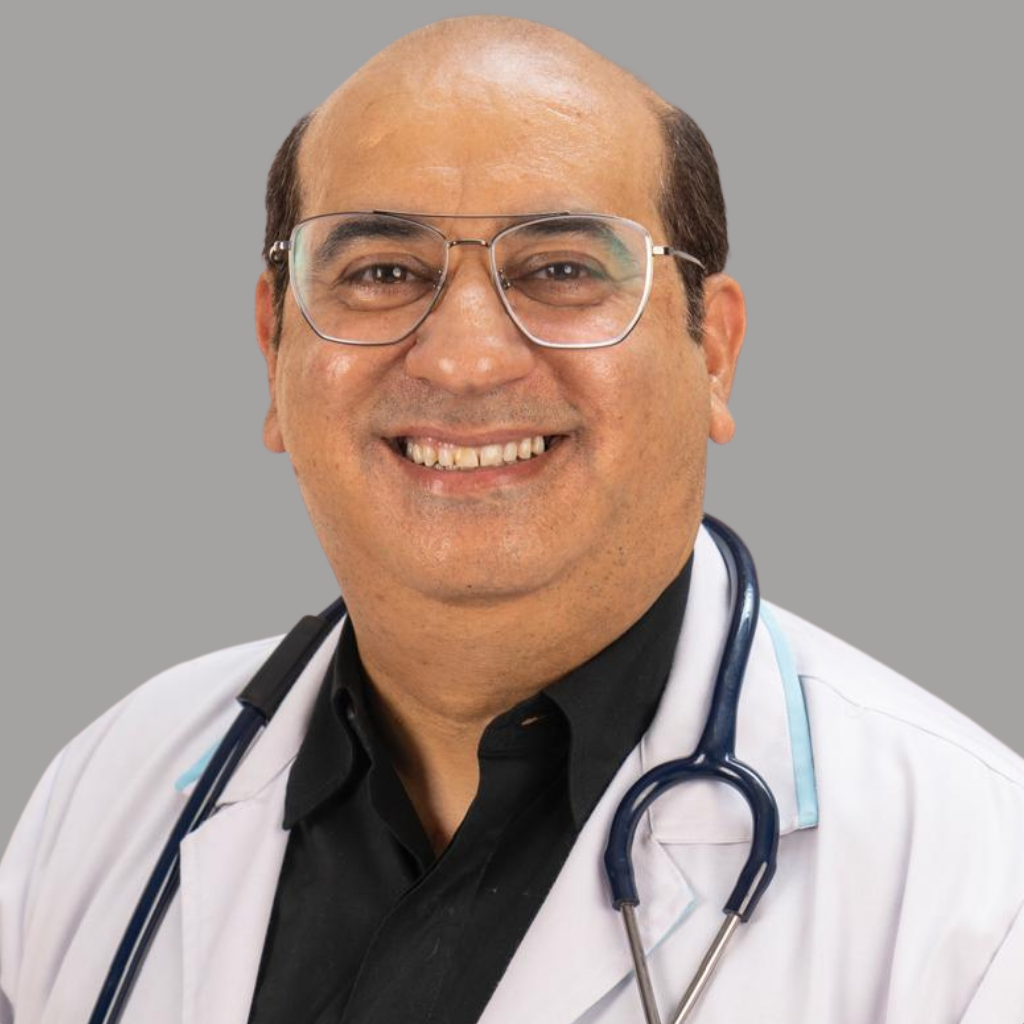
Dr. Yuvraj brings over 27 years of clinical and leadership experience. He contributes to the VivaVel Editorial and Peer Review Panel and is a strong advocate for ethical, evidence-based healthcare. Dr. Yuvraj ensures that VivaVel’s medical content stays accurate, authentic, and patient-centred. His extensive expertise in modern and traditional medicine, along with his Clinical Pharmacology background, helps him communicate complex scientific concepts in accessible ways. This ensures that VivaVel’s content remains trustworthy for readers and patients worldwide.

 Accord Superspeciality Hospital
 Budena Village, Sector 86, Faridabad, Haryana 121002, India
 SHALBY Sanar International Hospitals, Gurugram
Golf Course Rd, Parsvnath Exotica, DLF Phase 5, Sector 53, Gurugram, Haryana Gurgaon, 122022 India
 Max Super Speciality Hospital, Dehradun
Mussoorie, Diversion Road, Dehradun, Uttarakhand 248001
 Kokilaben Dhirubhai Ambani Hospital
Rao Saheb, Achutrao Patwardhan Marg, Four Bungalows, Andheri West Mumbai, 400053 India
 Max Super Specialty Hospital, Gurgaon
B Block, Sushant Lok 1, Near Huda City Centre, MF Husain Marg, Sector 43 Gurgaon, 122001 India
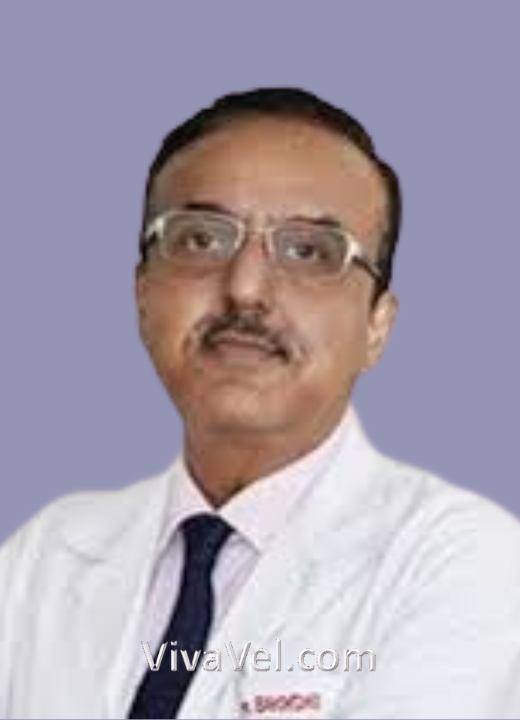
 Dr. Ashwani Kumar Bakhshi
 Director
 Ophthalmologist And Eye Surgeon
 29 Years Experience
 Accord Superspeciality Hospital
Dr. A. K. Bakshi is a distinguished Clinical Ophthalmologist with over 29 years of experience in comprehensive eye care. Currently serving as a Senior Consultant at A...
 Book Consultation
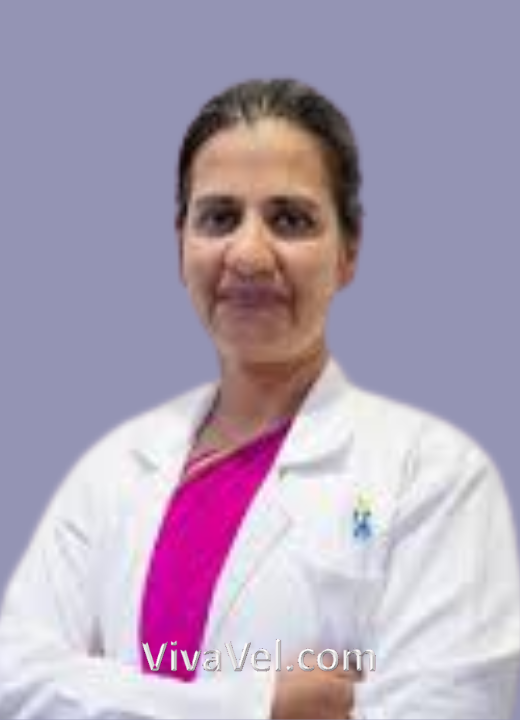 Dr. Uma MallaiahConsultant
Ophthalmology
23 Years ExperienceFortis La Femme
Dr. Uma MallaiahConsultant
Ophthalmology
23 Years ExperienceFortis La Femme
Dr. Uma Mallaiah is a highly experienced ophthalmologist with 23 years of practice, currently serving patients at Fortis La Femme in Greater Kailash Part 2, Delhi. Sh...
Book Consultation
 Dr. Sameer KaushalHead Of Department
Ophthalmologist And Eye Surgeon
22 Years ExperienceArtemis Hospital
Dr. Sameer KaushalHead Of Department
Ophthalmologist And Eye Surgeon
22 Years ExperienceArtemis Hospital
Dr. Sameer Kaushal is a highly qualified eye surgeon from the prestigious All India Institute of Medical Sciences (AIIMS), New Delhi. After graduating and post-gradua...
Book Consultation
 Dr. Prashaant ChaudhrySenior Consultant & HOD
Ophthalmologist & Refractive Surgeon
21 Years ExperienceAakash Healthcare Super Speciality Hospital, Dwarka
Book Consultation
Dr. Prashaant ChaudhrySenior Consultant & HOD
Ophthalmologist & Refractive Surgeon
21 Years ExperienceAakash Healthcare Super Speciality Hospital, Dwarka
Book Consultation
Treatment Plan & Cost within 2 days













 Bone Marrow Transplant (BMT)
 University Hospital Düsseldorf (UKD)
 Dr. Aramwong Thaveelap