Retinal detachment is a serious eye condition that occurs when the retina, a thin layer of tissue at the back of the eye, separates from its normal position. The retina is essential for clear vision as it captures light and transmits visual signals to the brain. When it detaches, vision becomes impaired, potentially leading to blurred vision or even complete vision loss if not promptly addressed. Symptoms of retinal detachment may include sudden flashes of light, the presence of a shadow or curtain over part of your vision, or an increase in floaters (small shapes or spots drifting in your field of view). If you experience any of these symptoms, it is crucial to seek immediate medical attention, as retinal detachment is considered a medical emergency.
The condition can be caused by various factors, such as injury, age-related changes, or diseases that lead to thinning or tearing of the retina. Treatment options range from laser therapy and cryotherapy to surgery aimed at reattaching the retina and restoring vision. Early detection and swift treatment are vital in preventing permanent vision loss. Regular eye examinations are especially important for early detection of retinal detachment, particularly for individuals at higher risk, such as those with high myopia or a family history of the condition.
 It's essential to be aware of the following signs of potential eye issues:
Sudden increase in floaters: You may notice specks or cobweb-like shapes drifting across your field of vision.
Flashes of light: Sudden bursts or flashes of light should be taken seriously, especially in your peripheral (side) vision.
Shadow or curtain effect: If you experience a dark shadow or curtain moving across your vision from the sides or the top, seek medical advice.
Blurred vision: Any sudden blurriness or distortion, or difficulty seeing fine details, should not be ignored.
Loss of peripheral vision: If you notice a loss of side vision, making it feel like you're looking through a narrow tube, it's crucial to get it checked out.
1. Ageing: The primary reason is the contraction of the vitreous, a gel-like substance within the eye, which can pull the retina away.
2. Eye injuries: Damage or trauma to the eye can result in the detachment of the retina.
3. High myopia (nearsightedness): Individuals with severe nearsightedness have an elongated eyeball, increasing their susceptibility to detachment.
4. Previous eye surgeries: Procedures such as cataract removal can occasionally lead to retinal detachment.
5. Family history: Genetic factors can also contribute to the condition.
If you notice any of the symptoms described above, such as sudden flashes of light, floaters in your vision, or a curtain-like shadow over your visual field, please consult a doctor. In such cases, it is of the utmost importance to seek immediate medical attention from an ophthalmologist (an eye doctor). Retinal detachment is a serious medical emergency that requires prompt treatment to prevent irreversible vision impairment. Early diagnosis and intervention are critical in minimizing the risk of permanent vision loss.
Ageing (commonly occurs in people over 50 years)
Previous retinal detachment in the other eye
Family history of retinal detachment
Extreme nearsightedness (high myopia)
Previous eye surgery (e.g., cataract removal)
Eye trauma or injury
Diabetic retinopathy (eye disease caused by diabetes)
Pre-existing eye conditions, such as lattice degeneration (a type of thinning of the retina)
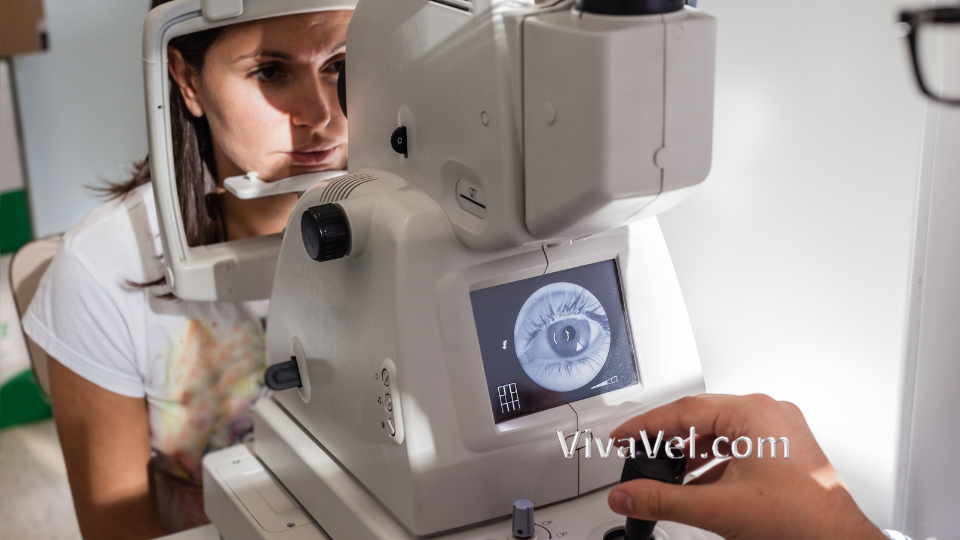
Eye examination: An ophthalmologist will examine your eye using special equipment to view the retina and detect any detachments or tears.
Ultrasound: If the inside of the eye is not clearly visible due to bleeding or other factors, an ultrasound may be performed to get a clearer picture of the retina.
Optical Coherence Tomography (OCT): This imaging test produces detailed cross-sectional images of the retina, aiding in diagnosis.
Do's:
Seek immediate medical attention if you notice any symptoms.
Follow your doctor's treatment plan and post-surgical instructions.
Attend regular eye check-ups, especially if you have risk factors.
Protect your eyes from injuries, especially during sports or high-risk activities.
Maintain good blood sugar levels if you have diabetes.
Don'ts:
Don't ignore symptoms like flashes or floaters.
Avoid activities that could strain your eyes or lead to injury, such as heavy lifting or contact sports.
Avoid rubbing your eyes or applying pressure to them.
Avoid flying or high-altitude activities without consulting your doctor after treatment, as changes in pressure can affect the eye.
Disclaimer:
Our medical content authors have diligently gathered and synthesized information on this topic to offer valuable insights to our readers. Drawing from a range of reputable medical journals and health resources, this content aims to enhance understanding of the subject. It's essential to remember that while this information is informative, it should not replace personalized consultation or treatment from a qualified healthcare professional. For further details, please refer to our Editorial Policy.
For this topic, our authors used some of the following resources:
Cleveland Clinic | Retinal Detachment: Symptoms & Causes
Mayo Clinic | Retinal detachment - Symptoms and causes
.png)
Saba holds a Master’s degree in Pharmacy from Jamia Hamdard University, New Delhi and possesses a deep understanding of medical subjects. She is an experienced teacher and is passionate about health education. She has a remarkable talent for transforming complex medical concepts into engaging, accurate, and impactful content to inspire healthier living. With a deep scientific understanding and thorough research, Saba consistently supports her writings with the latest publications, ensuring accuracy and relevance.
.png)
Oruge is committed to promoting health awareness through clear, research-based communication. With a background in microbiology and public health, she combines scientific accuracy with an engaging writing style to simplify complex medical topics. At VivaVel Health, she contributes insightful reviews, articles, and blogs that empower readers to make informed decisions for healthier living.




 Accord Superspeciality Hospital
 Budena Village, Sector 86, Faridabad, Haryana 121002, India
 SHALBY Sanar International Hospitals, Gurugram
Golf Course Rd, Parsvnath Exotica, DLF Phase 5, Sector 53, Gurugram, Haryana Gurgaon, 122022 India
 Max Super Speciality Hospital, Dehradun
Mussoorie, Diversion Road, Dehradun, Uttarakhand 248001
 Kokilaben Dhirubhai Ambani Hospital
Rao Saheb, Achutrao Patwardhan Marg, Four Bungalows, Andheri West Mumbai, 400053 India
 Max Super Specialty Hospital, Gurgaon
B Block, Sushant Lok 1, Near Huda City Centre, MF Husain Marg, Sector 43 Gurgaon, 122001 India
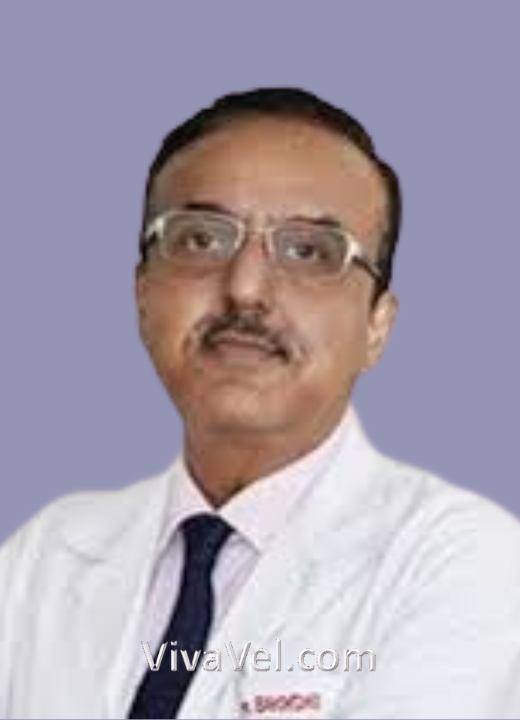
 Dr. Ashwani Kumar Bakhshi
 Director
 Ophthalmologist And Eye Surgeon
 29 Years Experience
 Accord Superspeciality Hospital
Dr. A. K. Bakshi is a distinguished Clinical Ophthalmologist with over 29 years of experience in comprehensive eye care. Currently serving as a Senior Consultant at A...
 Book Consultation
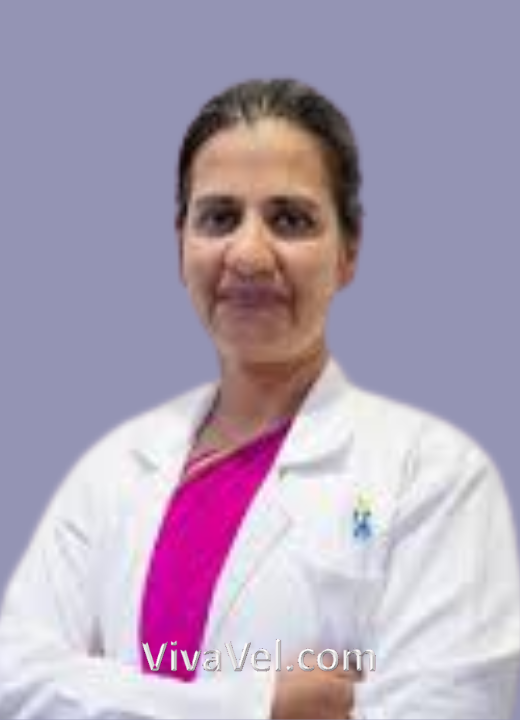 Dr. Uma MallaiahConsultant
Ophthalmology
23 Years ExperienceFortis La Femme
Dr. Uma MallaiahConsultant
Ophthalmology
23 Years ExperienceFortis La Femme
Dr. Uma Mallaiah is a highly experienced ophthalmologist with 23 years of practice, currently serving patients at Fortis La Femme in Greater Kailash Part 2, Delhi. Sh...
Book Consultation
 Dr. Sameer KaushalHead Of Department
Ophthalmologist And Eye Surgeon
22 Years ExperienceArtemis Hospital
Dr. Sameer KaushalHead Of Department
Ophthalmologist And Eye Surgeon
22 Years ExperienceArtemis Hospital
Dr. Sameer Kaushal is a highly qualified eye surgeon from the prestigious All India Institute of Medical Sciences (AIIMS), New Delhi. After graduating and post-gradua...
Book Consultation
 Dr. Prashaant ChaudhrySenior Consultant & HOD
Ophthalmologist & Refractive Surgeon
21 Years ExperienceAakash Healthcare Super Speciality Hospital, Dwarka
Book Consultation
Dr. Prashaant ChaudhrySenior Consultant & HOD
Ophthalmologist & Refractive Surgeon
21 Years ExperienceAakash Healthcare Super Speciality Hospital, Dwarka
Book Consultation
Treatment Plan & Cost within 2 days














 Multiple Myeloma Treatment
 Kokilaben Dhirubhai Ambani Hospital
 Dr. Anjila Aneja