Astigmatism is a common eye condition that affects how your eye focuses light, causing blurred or distorted vision. It happens when the cornea (the clear front part of the eye) or the lens inside the eye is not perfectly round. Instead of being evenly curved, the surface is irregular, causing light to bend unevenly as it enters the eye. When this happens, light doesn't focus properly on the retina, the light-sensitive layer at the back of the eye. As a result, images appear blurry, whether you're looking at something close or far away. Many people with astigmatism also experience headaches, eye strain, or difficulty seeing at night.
Astigmatism can occur alongside other vision problems, such as nearsightedness or farsightedness. It is usually detected during a routine eye exam. Treatment options include corrective glasses, contact lenses, or laser surgery to reshape the cornea. Living with astigmatism can be challenging, but most people enjoy clear vision with proper treatment. Regular eye check-ups can help manage this condition and improve your eyesight effectively.
 People with astigmatism may experience:
Blurred or distorted vision: Both near and far objects can appear blurry.
Eye strain: The eyes may feel tired, especially after reading or using screens.
Headaches: Especially after prolonged visual tasks.
Squinting: People may squint to see more clearly.
Difficulty seeing at night, especially while driving.
Frequent changes in eyeglass prescriptions: Vision may change more frequently than usual.

Astigmatism occurs when the cornea or lens has an uneven shape. Usually, the cornea is round like a basketball. Still, in people with astigmatism, it may be more football-shaped, causing vision problems.
The exact cause of astigmatism isn't always clear, but common causes include:
Genetics: Astigmatism often runs in families.
Eye injuries: Trauma to the eye can cause irregularities in the cornea.
Eye surgery: Certain procedures, such as cataract surgery, may induce astigmatism.
Keratoconus: A condition where the cornea becomes thin and cone-shaped.
You should see an eye doctor if you:
Experience blurred vision that doesn't improve with rest.
Have frequent headaches or eye strain.
Notice changes in your vision.
Find it hard to see clearly at night while driving.
Are constantly squinting or struggling to focus on objects.
Several factors increase the likelihood of developing astigmatism:
Family history: If others in your family have it, you're also more likely to.
Nearsightedness (myopia) or farsightedness (hyperopia): You may develop astigmatism in combination with other vision issues.
Eye injury or surgery: Previous eye trauma can lead to the development of astigmatism.
Keratoconus: This condition causes the cornea to thin and bulge and is associated with severe astigmatism.
Your eye doctor can diagnose astigmatism with a few simple tests:
Vision test: Reading letters on an eye chart helps assess how well you see.
Refraction test: Lenses are placed in front of your eyes to determine which gives you the clearest vision.
Keratometry: A device that measures the curvature of your cornea to identify irregularities.
Corneal topography: This test creates a 3D map of your cornea's surface.
Do's:
Get regular eye check-ups: Early detection helps with effective treatment.
Wear your prescribed glasses or contact lenses: This helps improve your vision and prevent strain.
Consider eye-friendly habits: Take frequent breaks when using digital devices, and follow the 20-20-20 rule (look 20 feet away for 20 seconds every 20 minutes).
Maintain a healthy diet: Foods rich in vitamins A, C, and E are good for eye health.
Don'ts:
Avoid eye strain: Don't stare at screens for too long without breaks.
Don't ignore symptoms: Blurry vision, eye strain, or frequent headaches should not be ignored.
Don't skip eye exams: Regular check-ups can catch vision changes early.
Avoid rubbing your eyes: It can worsen astigmatism or cause infections.
Disclaimer:
Our medical content authors have diligently gathered and synthesized information on this topic to offer valuable insights to our readers. Drawing from a range of reputable medical journals and health resources, this content aims to enhance understanding of the subject. It's essential to remember that while this information is informative, it should not replace personalized consultation or treatment from a qualified healthcare professional. For further details, please refer to our Editorial Policy.
For this topic, our authors used some of the following resources:
Mayo Clinic | Astigmatism - Diagnosis & treatment
Cleveland Clinic | Astigmatism: Symptoms, Tests & Treatment
National Institutes of Health (.gov) | Astigmatism Correction
American Academy of Ophthalmology | Astigmatism Explained: Causes, Diagnosis, Treatment
.png)
Saba holds a Master’s degree in Pharmacy from Jamia Hamdard University, New Delhi and possesses a deep understanding of medical subjects. She is an experienced teacher and is passionate about health education. She has a remarkable talent for transforming complex medical concepts into engaging, accurate, and impactful content to inspire healthier living. With a deep scientific understanding and thorough research, Saba consistently supports her writings with the latest publications, ensuring accuracy and relevance.
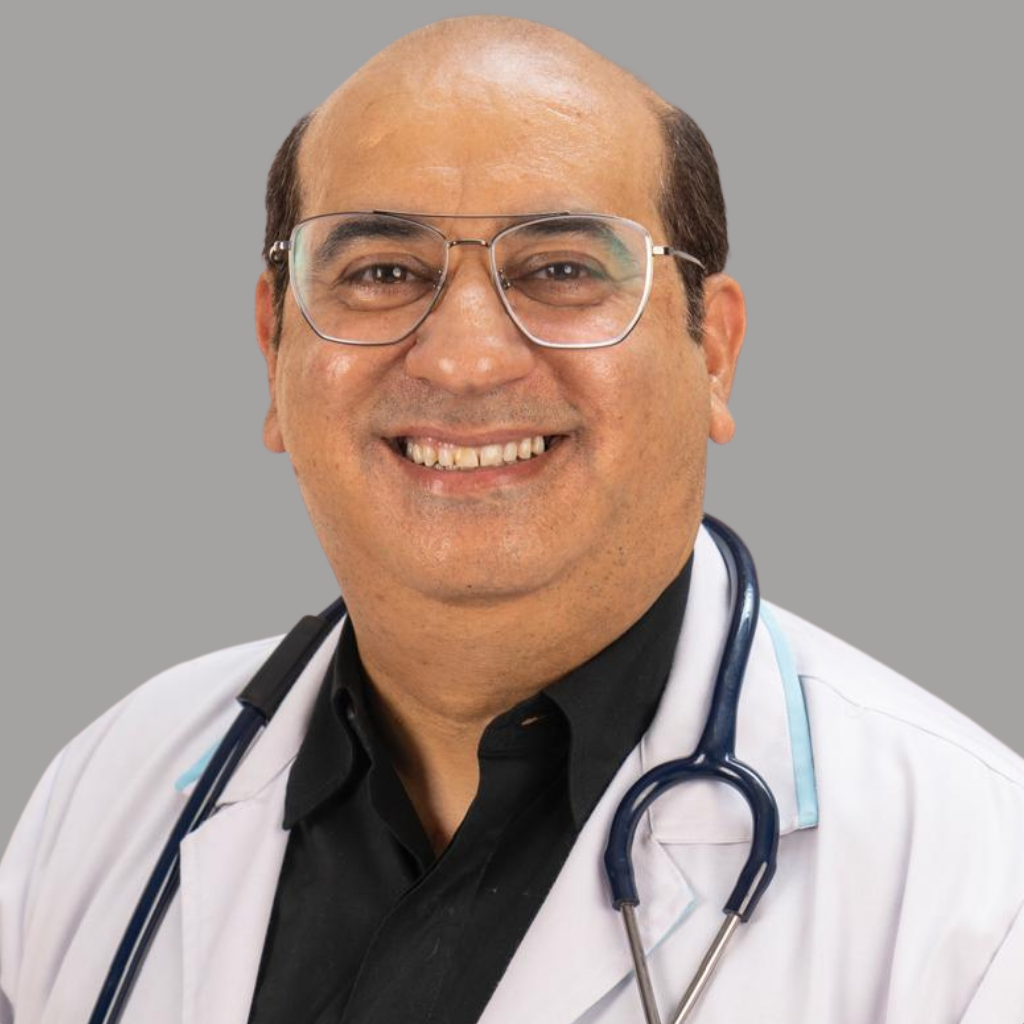
Dr. Yuvraj brings over 27 years of clinical and leadership experience. He contributes to the VivaVel Editorial and Peer Review Panel and is a strong advocate for ethical, evidence-based healthcare. Dr. Yuvraj ensures that VivaVel’s medical content stays accurate, authentic, and patient-centred. His extensive expertise in modern and traditional medicine, along with his Clinical Pharmacology background, helps him communicate complex scientific concepts in accessible ways. This ensures that VivaVel’s content remains trustworthy for readers and patients worldwide.




 Accord Superspeciality Hospital
 Budena Village, Sector 86, Faridabad, Haryana 121002, India
 SHALBY Sanar International Hospitals, Gurugram
Golf Course Rd, Parsvnath Exotica, DLF Phase 5, Sector 53, Gurugram, Haryana Gurgaon, 122022 India
 Max Super Speciality Hospital, Dehradun
Mussoorie, Diversion Road, Dehradun, Uttarakhand 248001

 Kokilaben Dhirubhai Ambani Hospital
Rao Saheb, Achutrao Patwardhan Marg, Four Bungalows, Andheri West Mumbai, 400053 India
 Max Super Specialty Hospital, Gurgaon
B Block, Sushant Lok 1, Near Huda City Centre, MF Husain Marg, Sector 43 Gurgaon, 122001 India

 Dr. Ashwani Kumar Bakhshi
 Director
 Ophthalmologist And Eye Surgeon
 29 Years Experience
 Accord Superspeciality Hospital
Dr. A. K. Bakshi is a distinguished Clinical Ophthalmologist with over 29 years of experience in comprehensive eye care. Currently serving as a Senior Consultant at A...
 Book Consultation
 Dr. Uma MallaiahConsultant
Ophthalmology
23 Years ExperienceFortis La Femme
Dr. Uma MallaiahConsultant
Ophthalmology
23 Years ExperienceFortis La Femme
Dr. Uma Mallaiah is a highly experienced ophthalmologist with 23 years of practice, currently serving patients at Fortis La Femme in Greater Kailash Part 2, Delhi. Sh...
Book Consultation
 Dr. Sameer KaushalHead Of Department
Ophthalmologist And Eye Surgeon
22 Years ExperienceArtemis Hospital
Dr. Sameer KaushalHead Of Department
Ophthalmologist And Eye Surgeon
22 Years ExperienceArtemis Hospital
Dr. Sameer Kaushal is a highly qualified eye surgeon from the prestigious All India Institute of Medical Sciences (AIIMS), New Delhi. After graduating and post-gradua...
Book Consultation
 Dr. Prashaant ChaudhrySenior Consultant & HOD
Ophthalmologist & Refractive Surgeon
21 Years ExperienceAakash Healthcare Super Speciality Hospital, Dwarka
Book Consultation
Dr. Prashaant ChaudhrySenior Consultant & HOD
Ophthalmologist & Refractive Surgeon
21 Years ExperienceAakash Healthcare Super Speciality Hospital, Dwarka
Book Consultation
Treatment Plan & Cost within 2 days














 IVF Treatments
 Thomson Medical Centre, Singapore
 Dr. Col V Hariharan