Skin cancer is a condition where skin cells grow uncontrollably, forming tumours. This type of cancer usually develops in areas of the skin exposed to the sun, such as the face, neck, and arms. However, it can also occur in the regions that rarely see sunlight, such as the palms of the hands or the soles of the feet. There are different types of skin cancer, with the most common being basal cell carcinoma, squamous cell carcinoma, and melanoma. Basal cell carcinoma often appears as a small, shiny bump, whereas squamous cell carcinoma may resemble a red, scaly patch. Melanoma is more severe and can appear as a dark mole or spot that changes in size or colour.
Excessive sun exposure, tanning beds, and fair skin tone are risk factors for skin cancer. Protecting your skin with sunscreen, wearing hats, and avoiding the sun during peak hours can reduce your risk. Regular skin checks are important to spot any unusual changes early.
If you notice any new or changing spots on your skin, it's important to see a doctor immediately. Early detection and treatment can lead to better outcomes for patients with skin cancer.
 Common signs and symptoms of skin cancer include:
New growths: A mole or spot that appears for the first time.
Changes in existing moles: Moles that change in size, shape, or colour.
Itching or tenderness: Itchy, painful, or tender areas.
Ulcers or sores: Sores that do not heal or bleed easily.
Scaly patches: Red, scaly patches that can be itchy or tender.
Note: Regularly checking your skin for any unusual changes is essential.
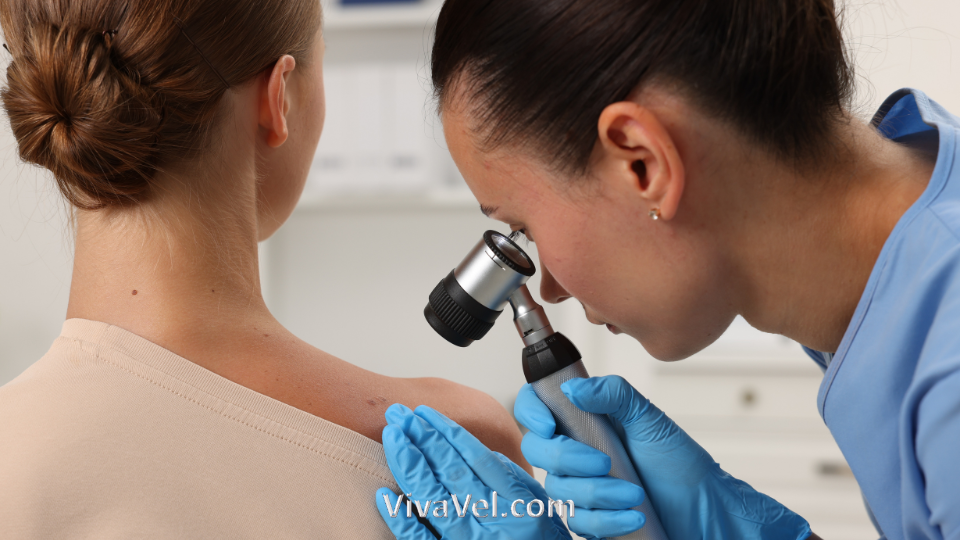
Skin cancer mainly results from damage to skin cells. The key factors include:
UV radiation: The sun's ultraviolet (UV) rays are the leading cause of skin cancer.
Tanning beds: Artificial UV light from tanning beds can also harm skin.
Genetic factors: A family history of skin cancer can raise the risk.
Weakened immune system: Individuals with compromised immune systems face a higher risk.
Exposure to chemicals: Certain chemicals, like arsenic, can elevate skin cancer risk.
You should see a doctor if you notice:
A mole or spot that changes in colour, shape, or size.
New growths on your skin that are concerning.
A sore that does not heal.
Any unusual skin changes, especially if accompanied by pain or bleeding.
Skin cancer risk can be higher if you have fair skin, freckles, red or blonde hair, spend a lot of time in the sun (especially in hot climates or if you’ve had many sunburns), get older as sun damage builds up over the years, have had skin cancer before, or if it runs in your family.
To diagnose skin cancer, doctors may perform:
Physical Exam: A thorough examination of the skin and other external body parts.
Skin Biopsy: A small sample of the suspicious skin is removed and examined under a microscope to check for cancer cells.
Imaging Tests: If the cancer is suspected to have spread, imaging tests (such as CT or MRI scans) may be used in some cases.
Do's:
Regular skin checks: Monitor your skin for any changes or new growths.
Wear sunscreen: Use a broad-spectrum sunscreen with SPF 30 or higher, even on cloudy days.
Avoid tanning beds: Stay away from artificial sources of UV light.
Follow your doctor's advice: Attend follow-up appointments and adhere to treatment plans.
Don'ts:
Don't ignore skin changes: Always get suspicious spots checked by a doctor.
Avoid excessive sun exposure: Wear protective clothing.
Don't use tanning products: They can increase your risk of skin cancer over time.
Don't skip follow-ups: Keep regular appointments with your healthcare provider.
Disclaimer:
Our medical content authors have diligently gathered and synthesized information on this topic to offer valuable insights to our readers. Drawing from a range of reputable medical journals and health resources, this content aims to enhance understanding of the subject. It's essential to remember that while this information is informative, it should not replace personalized consultation or treatment from a qualified healthcare professional. For further details, please refer to our Editorial Policy.
For this topic, our authors used some of the following resources:
Mayo Clinic | Skin cancer - Symptoms and causes
Cleveland Clinic | Skin Cancer: Symptoms, Types & Treatment
American Academy of Dermatology | Types of skin cancer
American Cancer Society | Skin Cancer Images | What Does Skin Cancer Look Like?
.png)
Saba holds a Master’s degree in Pharmacy from Jamia Hamdard University, New Delhi and possesses a deep understanding of medical subjects. She is an experienced teacher and is passionate about health education. She has a remarkable talent for transforming complex medical concepts into engaging, accurate, and impactful content to inspire healthier living. With a deep scientific understanding and thorough research, Saba consistently supports her writings with the latest publications, ensuring accuracy and relevance.
.png)
Oruge is committed to promoting health awareness through clear, research-based communication. With a background in microbiology and public health, she combines scientific accuracy with an engaging writing style to simplify complex medical topics. At VivaVel Health, she contributes insightful reviews, articles, and blogs that empower readers to make informed decisions for healthier living.

 BLK-MAX Super Specialty Hospital
 Pusa Road, Radha Soami Satsang, Rajendra Place New Delhi, 110005 India
 Accord Superspeciality Hospital
Budena Village, Sector 86, Faridabad, Haryana 121002, India
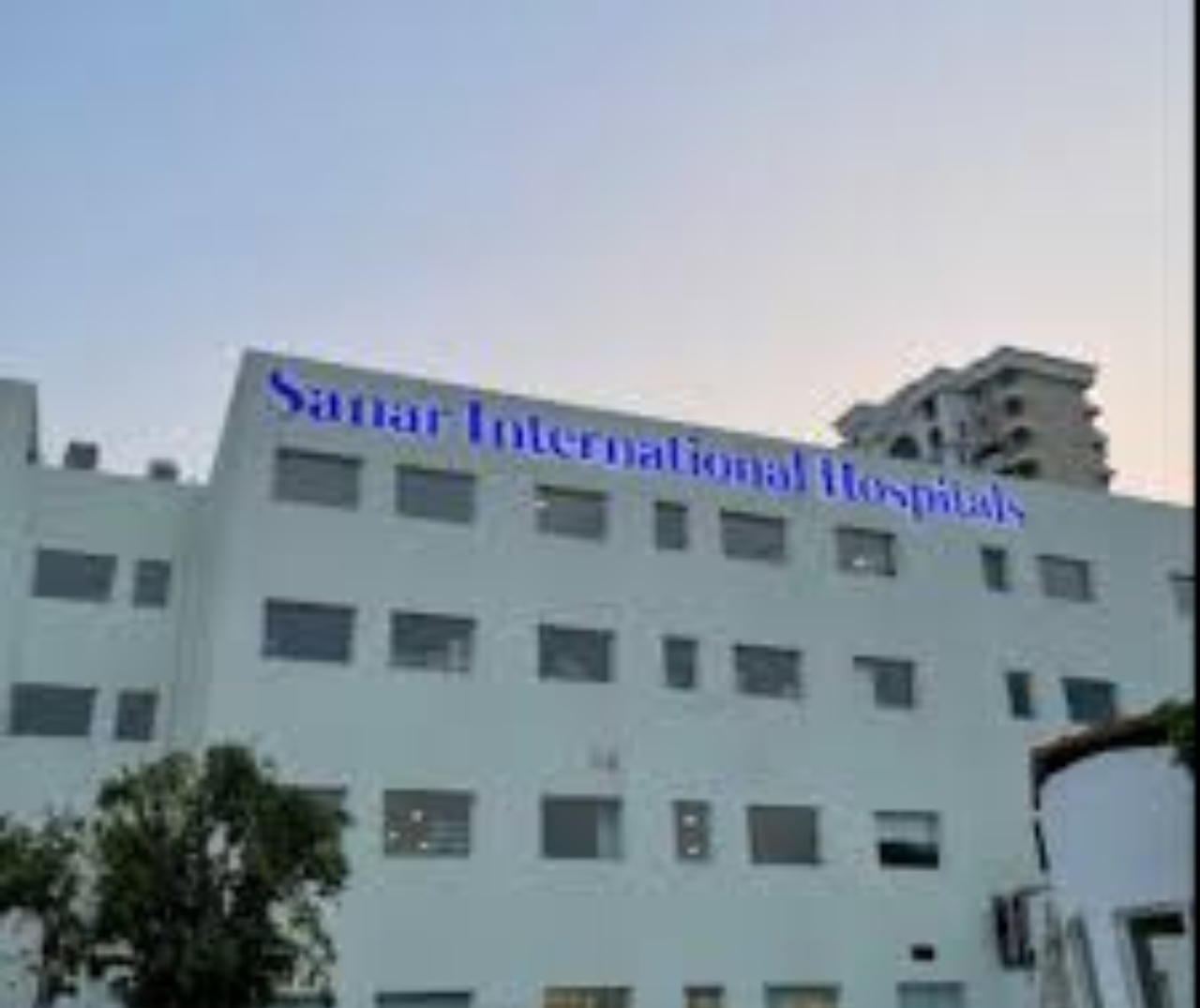 SHALBY Sanar International Hospitals, Gurugram
Golf Course Rd, Parsvnath Exotica, DLF Phase 5, Sector 53, Gurugram, Haryana Gurgaon, 122022 India
 PARAS Health, Gurugram
C-1, Sushant Lok- 1, Sector-43, Phase- I, Gurugram, Haryana, 122002
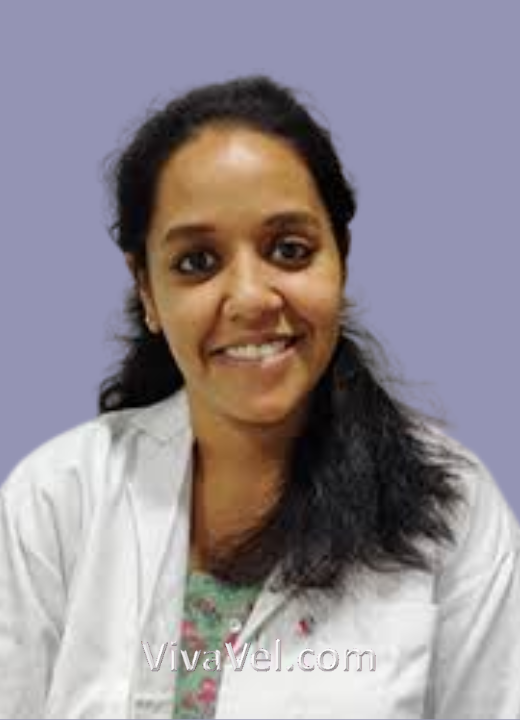
 Dr. Pooja Agarwal
 Consultant (Visiting) – Breast Surgery
 General Surgeon
 10 Years Experience
 Manipal Hospital (E.M. Bypass), Kolkata
Dr. Pooja Agarwal stands out as one of the oncologists in Kolkata, specializing in breast cancer surgery. With over 10 years of experience, she has earned a reputatio...
 Book Consultation
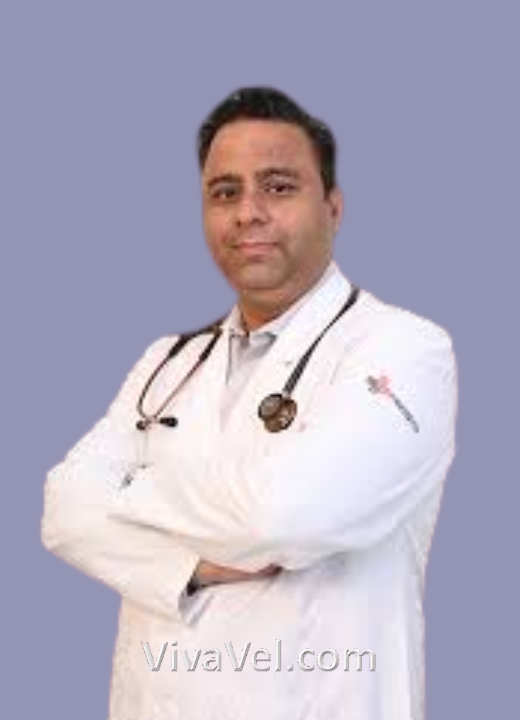 Dr. Harshvardhan AtreyaMedical Oncology
Medical Oncology, Cancer Care
19 Years ExperienceMedanta Super Speciality Hospital, Lucknow
Dr. Harshvardhan AtreyaMedical Oncology
Medical Oncology, Cancer Care
19 Years ExperienceMedanta Super Speciality Hospital, Lucknow
Dr. Harsh Vardhan Atreya is a prominent Consultant Medical & Hemato-Oncologist specializing in Bone Marrow Transplantation. With training from esteemed institutio...
Book Consultation
 Dr. Imran KhanAssociate Consultant
Oncology | Medical Oncology
12 Years ExperienceFortis Escorts Heart Institute
Dr. Imran KhanAssociate Consultant
Oncology | Medical Oncology
12 Years ExperienceFortis Escorts Heart Institute
Dr. Imran Khan has joined Fortis Escorts in Okhla Road, New Delhi, as an Associate Consultant in Medical Oncology. He brings over 12 years of experience in oncology. ...
Book Consultation
 Dr. Harit ChaturvediChairman - Max Institute Of Cancer Care
Cancer Care / Oncology, Thoracic Oncolog...
33 Years ExperienceMax Super Speciality Hospital, Saket
Dr. Harit ChaturvediChairman - Max Institute Of Cancer Care
Cancer Care / Oncology, Thoracic Oncolog...
33 Years ExperienceMax Super Speciality Hospital, Saket
Dr. Harit K Chaturvedi heads the Max Institute of Cancer Care. He has been with Max Healthcare since 2009 and has worked hard to create one of the best cancer treatme...
Book Consultation
 Dr. Asit AroraSenior Director
Surgical Oncologist | Gastrointestinal &...
20 Years ExperienceMax Super Speciality Hospital, Saket
Dr. Asit AroraSenior Director
Surgical Oncologist | Gastrointestinal &...
20 Years ExperienceMax Super Speciality Hospital, Saket
Dr. Asit Arora is a highly regarded Surgical Gastroenterologist specializing in Gastrointestinal and Hepat-pancreato-biliary (HPB) surgery. He is based in the Delhi N...
Book Consultation
 Dr. Nikhil AgrawalSenior Director
Cancer Care / Oncology, Surgical Oncolog...
21 Years ExperienceMax Super Speciality Hospital, Saket
Dr. Nikhil AgrawalSenior Director
Cancer Care / Oncology, Surgical Oncolog...
21 Years ExperienceMax Super Speciality Hospital, Saket
Dr. Nikhil Agrawal is a distinguished Gastrointestinal (GI) and Hepato-Pancreato-Biliary (HPB) Surgical Oncologist, serving as the Director of GI-HPB Surgery and Oncology at ...
Book Consultation
Treatment Plan & Cost within 2 days
















 Heart Bypass Surgery (CABG)
 Mount Elizabeth Hospital
 Dr. Akhilesh Srivastava