A pancreas transplant is a surgical procedure where a healthy pancreas from a donor is transplanted into a person whose pancreas is no longer working correctly. The pancreas is an organ behind the stomach that helps with digestion and blood sugar control by producing insulin. This type of transplant is most commonly done to treat people with type 1 diabetes who cannot manage their condition with insulin therapy alone.
A healthy pancreas is taken from a donor who has died and given to someone whose pancreas isn't working.
After the transplant, the new pancreas will produce insulin, helping the patient maintain normal blood sugar levels.
 People may need a pancreas transplant if they experience:
Uncontrolled blood sugar levels, even with insulin therapy.
Severe kidney damage (often done alongside a kidney transplant).
Frequent insulin reactions, also known as hypoglycemia (low blood sugar).
Nerve damage or other complications due to diabetes.
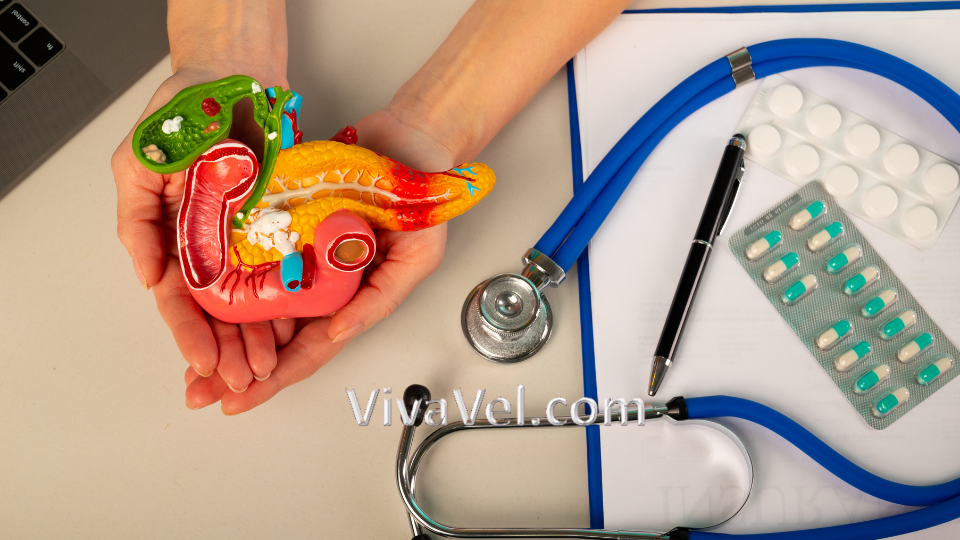
Causes for Needing a Pancreas Transplant:
Type 1 diabetes: In this autoimmune disease, the body attacks the insulin-producing cells of the pancreas.
Kidney failure: Advanced kidney disease due to diabetes often requires a combined kidney and pancreas transplant.
If someone has severe type 1 diabetes and faces complications like:
Severe low blood sugar episodes (hypoglycemia).
Difficulty managing blood sugar with insulin therapy.
Severe complications, like kidney failure, nerve damage, or vision problems.
Age: Older individuals may face higher surgical risks. Chronic conditions such as heart disease, lung disease, or infections can increase these risks.
Rejection: The body might reject a new organ, necessitating immunosuppressant medications.
Blood tests to measure kidney and liver function.
Imaging tests such as CT scans and MRIs are used to evaluate organ health.
Blood glucose monitoring to assess diabetes control.
Do's:
Take medications: Immunosuppressants to prevent rejection.
Attend regular follow-ups: To monitor the health and function of the new pancreas.
Eat a healthy diet: Balanced meals that promote healing and overall health.
Stay active: Engage in light physical activities once cleared by the doctor.
Don'ts:
Avoid skipping medications: Missing doses can lead to organ rejection.
Avoid heavy lifting or strenuous activities immediately after surgery.
Avoid infections: Avoid large crowds and people who are sick, as immunosuppressants weaken the immune system.
Disclaimer:
Our medical content authors have diligently gathered and synthesized information on this topic to offer valuable insights to our readers. Drawing from a range of reputable medical journals and health resources, this content aims to enhance understanding of the subject. It's essential to remember that while this information is informative, it should not replace personalized consultation or treatment from a qualified healthcare professional. For further details, please refer to our Editorial Policy.
For this topic, our authors used some of the following resources:
Mayo Clinic | Pancreas transplant
National Institutes of Health (.gov) | Pancreas Transplantation
NHS Blood and Transplant | Pancreas - Organ transplantation
Johns Hopkins Medicine | Pancreas Transplantation
Cleveland Clinic | Kidney-Pancreas Transplant: Procedure, Risks & Recovery
.png)
Saba holds a Master’s degree in Pharmacy from Jamia Hamdard University, New Delhi and possesses a deep understanding of medical subjects. She is an experienced teacher and is passionate about health education. She has a remarkable talent for transforming complex medical concepts into engaging, accurate, and impactful content to inspire healthier living. With a deep scientific understanding and thorough research, Saba consistently supports her writings with the latest publications, ensuring accuracy and relevance.
.png)
Oruge is committed to promoting health awareness through clear, research-based communication. With a background in microbiology and public health, she combines scientific accuracy with an engaging writing style to simplify complex medical topics. At VivaVel Health, she contributes insightful reviews, articles, and blogs that empower readers to make informed decisions for healthier living.

 Apollo Gleneagles Hospital, Kolkata
 58, Canal Circular Road, Kadapara Kolkata, 700054, India

 Marengo Asia Hospital, Faridabad
Plot No.1, HUDA Staff Colony, Sector 16, Faridabad, Haryana 121002
 Sterling Hospital, Ahmedabad
Sterling Hospital Road near Maharaja Agrasen Vidhyalaya, Memnagar, Ahmedabad, 380052 India
 MGM Healthcare, Chennai
New No 72, Old No 54 Nelson Manickam Road, Aminjikarai Chennai, 600029 India
 Dr. Rela Institute and Medical Centre
No.7, CLC Works Road, Chromepet, Chennai, 600044, India
 Naruvi Hospitals
Chennai - Bengaluru Highway, 72, Collector's Office Rd, Vellore, Tamil Nadu 632004
 Dr. Ram Chandra Soni
 Chairman
 Gastroenterology & Hepatology
 22 Years Experience
 Accord Superspeciality Hospital
Dr. Ram Chandra Soni is one of the leading Gastroenterologists in Faridabad, India. He has vast experience in Advanced Interventional Endoscopy and Gastroenterology. ...
 Book Consultation
 Dr. Pradeepta K SethyDirector Of Gastroenterology Department,...
Medical Gastroenterologist
23 Years ExperienceManipal Hospital (E.M. Bypass), Kolkata
Dr. Pradeepta K SethyDirector Of Gastroenterology Department,...
Medical Gastroenterologist
23 Years ExperienceManipal Hospital (E.M. Bypass), Kolkata
Dr. Pradeepta Kumar Sethy is a highly experienced gastroenterologist with over 23 years in the field, currently serving as the Director of the Gastroenterology Department at ...
Book Consultation
 Dr. Nidhi RawalConsultant
Pediatric Gastroenterologist
13 Years ExperienceMadhukar Rainbow Children's Hospital
Dr. Nidhi RawalConsultant
Pediatric Gastroenterologist
13 Years ExperienceMadhukar Rainbow Children's Hospital
Dr. Nidhi Rawal is a highly regarded Pediatric Gastroenterologist and Hepatologist based in New Delhi. She has 11 years of experience in her field. She specia...
Book Consultation
 Dr. Vivek VijChairman
Gastroenterology And Hepatobiliary Scien...
25 Years ExperienceFortis Memorial Research Institute (FMRI)
Dr. Vivek VijChairman
Gastroenterology And Hepatobiliary Scien...
25 Years ExperienceFortis Memorial Research Institute (FMRI)
Dr. Vivek Vij is an accomplished liver transplant surgeon credited with developing living donor surgery and implementing safety protocols to achieve a 100% donor safety profi...
Book Consultation
 Dr. Subrat Kumar AcharyaExecutive Director, Gastroenterology
Gastroenterology And Hepatobiliary Scien...
42 Years ExperienceFortis Escorts Heart Institute
Dr. Subrat Kumar AcharyaExecutive Director, Gastroenterology
Gastroenterology And Hepatobiliary Scien...
42 Years ExperienceFortis Escorts Heart Institute
Dr. Subrat Kumar Acharya is the Executive Director of Gastroenterology & Hepatobiliary Sciences at Fortis Escorts, Okhla Road, New Delhi. He is a renowned Gastroe...
Book Consultation
 Dr. Pankaj PuriDirector Gastroenterology
Gastroenterology And Hepatology
33 Years ExperienceFortis Escorts Heart Institute
Dr. Pankaj PuriDirector Gastroenterology
Gastroenterology And Hepatology
33 Years ExperienceFortis Escorts Heart Institute
Dr (Brig) Pankaj Puri is the Director of Gastroenterology and Hepatology at the Fortis Escorts Liver and Digestive Diseases Institute, Okhla, New Delhi. He completed ...
Book Consultation
Treatment Plan & Cost within 2 days













 Robotic Surgery
 Manipal Hospital (Old Airport Road), Bengaluru
 Dr. Ashu Kumar Jain