Orthopaedic rehabilitation is a specialised branch of physical therapy focused on helping patients recover from musculoskeletal injuries or surgeries. It involves a thorough assessment of the patient's physical condition, including their range of motion, strength, and overall functional abilities. Treatment plans are customised to individual needs and may include exercises, manual therapy, and modalities like heat or cold therapy to support healing and reduce pain.
The process may also include education on injury prevention, proper body mechanics to avoid future injuries, and a gradual return to daily activities or sports. Therapists might use advanced technologies such as ultrasound or electrical stimulation to aid recovery. Throughout the rehabilitation process, regular evaluations are conducted to track progress and modify treatment as needed. Ultimately, orthopaedic rehabilitation aims to restore mobility, enhance physical function, and improve the patient's quality of life.
 Patients may experience various signs and symptoms that indicate the need for orthopaedic rehabilitation, including:
Pain: Localised or generalised pain in joints, muscles, or bones.
Swelling: Inflammation or swelling around a joint or in a specific area.
Stiffness: Reduced range of motion or difficulty moving a joint.
Weakness: Decreased strength in the affected limb or area.
Instability: A feeling of looseness or lack of support in a joint.
Difficulty with daily activities: Trouble walking, climbing stairs, or performing routine tasks.
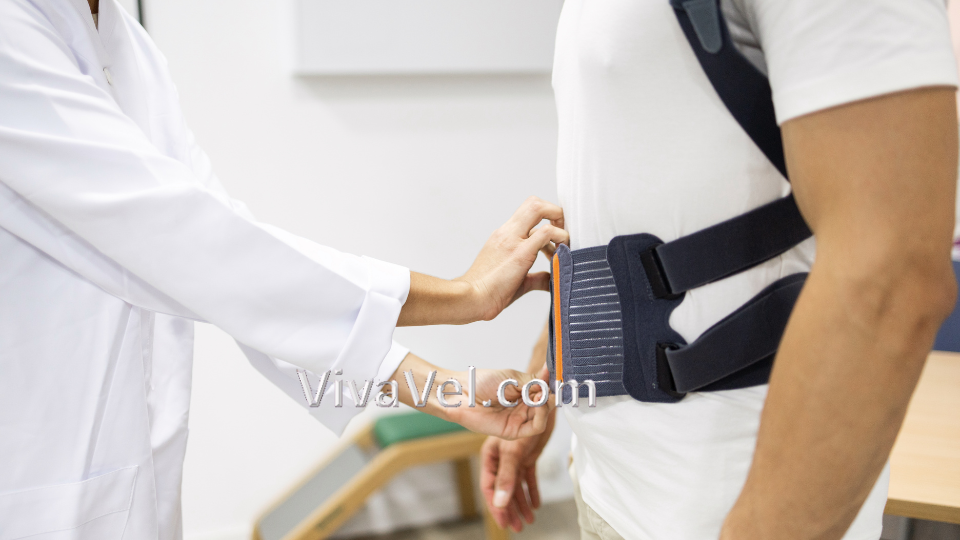
Orthopaedic issues requiring rehabilitation can arise from various causes, including:
Injuries: Sports injuries, falls, or accidents.
Surgeries: Procedures like joint replacements, fracture repairs, or ligament reconstructions.
Chronic conditions: Arthritis, osteoporosis, or other degenerative diseases.
Overuse: Repetitive stress injuries from activities like running or weightlifting.
Seeking medical attention is crucial if you experience persistent or severe symptoms. Early intervention can prevent complications and improve recovery outcomes. You should consult a healthcare professional if you notice:
Persistent pain that does not improve with rest or over-the-counter medications.
Significant swelling or bruising.
Inability to bear weight on a limb.
Changes in joint shape or function.
Several risk factors can increase the likelihood of developing orthopaedic issues, including:
Age: Older adults are more prone to conditions like arthritis and fractures.
Gender: Certain conditions may be more common in one gender (e.g., osteoporosis in women).
Activity level: High-impact sports or physically demanding jobs can increase injury risk.
Previous injuries: A history of musculoskeletal injuries can lead to future problems.
Genetic predisposition: A family history of joint problems can be a risk factor.
To diagnose orthopaedic conditions, healthcare providers may use various tests, including:
Physical examination: Assessing the affected area for pain, swelling, and range of motion.
X-rays: Imaging tests to check for fractures, joint space, or bone abnormalities.
MRI or CT scans: Detailed images to evaluate soft tissue injuries or complex fractures.
Ultrasound: This technique is used to examine soft tissues, such as tendons and ligaments.
Do's:
Follow your rehabilitation plan: Stick to the prescribed exercises and attend all therapy sessions.
Listen to your body: Pay attention to pain levels and inform your therapist if something feels wrong.
Stay active: Engage in light activities and stretching as advised by your healthcare provider.
Maintain a healthy diet: Nutrition plays a crucial role in recovery and overall health.
Ask questions: Clarify any doubts about your treatment plan or recovery process.
Don'ts:
Rush the recovery: Avoid pushing yourself too hard or returning to high-impact activities too soon.
Ignore pain: Don't overlook pain as a regular part of recovery; communicate openly with your therapist.
Skip sessions: Consistency is crucial for effective rehabilitation.
Neglect your overall health: Poor nutrition, smoking, and lack of sleep can hinder recovery.
Self-diagnose or treat: Rely on your healthcare provider for guidance rather than attempting to self-manage your condition.
Disclaimer:
Our medical content authors have diligently gathered and synthesized information on this topic to offer valuable insights to our readers. Drawing from a range of reputable medical journals and health resources, this content aims to enhance understanding of the subject. It's essential to remember that while this information is informative, it should not replace personalized consultation or treatment from a qualified healthcare professional. For further details, please refer to our Editorial Policy.
For this topic, our authors used some of the following resources:
National Institutes of Health (.gov) | Enhancing Orthopedic Rehabilitation
University of Michigan | Orthopedic Rehabilitation & Biomechanics Laboratory
National Institutes of Health (.gov) | Is Virtual Reality Effective in Orthopedic Rehabilitation?
.png)
Saba holds a Master’s degree in Pharmacy from Jamia Hamdard University, New Delhi and possesses a deep understanding of medical subjects. She is an experienced teacher and is passionate about health education. She has a remarkable talent for transforming complex medical concepts into engaging, accurate, and impactful content to inspire healthier living. With a deep scientific understanding and thorough research, Saba consistently supports her writings with the latest publications, ensuring accuracy and relevance.
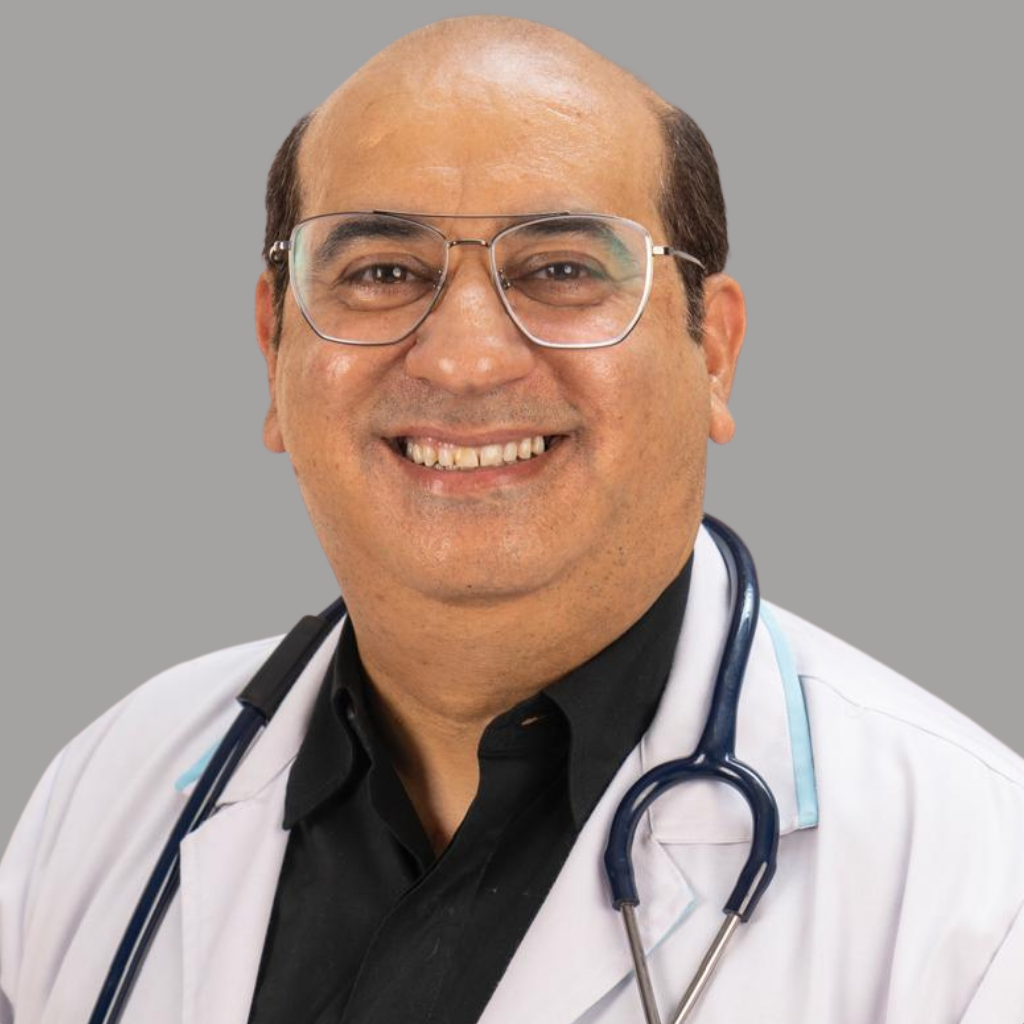
Dr. Yuvraj brings over 27 years of clinical and leadership experience. He contributes to the VivaVel Editorial and Peer Review Panel and is a strong advocate for ethical, evidence-based healthcare. Dr. Yuvraj ensures that VivaVel’s medical content stays accurate, authentic, and patient-centred. His extensive expertise in modern and traditional medicine, along with his Clinical Pharmacology background, helps him communicate complex scientific concepts in accessible ways. This ensures that VivaVel’s content remains trustworthy for readers and patients worldwide.

 BLK-MAX Super Specialty Hospital
 Pusa Road, Radha Soami Satsang, Rajendra Place New Delhi, 110005 India
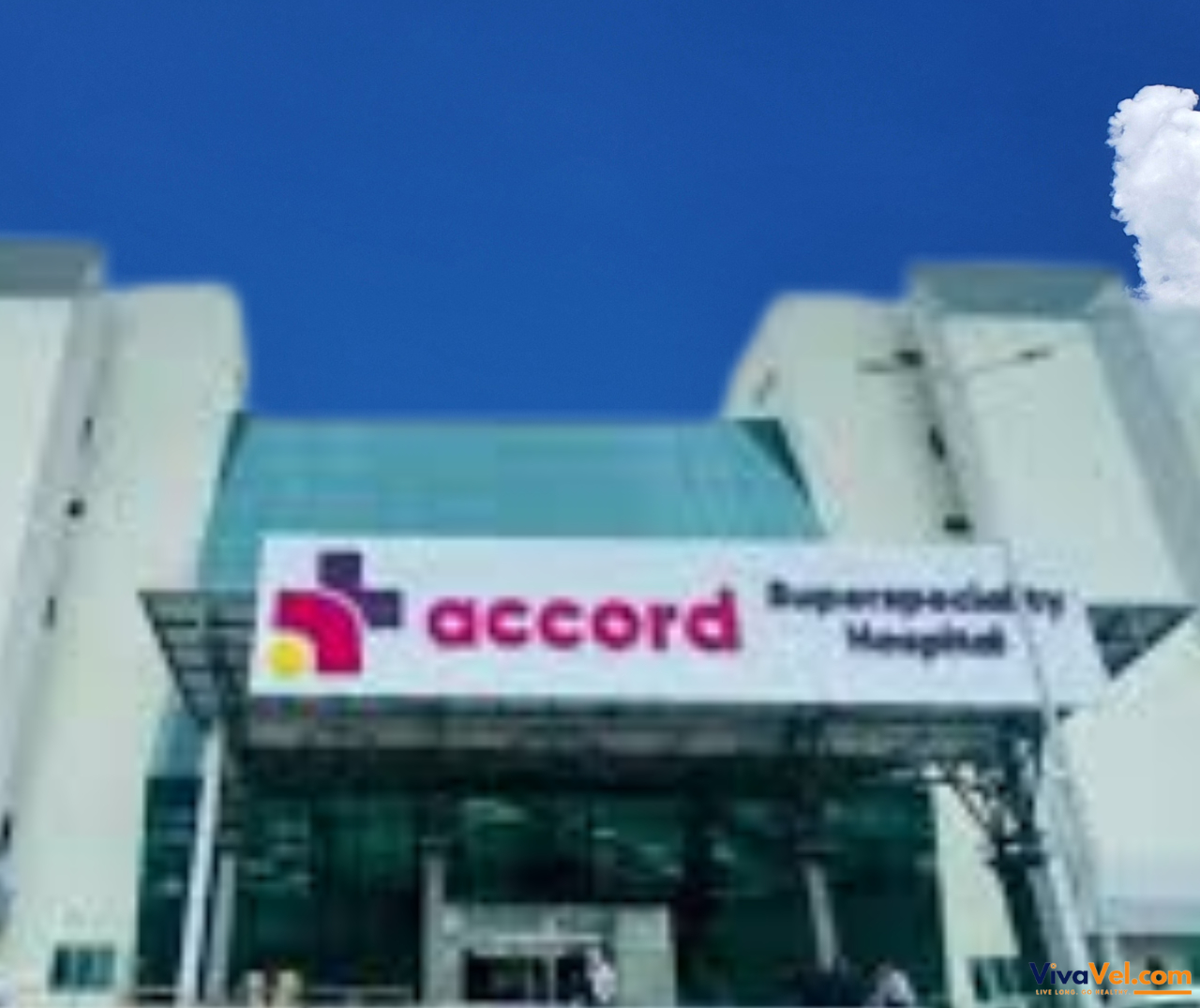 Accord Superspeciality Hospital
Budena Village, Sector 86, Faridabad, Haryana 121002, India
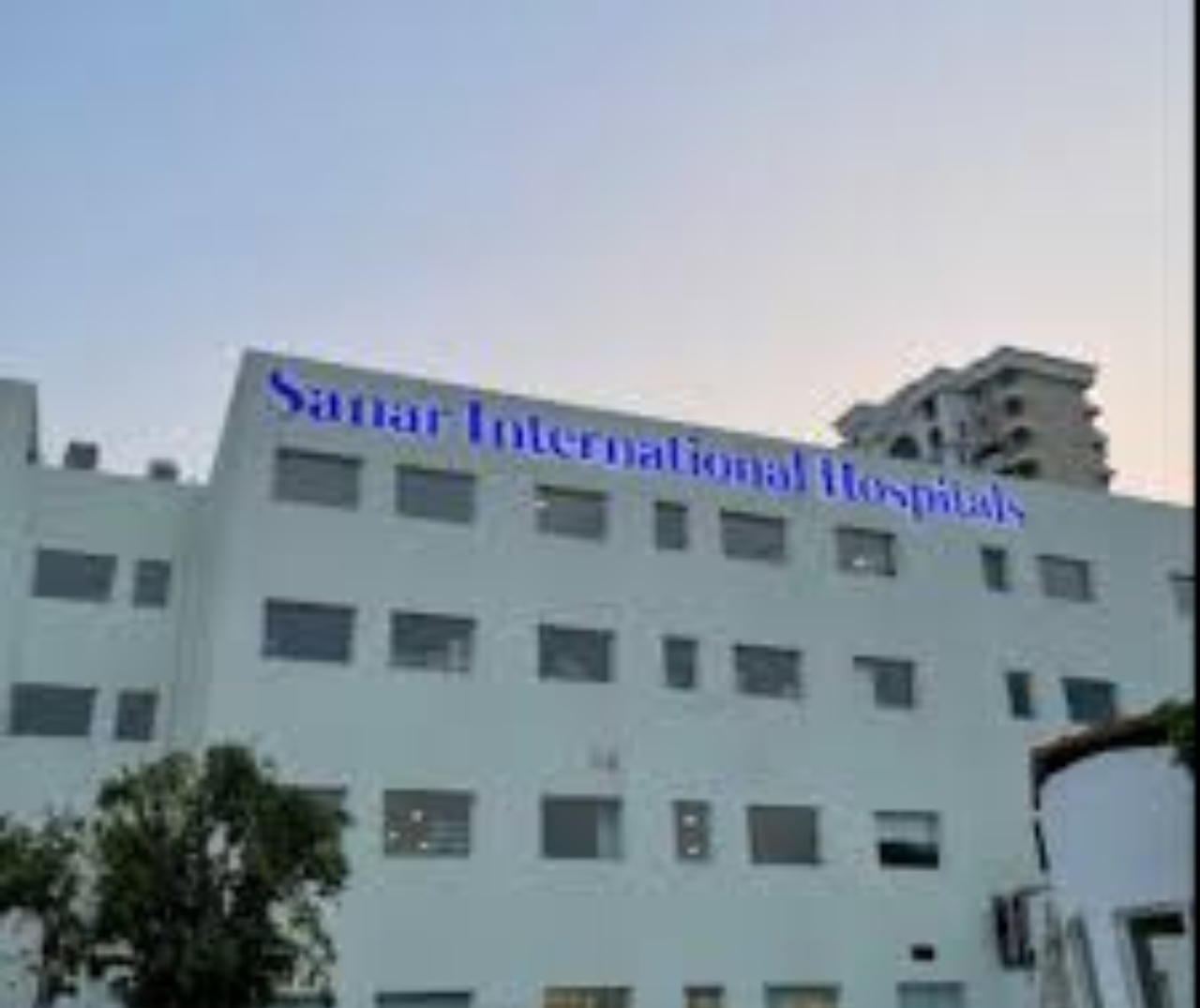 SHALBY Sanar International Hospitals, Gurugram
Golf Course Rd, Parsvnath Exotica, DLF Phase 5, Sector 53, Gurugram, Haryana Gurgaon, 122022 India
 PARAS Health, Gurugram
C-1, Sushant Lok- 1, Sector-43, Phase- I, Gurugram, Haryana, 122002
 Dr. Rakesh Kumar
 Director – Orthopedics And Joint Repla...
 Joint Replacement Surgeon
 19 Years Experience
 Accord Superspeciality Hospital
Dr. Rakesh Kumar is an esteemed Orthopaedic and Joint Replacement Specialist with over 19 years of extensive experience in the field. With more than 13 years dedicate...
 Book Consultation
 Dr. Yuvraj KumarChairman
Orthopedics And Joint Replacement Surgeo...
24 Years ExperienceAccord Superspeciality Hospital
Dr. Yuvraj KumarChairman
Orthopedics And Joint Replacement Surgeo...
24 Years ExperienceAccord Superspeciality Hospital
Dr. Yuvraj Kumar has vast experience in joint replacement and spine surgery. He specializes in treating conditions related to the musculoskeletal system, including disorders ...
Book Consultation
 Dr. Vikash KapoorVice Chairman & Group Director – Ortho...
Orthopedic Sciences, Robotic Surgery
25 Years ExperienceManipal Hospital (E.M. Bypass), Kolkata
Dr. Vikash KapoorVice Chairman & Group Director – Ortho...
Orthopedic Sciences, Robotic Surgery
25 Years ExperienceManipal Hospital (E.M. Bypass), Kolkata
Dr. Vikash Kapoor is a distinguished Senior Consultant Orthopedic Surgeon with an extensive track record of over 8,000 successful orthopedic procedures. He serves as ...
Book Consultation
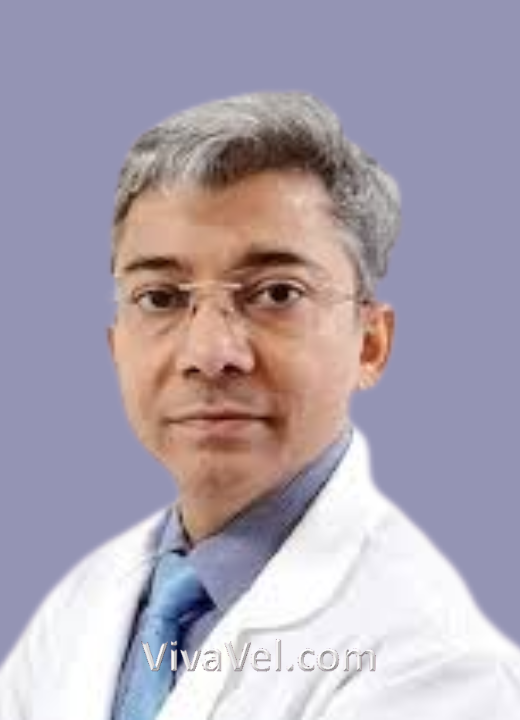 Dr. Saif N ShahDirector
Orthopedic And Joint Replacement Surgeon
17 Years ExperienceMedanta Super Speciality Hospital, Lucknow
Dr. Saif N ShahDirector
Orthopedic And Joint Replacement Surgeon
17 Years ExperienceMedanta Super Speciality Hospital, Lucknow
Dr. Saif Nabi Shah is a highly skilled Orthopedic and Joint Replacement Surgeon with 17 years of experience in the field. He specializes in complex intra-articular is...
Book Consultation
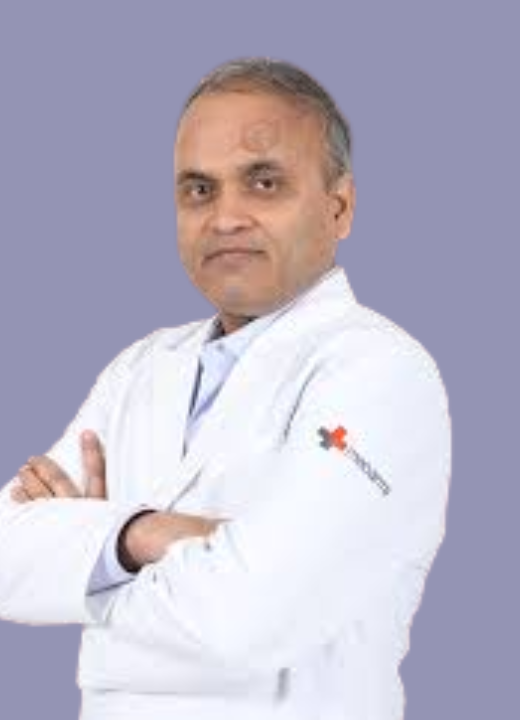 Dr. Dharmendra SinghDirector
Orthopedic And Joint Replacement Surgeon
27 Years ExperienceMedanta Super Speciality Hospital, Lucknow
Dr. Dharmendra SinghDirector
Orthopedic And Joint Replacement Surgeon
27 Years ExperienceMedanta Super Speciality Hospital, Lucknow
Dr. Dharmendra Singh is a highly skilled orthopedic surgeon and Director of the Institute of Musculoskeletal Disorders and Orthopedics at Medanta Lucknow. Before his ...
Book Consultation
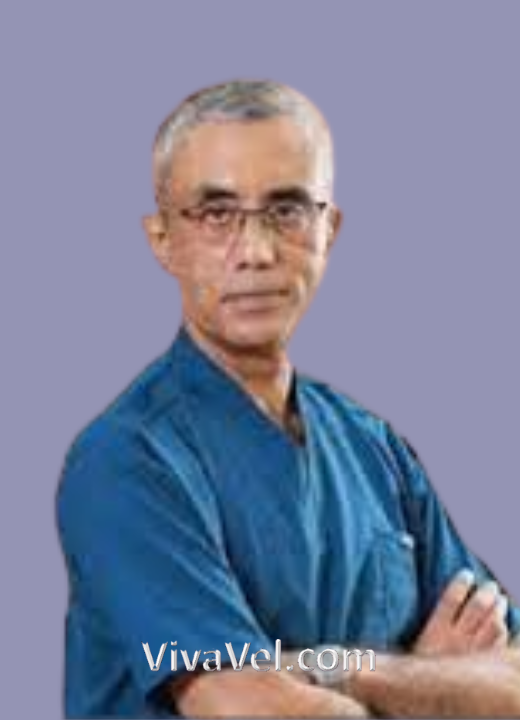 Dr. Rajiv ChatterjeeSenior Consultant & Faculty – DNB Orth...
Dislocation, Lower Back Pain, Orthopedic...
32 Years ExperienceManipal Hospital (E.M. Bypass), Kolkata
Dr. Rajiv ChatterjeeSenior Consultant & Faculty – DNB Orth...
Dislocation, Lower Back Pain, Orthopedic...
32 Years ExperienceManipal Hospital (E.M. Bypass), Kolkata
Dr. Rajiv Chatterjee is a distinguished Orthopedic Surgeon with over 32 years of experience practicing in Kolkata. He specializes in various surgical procedures,...
Book Consultation
Treatment Plan & Cost within 2 days














 Multiple Myeloma Treatment
 Gleneagles Hospital, Singapore
 Dr. K. R. Balakrishnan