A meniscus transplant is a surgical procedure designed to replace a damaged or removed meniscus, a C-shaped cartilage in the knee joint. The meniscus plays crucial roles, including shock absorption, stability, and smooth movement of the knee. Damage to the meniscus can occur from injuries, degenerative conditions, or surgical removal, leading to pain, swelling, and reduced mobility.
During the transplant procedure, a healthy meniscus, usually taken from a donor, is implanted into the patient's knee. The surgery is often performed arthroscopically, which involves minimal incisions and promotes faster recovery times. Post-operative rehabilitation is vital to restore knee function, involving physical therapy and a gradual return to normal activities.
Meniscus transplants can greatly enhance the quality of life for individuals suffering from knee pain and instability, especially those who are younger and active. However, the success of the procedure often depends on factors such as the patient's age, overall health, and adherence to rehabilitation protocols.
 Individuals who may need a meniscus transplant often experience:
Knee Pain: Often sharp or throbbing, especially during movement.
Swelling: Increased fluid in the knee joint can cause noticeable swelling.
Stiffness: Difficulty bending or straightening the knee.
Locking or Catching Sensation: A feeling of the knee locking up or catching during movement.
Instability: A sense of the knee giving way under weight.
Meniscus damage can occur due to:
Sports Injuries: Sudden twists or impacts during physical activities.
Degenerative Changes: Wear and tear associated with ageing or conditions like osteoarthritis.
Previous Knee Surgery: Previous procedures may weaken or damage the meniscus.
If you experience persistent knee pain, swelling, or instability, it's essential to consult a healthcare professional. Early intervention can prevent further damage and improve treatment outcomes.
Certain factors can increase the risk of meniscus injuries, including:
Age: Older adults are more susceptible due to age-related degenerative changes.
Activity Level: Athletes and those engaged in high-impact sports are at greater risk.
Obesity: Extra weight can put additional stress on the knee joints.
Previous Injuries: A history of knee injuries can increase the likelihood of meniscus problems.
To diagnose meniscus damage, healthcare providers may recommend:
Physical Examination: Checking for swelling, pain, and range of motion.
Imaging Tests:
X-rays: To rule out other issues, such as fractures.
MRI (Magnetic Resonance Imaging): This imaging technique provides detailed images of the meniscus and other soft tissues.
Do's:
Follow Rehabilitation Guidelines: Work closely with a physical therapist.
Rest and Ice: Reduce swelling and pain in the initial recovery phase.
Use Assistive Devices: Crutches or a knee brace may be necessary to protect the joint.
Gradually Increase Activity: Start with gentle exercises as advised by your doctor.
Don'ts:
Avoid High-Impact Activities: Avoid running, jumping, or twisting until cleared by a physician.
Don't Ignore Pain: Report any increased pain or discomfort to your doctor immediately.
Avoid Prolonged Weight Bearing: Give your knee time to heal correctly.
Disclaimer:
Our medical content authors have diligently gathered and synthesized information on this topic to offer valuable insights to our readers. Drawing from a range of reputable medical journals and health resources, this content aims to enhance understanding of the subject. It's essential to remember that while this information is informative, it should not replace personalized consultation or treatment from a qualified healthcare professional. For further details, please refer to our Editorial Policy.
For this topic, our authors used some of the following resources:
Cleveland Clinic | Meniscus Replacement: What Is It, Risks, Benefits & Outlook
National Institutes of Health (.gov) | Meniscus transplantation
.png)
Saba holds a Master’s degree in Pharmacy from Jamia Hamdard University, New Delhi and possesses a deep understanding of medical subjects. She is an experienced teacher and is passionate about health education. She has a remarkable talent for transforming complex medical concepts into engaging, accurate, and impactful content to inspire healthier living. With a deep scientific understanding and thorough research, Saba consistently supports her writings with the latest publications, ensuring accuracy and relevance.
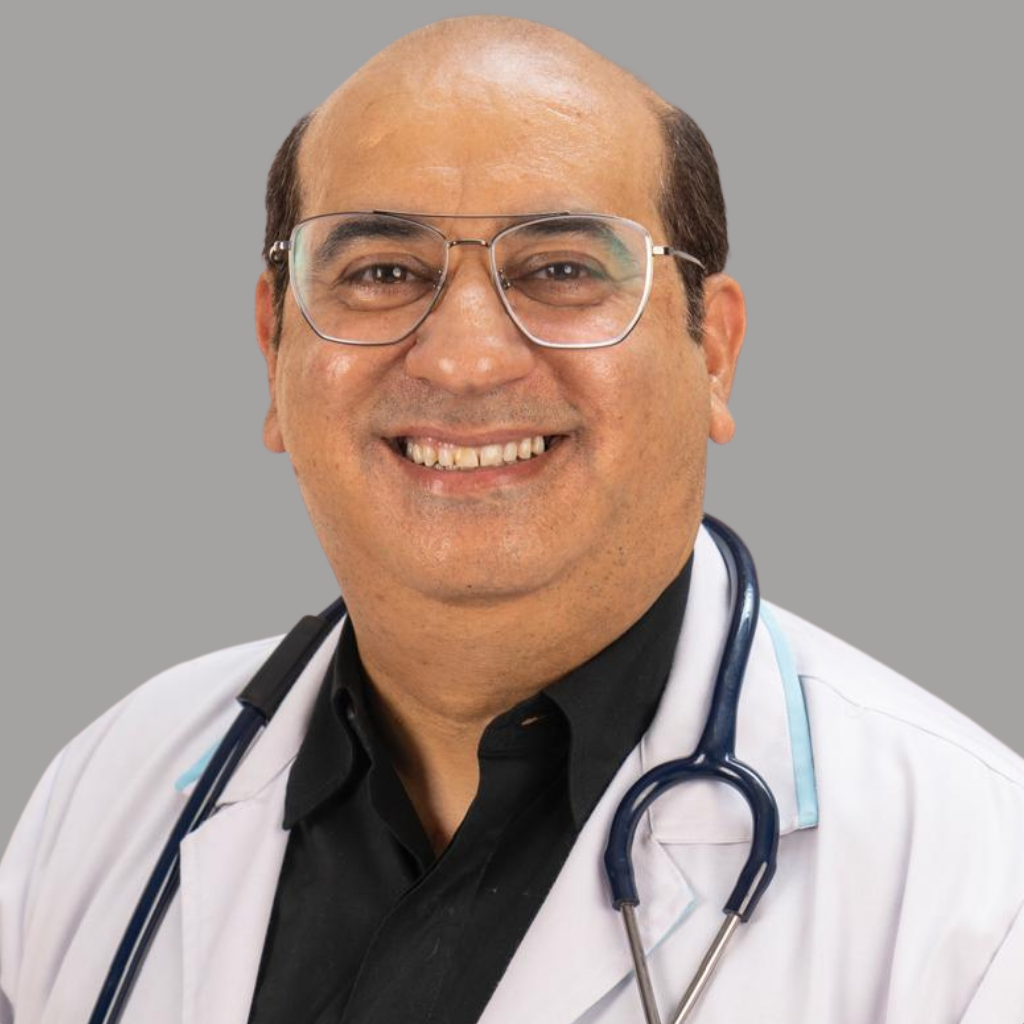
Dr. Yuvraj brings over 27 years of clinical and leadership experience. He contributes to the VivaVel Editorial and Peer Review Panel and is a strong advocate for ethical, evidence-based healthcare. Dr. Yuvraj ensures that VivaVel’s medical content stays accurate, authentic, and patient-centred. His extensive expertise in modern and traditional medicine, along with his Clinical Pharmacology background, helps him communicate complex scientific concepts in accessible ways. This ensures that VivaVel’s content remains trustworthy for readers and patients worldwide.



 BLK-MAX Super Specialty Hospital
 Pusa Road, Radha Soami Satsang, Rajendra Place New Delhi, 110005 India
 Accord Superspeciality Hospital
Budena Village, Sector 86, Faridabad, Haryana 121002, India
 SHALBY Sanar International Hospitals, Gurugram
Golf Course Rd, Parsvnath Exotica, DLF Phase 5, Sector 53, Gurugram, Haryana Gurgaon, 122022 India
 Max Super Speciality Hospital, Dehradun
Mussoorie, Diversion Road, Dehradun, Uttarakhand 248001
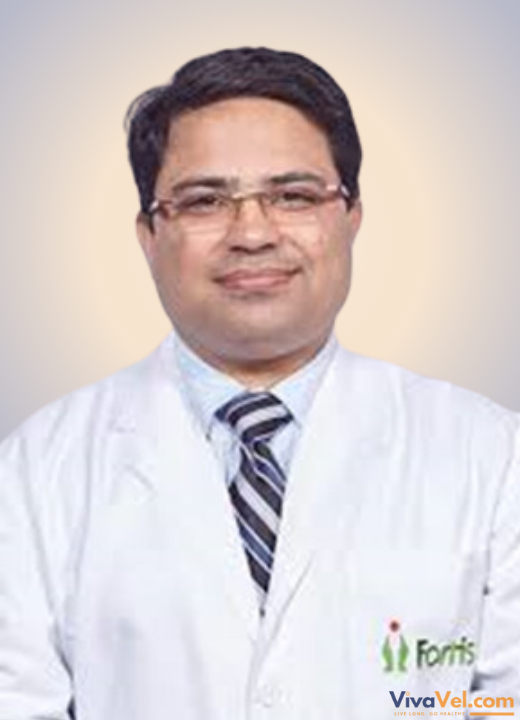
 Dr. Vivek Vij
 Chairman
 Gastroenterology And Hepatobiliary Scien...
 25 Years Experience
 Fortis Memorial Research Institute (FMRI)
Dr. Vivek Vij is an accomplished liver transplant surgeon credited with developing living donor surgery and implementing safety protocols to achieve a 100% donor safety profi...
 Book Consultation
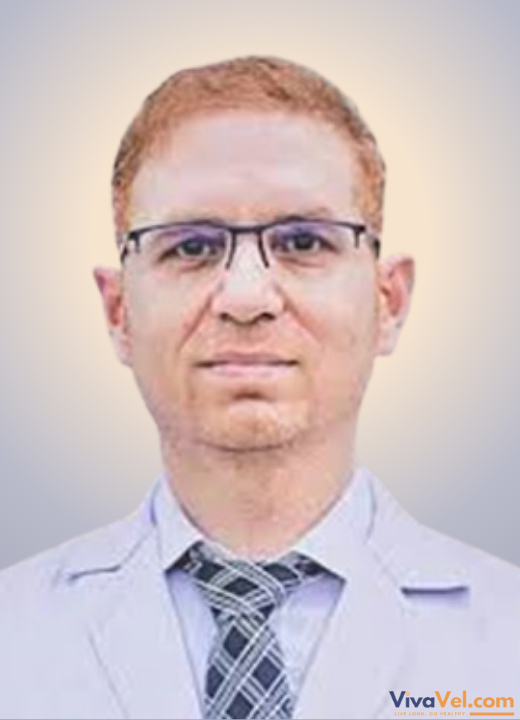 Dr. Mohd QaleemSenior Consultant Gastroenterology
General Surgery | General And Minimal Ac...
15 Years ExperienceFortis Escorts Heart Institute
Dr. Mohd QaleemSenior Consultant Gastroenterology
General Surgery | General And Minimal Ac...
15 Years ExperienceFortis Escorts Heart Institute
Dr. Mohd. Qaleem is a prominent Liver Transplant, Hepatobiliary, and Gastrointestinal Surgeon with more than 15 years of experience in his specialty. He focuses on Ad...
Book Consultation
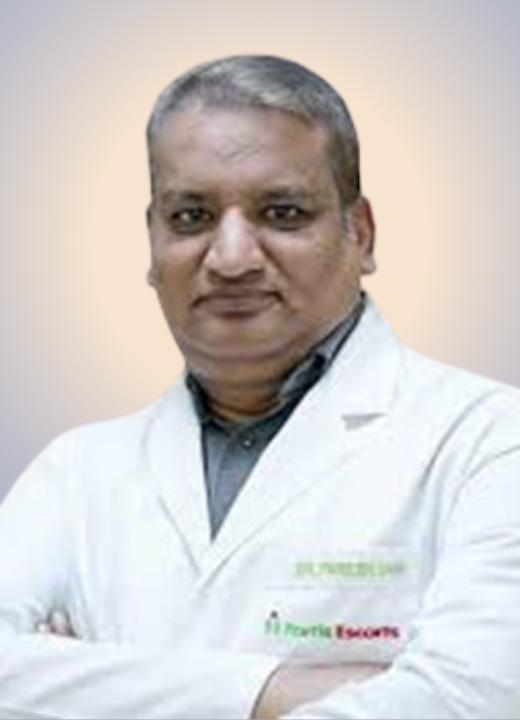 Dr. Paresh JainDirector Urology
Urology | Organ Transplant | Kidney Tran...
16 Years ExperienceFortis Escorts Heart Institute
Dr. Paresh JainDirector Urology
Urology | Organ Transplant | Kidney Tran...
16 Years ExperienceFortis Escorts Heart Institute
Dr. Paresh Jain is the director of urology and has over 16 years of rich experience. He specializes in Laparoscopic Urology, Endourology - URS, PCNL, RIRS, TURP, Lase...
Book Consultation
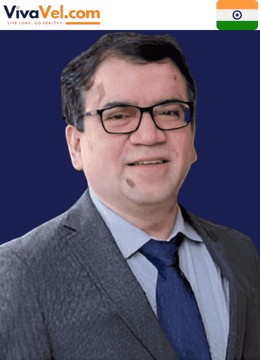 Dr. Subhash GuptaChairman - Centre For Liver & Biliary Sc...
Liver Transplant And Biliary Sciences, R...
36 Years ExperienceMax Super Speciality Hospital, Saket
Dr. Subhash GuptaChairman - Centre For Liver & Biliary Sc...
Liver Transplant And Biliary Sciences, R...
36 Years ExperienceMax Super Speciality Hospital, Saket
Dr. Subhash Gupta is an esteemed figure in liver transplantation, serving as the Chairman of the Max Centre for Liver and Biliary Sciences. This center is recognized ...
Book Consultation
 Dr. Hitesh ChavdaDirector And Chief
Surgical Gastroenterology | Hepatobiliar...
23 Years ExperienceSterling Hospital, Ahmedabad
Dr. Hitesh ChavdaDirector And Chief
Surgical Gastroenterology | Hepatobiliar...
23 Years ExperienceSterling Hospital, Ahmedabad
Dr. Hitesh Chavda is a leading Surgical Gastroenterologist and Liver Transplant Surgeon in Ahmedabad, Gujarat. With over 23 years of experience, he has established hi...
Book Consultation
 Dr. Sonal DalalDirector
Nephrology And Kidney Transplant Surgery
26 Years ExperienceSterling Hospital, Ahmedabad
Dr. Sonal DalalDirector
Nephrology And Kidney Transplant Surgery
26 Years ExperienceSterling Hospital, Ahmedabad
Dr. Sonal Dalal is a highly respected nephrologist in Ahmedabad. She is renowned for her extensive experience and expertise in kidney-related ailments. She se...
Book Consultation
Treatment Plan & Cost within 2 days















 Multiple Myeloma Treatment
 Gleneagles Hospital, Singapore
 Dr. Aramwong Thaveelap