A stem cell transplant is a critical medical procedure that replaces damaged or diseased bone marrow with healthy stem cells. These stem cells have the unique ability to develop into various types of blood cells, including red blood cells, which carry oxygen, white blood cells, which help fight infections, and platelets, which are essential for blood clotting. The procedure is commonly utilised for patients suffering from certain cancers, such as leukaemia and lymphoma, as well as blood disorders like aplastic anaemia and inherited genetic conditions like sickle cell disease.
There are two main types of stem cell transplants: autologous, in which the patient's own stem cells are used, and allogeneic, in which stem cells are donated by another person, typically a matched sibling or an unrelated donor. Before the transplant, patients often undergo a conditioning regimen that includes chemotherapy or radiation to eliminate diseased cells and prepare the body for the new stem cells. Post-transplant, patients require careful monitoring and follow-up care to manage potential complications, including infections and graft-versus-host disease. Overall, stem cell transplants can offer patients with severe medical conditions a chance at recovery and improved quality of life.
 Patients may experience a variety of signs and symptoms indicating the need for a stem cell transplant, including:
Fatigue: Persistent tiredness not relieved by rest.
Frequent Infections: A weakened immune system can lead to recurrent infections.
Easy Bruising or Bleeding: Low platelet counts can lead to unusual bruising or bleeding.
Shortness of Breath: A decrease in red blood cells can lead to anaemia, which can cause breathlessness.
Unexplained Weight Loss: Significant weight loss without trying can be concerning.
Pale Skin: Anaemia can cause a pale complexion.
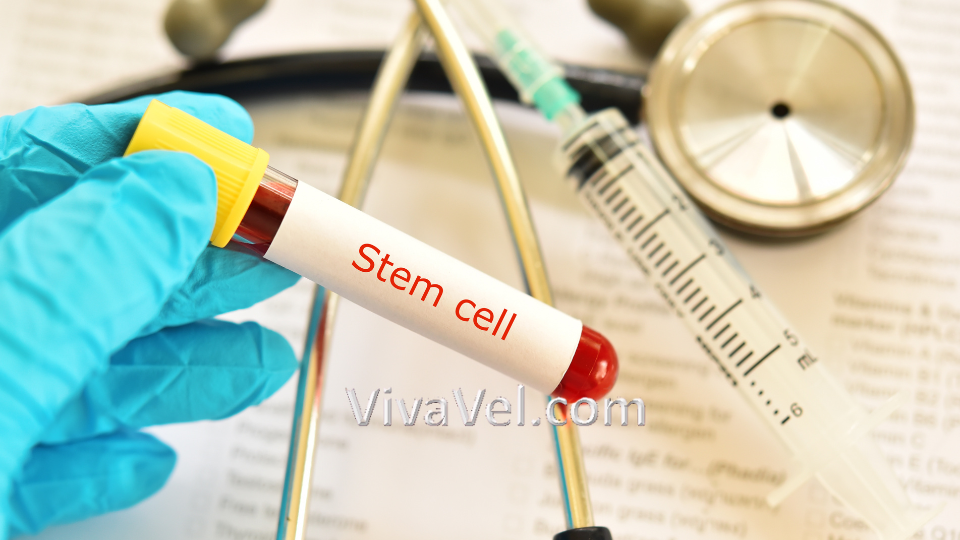
Stem cell transplants may be required for various reasons, including:
Cancer: Diseases such as leukaemia, lymphoma, and multiple myeloma can damage the bone marrow.
Blood Disorders: Conditions like aplastic anaemia or thalassemia require stem cell transplants to produce healthy blood cells.
Genetic Disorders: Certain inherited conditions that affect blood cell formation may necessitate a transplant.
Autoimmune Diseases: Some diseases, such as lupus or scleroderma, may lead to severe blood disorders that require stem cell therapy.
If you experience any of the symptoms mentioned above or have a condition that may require a stem cell transplant, it's essential to seek medical attention promptly. A healthcare professional will evaluate your symptoms and medical history and may refer you to a haematologist or oncologist.
Certain factors may increase the need for a stem cell transplant, including:
Age: Some conditions are more prevalent in older adults.
Genetic Factors: A family history of blood disorders or certain cancers can increase risk.
Exposure to Chemicals: Prolonged exposure to certain chemicals or radiation can cause damage to the bone marrow.
Previous Cancer Treatments: Treatments like chemotherapy or radiation can lead to bone marrow failure.
Before undergoing a stem cell transplant, several diagnostic tests may be performed, including:
Blood Tests: To assess blood cell counts and overall health.
Bone Marrow Biopsy: A procedure to collect and examine bone marrow for abnormalities.
Imaging Tests: X-rays, CT scans, or MRIs may be conducted to evaluate the extent of the disease.
Genetic Testing: To determine any genetic abnormalities that may affect treatment options.
Do's:
Follow your healthcare team’s instructions carefully.
Maintain a balanced diet to support recovery.
Practice good hygiene to minimize the risk of infection.
Attend regular follow-up appointments.
Don'ts:
Do not skip any prescribed medications.
Avoid crowded places to reduce your risk of infection.
Do not consume raw or undercooked foods.
Avoid smoking and limit alcohol intake.
Disclaimer:
Our medical content authors have diligently gathered and synthesized information on this topic to offer valuable insights to our readers. Drawing from a range of reputable medical journals and health resources, this content aims to enhance understanding of the subject. It's essential to remember that while this information is informative, it should not replace personalized consultation or treatment from a qualified healthcare professional. For further details, please refer to our Editorial Policy.
For this topic, our authors used some of the following resources:
Cleveland Clinic | Stem Cell (Bone Marrow) Transplant
National Cancer Institute (.gov) | Stem Cell and Bone Marrow Transplants for Cancer
American Cancer Society | Stem Cell or Bone Marrow Transplant
.png)
Saba holds a Master’s degree in Pharmacy from Jamia Hamdard University, New Delhi and possesses a deep understanding of medical subjects. She is an experienced teacher and is passionate about health education. She has a remarkable talent for transforming complex medical concepts into engaging, accurate, and impactful content to inspire healthier living. With a deep scientific understanding and thorough research, Saba consistently supports her writings with the latest publications, ensuring accuracy and relevance.
.png)
Oruge is committed to promoting health awareness through clear, research-based communication. With a background in microbiology and public health, she combines scientific accuracy with an engaging writing style to simplify complex medical topics. At VivaVel Health, she contributes insightful reviews, articles, and blogs that empower readers to make informed decisions for healthier living.


 BLK-MAX Super Specialty Hospital
 Pusa Road, Radha Soami Satsang, Rajendra Place New Delhi, 110005 India
 Accord Superspeciality Hospital
Budena Village, Sector 86, Faridabad, Haryana 121002, India
 SHALBY Sanar International Hospitals, Gurugram
Golf Course Rd, Parsvnath Exotica, DLF Phase 5, Sector 53, Gurugram, Haryana Gurgaon, 122022 India
 Max Super Speciality Hospital, Dehradun
Mussoorie, Diversion Road, Dehradun, Uttarakhand 248001
 Dr. Vivek Vij
 Chairman
 Gastroenterology And Hepatobiliary Scien...
 25 Years Experience
 Fortis Memorial Research Institute (FMRI)
Dr. Vivek Vij is an accomplished liver transplant surgeon credited with developing living donor surgery and implementing safety protocols to achieve a 100% donor safety profi...
 Book Consultation
 Dr. Mohd QaleemSenior Consultant Gastroenterology
General Surgery | General And Minimal Ac...
15 Years ExperienceFortis Escorts Heart Institute
Dr. Mohd QaleemSenior Consultant Gastroenterology
General Surgery | General And Minimal Ac...
15 Years ExperienceFortis Escorts Heart Institute
Dr. Mohd. Qaleem is a prominent Liver Transplant, Hepatobiliary, and Gastrointestinal Surgeon with more than 15 years of experience in his specialty. He focuses on Ad...
Book Consultation
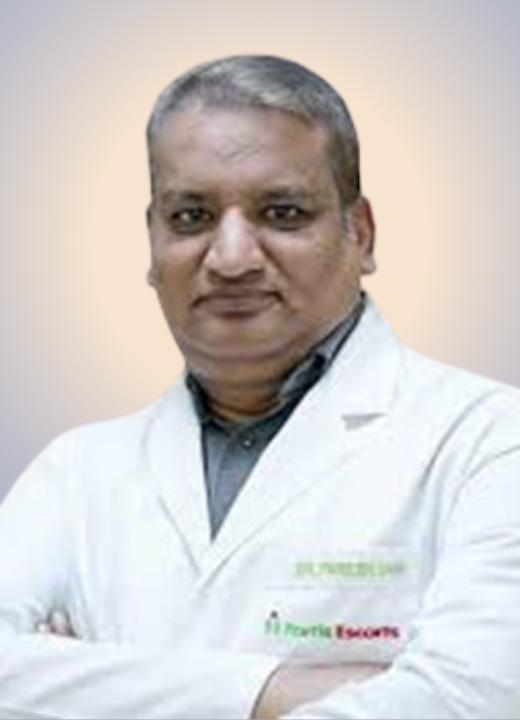 Dr. Paresh JainDirector Urology
Urology | Organ Transplant | Kidney Tran...
16 Years ExperienceFortis Escorts Heart Institute
Dr. Paresh JainDirector Urology
Urology | Organ Transplant | Kidney Tran...
16 Years ExperienceFortis Escorts Heart Institute
Dr. Paresh Jain is the director of urology and has over 16 years of rich experience. He specializes in Laparoscopic Urology, Endourology - URS, PCNL, RIRS, TURP, Lase...
Book Consultation
 Dr. Subhash GuptaChairman - Centre For Liver & Biliary Sc...
Liver Transplant And Biliary Sciences, R...
36 Years ExperienceMax Super Speciality Hospital, Saket
Dr. Subhash GuptaChairman - Centre For Liver & Biliary Sc...
Liver Transplant And Biliary Sciences, R...
36 Years ExperienceMax Super Speciality Hospital, Saket
Dr. Subhash Gupta is an esteemed figure in liver transplantation, serving as the Chairman of the Max Centre for Liver and Biliary Sciences. This center is recognized ...
Book Consultation
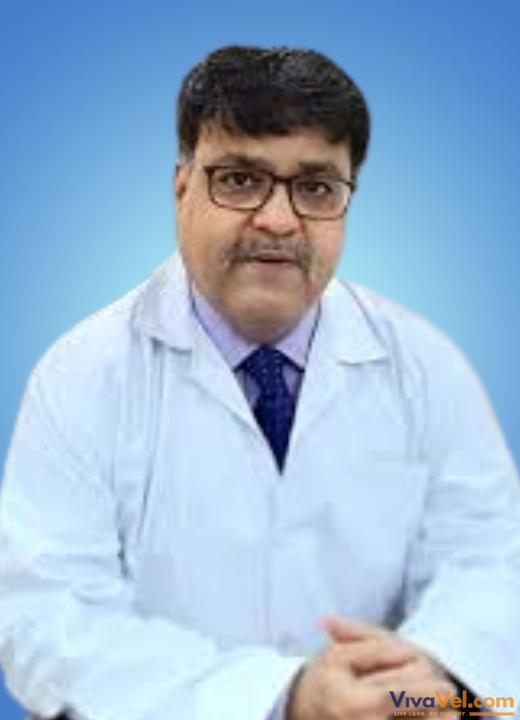 Dr. Hitesh ChavdaDirector And Chief
Surgical Gastroenterology | Hepatobiliar...
23 Years ExperienceSterling Hospital, Ahmedabad
Dr. Hitesh ChavdaDirector And Chief
Surgical Gastroenterology | Hepatobiliar...
23 Years ExperienceSterling Hospital, Ahmedabad
Dr. Hitesh Chavda is a leading Surgical Gastroenterologist and Liver Transplant Surgeon in Ahmedabad, Gujarat. With over 23 years of experience, he has established hi...
Book Consultation
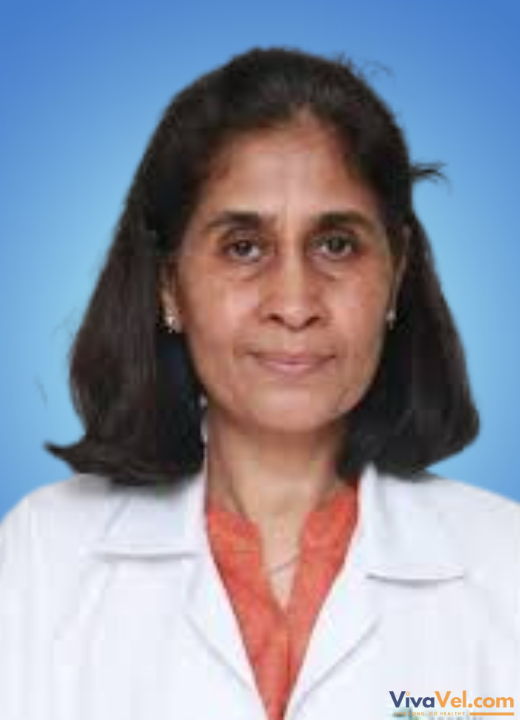 Dr. Sonal DalalDirector
Nephrology And Kidney Transplant Surgery
26 Years ExperienceSterling Hospital, Ahmedabad
Dr. Sonal DalalDirector
Nephrology And Kidney Transplant Surgery
26 Years ExperienceSterling Hospital, Ahmedabad
Dr. Sonal Dalal is a highly respected nephrologist in Ahmedabad. She is renowned for her extensive experience and expertise in kidney-related ailments. She se...
Book Consultation
Treatment Plan & Cost within 2 days















 Robotic Surgery
 BLK-MAX Super Specialty Hospital
 Dr. Rayaz Ahmed