A skull fracture occurs when one or more bones in the skull break due to a strong hit or injury to the head. This can occur from accidents, falls, or direct blows during sports or other activities. Some skull fractures are mild and may heal on their own without medical treatment. However, more serious fractures can damage the brain, leading to swelling, bleeding, or other complications that need immediate attention.
Signs of a skull fracture can include a headache, swelling, bruising, or fluid leaking from the nose or ears. It's important to watch for symptoms such as dizziness, confusion, loss of consciousness, or difficulty speaking, as these may indicate a brain injury. In such cases, medical help should be sought right away.
Doctors diagnose skull fractures using imaging tests like X-rays or CT scans. Treatment depends on the type and severity of the fracture. Mild fractures may only require rest, while severe fractures may require surgery to prevent further damage. Wearing a helmet during risky activities can help reduce the risk of skull fractures.
 Symptoms of a skull fracture can vary based on the severity and location of the fracture. Common signs and symptoms include:
Headache: Persistent or severe pain in the head.
Swelling or bruising: Visible on the scalp, especially around the injury.
Bleeding: From the nose, ears, or the wound on the head.
Nausea or vomiting: Feeling sick or throwing up, common after head injuries.
Loss of consciousness: Passing out or feeling dizzy.
Clear fluid leaking from the nose or ears may indicate cerebrospinal fluid (CSF) leakage, which is a sign of a more serious fracture.
Raccoon eyes: Bruising around the eyes.
Difficulty moving or using limbs: Weakness or numbness in arms or legs.
Confusion or memory problems: Trouble thinking clearly, remembering things, or changes in behaviour.
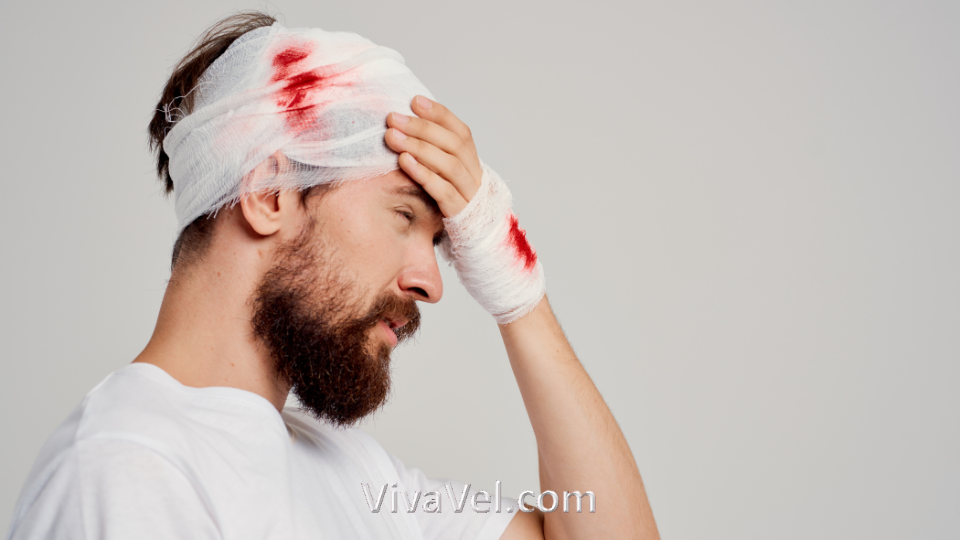
Skull fractures usually occur after a trauma or injury to the head. Common causes include:
Falls: Particularly from heights or onto hard surfaces.
Car accidents: A Sudden impact can lead to severe head injuries.
Sports injuries: Contact sports or activities like cycling can lead to head trauma.
Physical assaults: Being struck on the head by an object or in a fight.
Industrial accidents: Falls from objects or machinery-related incidents.
You should seek medical help immediately if you or someone else experiences:
Severe head pain or swelling.
Loss of consciousness, even briefly.
Clear fluid (CSF) leaks from the nose or ears.
Confusion, slurred speech, or difficulty walking.
Seizures (uncontrolled shaking or twitching).
Vomiting following a head injury.
Weakness or numbness in arms or legs.
Certain factors can increase the risk of a skull fracture:
High-risk activities: Contact sports, cycling, or risky physical activities without protective gear.
Age: Young children and older people are more prone to falls and head injuries.
Unsafe environments Include Slippery floors, poor lighting, and unsafe work conditions.
Not using protective equipment: Failing to wear helmets when cycling or playing contact sports.
Violence: Living in unsafe areas where physical assaults are more common.
Doctors use a variety of tests to diagnose a skull fracture:
Physical examination: Checking for bruising, swelling, and signs of neurological damage.
CT scan: This imaging test provides detailed cross-sectional images of the skull and brain, enabling the identification of fractures and bleeding.
X-ray: Used to see fractures in the skull bones, though it is less detailed than a CT scan.
MRI: For detailed images of soft tissues, including the brain and other internal organs. It can help detect bleeding or brain damage.
Do's:
Follow medical advice: Stick to the doctor's recommendations for rest, medication, and follow-up appointments.
Rest: Reduce physical and mental stress by allowing the brain and skull time to recover.
Monitor symptoms: Watch for any worsening symptoms, such as confusion, dizziness, or headaches.
Stay hydrated and eat well: Proper nutrition supports healing.
Wear a helmet: Protect your head during cycling or contact sports activities.
Don'ts:
Avoid strenuous activities: Don't engage in sports or heavy lifting until cleared by a doctor.
Don't ignore symptoms: If symptoms worsen or new ones appear, seek medical attention.
Avoid alcohol or drugs: These substances can worsen symptoms or slow healing.
Don't return to high-risk activities too soon: Even if you feel better, allow enough time for full recovery.
Disclaimer:
Our medical content authors have diligently gathered and synthesized information on this topic to offer valuable insights to our readers. Drawing from a range of reputable medical journals and health resources, this content aims to enhance understanding of the subject. It's essential to remember that while this information is informative, it should not replace personalized consultation or treatment from a qualified healthcare professional. For further details, please refer to our Editorial Policy.
For this topic, our authors used some of the following resources:
Cleveland Clinic | Skull Fractures: Types, Treatment and Prevention
Columbia University | Skull Fractures Diagnosis & Treatment
National Institutes of Health (.gov) | Basilar Skull Fractures
.png)
Saba holds a Master’s degree in Pharmacy from Jamia Hamdard University, New Delhi and possesses a deep understanding of medical subjects. She is an experienced teacher and is passionate about health education. She has a remarkable talent for transforming complex medical concepts into engaging, accurate, and impactful content to inspire healthier living. With a deep scientific understanding and thorough research, Saba consistently supports her writings with the latest publications, ensuring accuracy and relevance.
.png)
Oruge is committed to promoting health awareness through clear, research-based communication. With a background in microbiology and public health, she combines scientific accuracy with an engaging writing style to simplify complex medical topics. At VivaVel Health, she contributes insightful reviews, articles, and blogs that empower readers to make informed decisions for healthier living.



 BLK-MAX Super Specialty Hospital
 Pusa Road, Radha Soami Satsang, Rajendra Place New Delhi, 110005 India
 Accord Superspeciality Hospital
Budena Village, Sector 86, Faridabad, Haryana 121002, India
 PARAS Health, Gurugram
C-1, Sushant Lok- 1, Sector-43, Phase- I, Gurugram, Haryana, 122002
 Columbia Asia Extended Care Hospital
Lot 2, Jalan Baung 17/22, Seksyen 17, 40200 Shah Alam, Selangor Kuala Lumpur, 40200 (Malaysia)

 Dr. Rohit Gupta
 Chairman, Neurosciences
 Neurology
 17 Years Experience
 Accord Superspeciality Hospital
Dr. (Prof.) Rohit Gupta is a well-known neurologist in Faridabad, Haryana, India, with over 17 years of experience in clinical neurology. He achieved academic success...
 Book Consultation
 Dr. Sandeep GhoshConsultant
Neuro-Surgeon
11 Years ExperienceAccord Superspeciality Hospital
Dr. Sandeep GhoshConsultant
Neuro-Surgeon
11 Years ExperienceAccord Superspeciality Hospital
Dr. Sandeep Ghosh is a highly regarded consultant neurologist, currently practicing at the esteemed Neurosciences Department of Accord Superspeciality Hospital in Faridabad, ...
Book Consultation
 Dr. Vikram DuaDirector – Dept Of Brain & Spine Surge...
Neurosurgery & Spine
26 Years ExperienceAccord Superspeciality Hospital
Dr. Vikram DuaDirector – Dept Of Brain & Spine Surge...
Neurosurgery & Spine
26 Years ExperienceAccord Superspeciality Hospital
Dr. Vikram Dua is one of India's top neuro and spine surgeons. With over 26 years of experience, he has performed over 10,000 surgeries, with a success rate excee...
Book Consultation
 Dr. L. N. TripathySenior Vice Chairman, Director & Senior ...
Neuro-Surgeon
31 Years ExperienceManipal Hospital (E.M. Bypass), Kolkata
Dr. L. N. TripathySenior Vice Chairman, Director & Senior ...
Neuro-Surgeon
31 Years ExperienceManipal Hospital (E.M. Bypass), Kolkata
Dr. LN Tripathy is a highly esteemed neurosurgeon with an impressive 31-year career. Since April 2010, he has been the Director of the Medica Institute of Neurologica...
Book Consultation
 Dr. Anish Kumar GhoshConsultant
Neurology (Medicine)
20 Years ExperienceManipal Hospital (E.M. Bypass), Kolkata
Dr. Anish Kumar GhoshConsultant
Neurology (Medicine)
20 Years ExperienceManipal Hospital (E.M. Bypass), Kolkata
Dr. Anish Kumar is a highly experienced medical professional with over 21 years of experience, including more than 11 years dedicated to neurology. He is currently a ...
Book Consultation
 Dr. Kaushik SenHOD & Senior Consultant
Neurologist
18 Years ExperienceManipal Hospital (E.M. Bypass), Kolkata
Dr. Kaushik SenHOD & Senior Consultant
Neurologist
18 Years ExperienceManipal Hospital (E.M. Bypass), Kolkata
Dr. Kaushik Sen is a highly esteemed senior consultant neurologist with over 18 years of post-DM experience in neurology. He holds a gold medal in MBBS, an MD i...
Book Consultation
Treatment Plan & Cost within 2 days














 Breast Cancer
 Marengo Asia Hospital, Faridabad
 Dr. K. R. Balakrishnan