Shoulder Impingement Syndrome (SIS), also known as rotator cuff impingement, is a common cause of shoulder pain. It occurs when the rotator cuff and bursa tendons, a fluid-filled sac, become pinched or compressed between the bones of the shoulder joint during arm movement. This compression leads to inflammation, causing pain, stiffness, and decreased range of motion. Over time, repetitive overhead activities, heavy lifting, or improper posture can worsen the irritation and even lead to tendon tears. Common symptoms include pain when lifting the arm, especially above shoulder level, and discomfort during activities such as dressing or reaching. Treatment typically involves rest, physical therapy, anti-inflammatory medications, and sometimes corticosteroid injections. Severe cases that don't respond to conservative measures may require arthroscopic surgery to relieve the impingement and restore function.
Pain in the shoulder: Especially when lifting the arm overhead or reaching backwards
Weakness: Reduced strength, particularly when lifting or rotating the arm
Limited range of motion: Trouble with regular shoulder movements
Swelling and tenderness: Tenderness in the shoulder area
Pain at night: Often worsens when lying on the affected shoulder

 Shoulder impingement usually develops from repeated overhead activities or excessive stress on the shoulder joint, which can inflame tendons and surrounding tissues. Specific causes include:
Repetitive arm movements (sports or work-related)
Shoulder injuries or trauma
Poor posture, which can cause muscular imbalances around the shoulder
Bone spurs that narrow the space for tendons
Seek medical help if:
Pain persists despite rest and over-the-counter pain relief
Shoulder movement is significantly restricted
There is visible swelling or bruising
The pain disrupts daily activities or sleep
Several factors can increase the likelihood of developing SIS:
Age: More common in individuals over 40
Athletes or manual laborers: Sports like swimming or jobs involving overhead work put extra strain on the shoulder
Previous shoulder injuries
Poor posture or weak shoulder muscles
Diagnosing SIS usually involves:
Physical Examination: A doctor examines a range of motion, pain, and strength.
Imaging Tests:
X-rays: To rule out fractures or bone spurs
MRI or Ultrasound: To check soft tissue, like tendons and muscles
Specialized Impingement Tests: Specific movements are performed to pinpoint the source of pain.
Do's:
Do exercise regularly: Follow a physical therapy routine to strengthen shoulder muscles.
Use proper lifting techniques: lift with both hands and avoid lifting overhead.
Apply ice or heat as needed: Ice helps reduce inflammation, while heat can soothe sore muscles.
Don'ts:
Don't ignore pain: Rest if you feel discomfort during activities.
Avoid repetitive overhead movements, as they can worsen impingement.
Avoid heavy lifting without support: If needed, use assistive devices or ask for help.
Disclaimer:
Our medical content authors have diligently gathered and synthesized information on this topic to offer valuable insights to our readers. Drawing from a range of reputable medical journals and health resources, this content aims to enhance understanding of the subject. It's essential to remember that while this information is informative, it should not replace personalized consultation or treatment from a qualified healthcare professional. For further details, please refer to our Editorial Policy.
For this topic, our authors used some of the following resources:
National Institutes of Health (.gov) | Shoulder Impingement Syndrome
Cleveland Clinic | Shoulder Impingement Syndrome (Rotator Cuff Tendinitis)
UCSF Health | Shoulder Impingement Syndrome | Conditions
ScienceDirect.com | Shoulder Impingement Syndrome - an overview
.png)
Saba holds a Master’s degree in Pharmacy from Jamia Hamdard University, New Delhi and possesses a deep understanding of medical subjects. She is an experienced teacher and is passionate about health education. She has a remarkable talent for transforming complex medical concepts into engaging, accurate, and impactful content to inspire healthier living. With a deep scientific understanding and thorough research, Saba consistently supports her writings with the latest publications, ensuring accuracy and relevance.
.png)
Oruge is committed to promoting health awareness through clear, research-based communication. With a background in microbiology and public health, she combines scientific accuracy with an engaging writing style to simplify complex medical topics. At VivaVel Health, she contributes insightful reviews, articles, and blogs that empower readers to make informed decisions for healthier living.

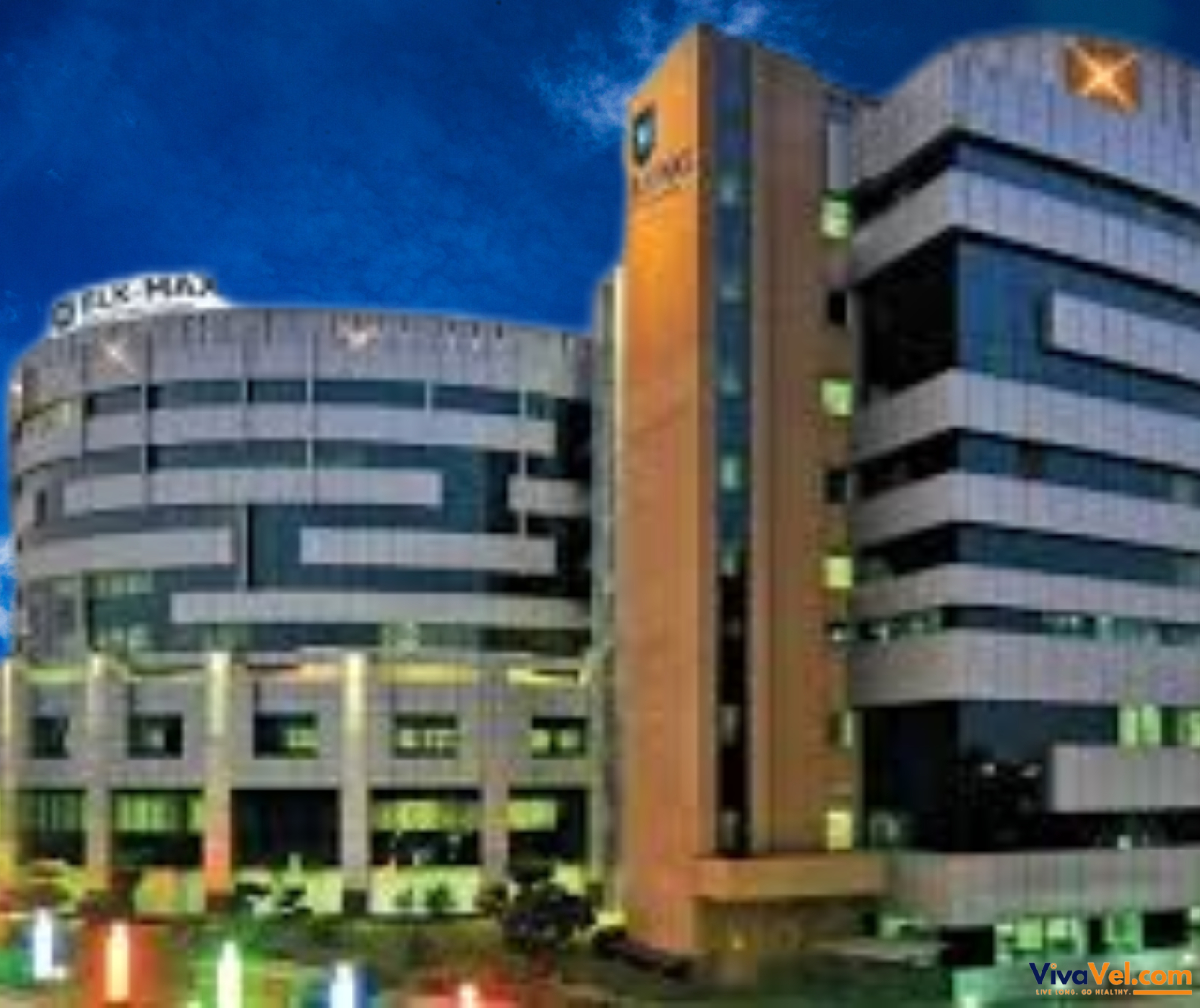

 BLK-MAX Super Specialty Hospital
 Pusa Road, Radha Soami Satsang, Rajendra Place New Delhi, 110005 India
 Accord Superspeciality Hospital
Budena Village, Sector 86, Faridabad, Haryana 121002, India
 SHALBY Sanar International Hospitals, Gurugram
Golf Course Rd, Parsvnath Exotica, DLF Phase 5, Sector 53, Gurugram, Haryana Gurgaon, 122022 India
 PARAS Health, Gurugram
C-1, Sushant Lok- 1, Sector-43, Phase- I, Gurugram, Haryana, 122002

 Dr. Rakesh Kumar
 Director – Orthopedics And Joint Repla...
 Joint Replacement Surgeon
 19 Years Experience
 Accord Superspeciality Hospital
Dr. Rakesh Kumar is an esteemed Orthopaedic and Joint Replacement Specialist with over 19 years of extensive experience in the field. With more than 13 years dedicate...
 Book Consultation
 Dr. Yuvraj KumarChairman
Orthopedics And Joint Replacement Surgeo...
24 Years ExperienceAccord Superspeciality Hospital
Dr. Yuvraj KumarChairman
Orthopedics And Joint Replacement Surgeo...
24 Years ExperienceAccord Superspeciality Hospital
Dr. Yuvraj Kumar has vast experience in joint replacement and spine surgery. He specializes in treating conditions related to the musculoskeletal system, including disorders ...
Book Consultation
 Dr. Vikash KapoorVice Chairman & Group Director – Ortho...
Orthopedic Sciences, Robotic Surgery
25 Years ExperienceManipal Hospital (E.M. Bypass), Kolkata
Dr. Vikash KapoorVice Chairman & Group Director – Ortho...
Orthopedic Sciences, Robotic Surgery
25 Years ExperienceManipal Hospital (E.M. Bypass), Kolkata
Dr. Vikash Kapoor is a distinguished Senior Consultant Orthopedic Surgeon with an extensive track record of over 8,000 successful orthopedic procedures. He serves as ...
Book Consultation
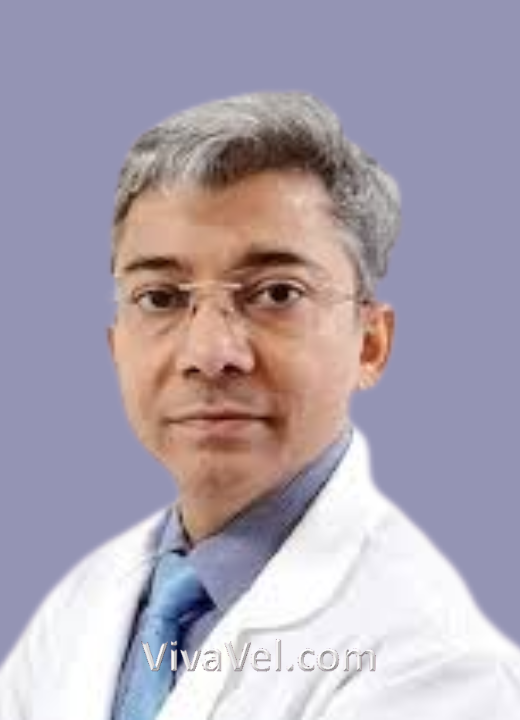 Dr. Saif N ShahDirector
Orthopedic And Joint Replacement Surgeon
17 Years ExperienceMedanta Super Speciality Hospital, Lucknow
Dr. Saif N ShahDirector
Orthopedic And Joint Replacement Surgeon
17 Years ExperienceMedanta Super Speciality Hospital, Lucknow
Dr. Saif Nabi Shah is a highly skilled Orthopedic and Joint Replacement Surgeon with 17 years of experience in the field. He specializes in complex intra-articular is...
Book Consultation
 Dr. Dharmendra SinghDirector
Orthopedic And Joint Replacement Surgeon
27 Years ExperienceMedanta Super Speciality Hospital, Lucknow
Dr. Dharmendra SinghDirector
Orthopedic And Joint Replacement Surgeon
27 Years ExperienceMedanta Super Speciality Hospital, Lucknow
Dr. Dharmendra Singh is a highly skilled orthopedic surgeon and Director of the Institute of Musculoskeletal Disorders and Orthopedics at Medanta Lucknow. Before his ...
Book Consultation
 Dr. Rajiv ChatterjeeSenior Consultant & Faculty – DNB Orth...
Dislocation, Lower Back Pain, Orthopedic...
32 Years ExperienceManipal Hospital (E.M. Bypass), Kolkata
Dr. Rajiv ChatterjeeSenior Consultant & Faculty – DNB Orth...
Dislocation, Lower Back Pain, Orthopedic...
32 Years ExperienceManipal Hospital (E.M. Bypass), Kolkata
Dr. Rajiv Chatterjee is a distinguished Orthopedic Surgeon with over 32 years of experience practicing in Kolkata. He specializes in various surgical procedures,...
Book Consultation
Treatment Plan & Cost within 2 days















 Bone Marrow Transplant (BMT)
 Manipal Hospital (Old Airport Road), Bengaluru
 Dr. Anjila Aneja