The pituitary gland is a small, pea-sized organ located at the base of the brain. It is often referred to as the “master gland” because it produces vital hormones that regulate growth, metabolism, thyroid function, reproduction, and other bodily processes. A pituitary tumour is an abnormal growth in this gland. Most pituitary tumours are benign (non-cancerous), but they can still cause serious health issues by:
Producing excess hormones (leading to conditions like Cushing’s disease, acromegaly, or thyroid disorders)
Pressing on nearby brain structures, such as the optic nerves, which can cause vision problems
Disrupting normal pituitary functions, resulting in hormone deficiencies
Treatment for pituitary tumours may include surgery, radiation therapy, medication, or a combination of these methods. India has emerged as a global destination for pituitary tumour treatment, thanks to its skilled neurosurgeons, advanced technology, high success rates, and affordable care.
 The symptoms vary depending on whether the tumour produces excess hormones or compresses nearby structures:
Hormone-related symptoms
Overproduction of growth hormone → acromegaly (enlarged hands and feet, facial changes)
Overproduction of ACTH → Cushing’s disease (weight gain, round face, easy bruising)
Overproduction of prolactin → irregular periods in women, infertility, low testosterone in men
Excess thyroid-stimulating hormone (TSH) → hyperthyroidism
Pressure-related symptoms
Persistent headaches
Blurred or double vision
Vision loss, especially peripheral vision loss
Nausea or vomiting
Fatigue or weakness
The exact cause of pituitary tumors is not always known. However, factors include:
Genetic syndromes (like MEN type 1)
Random cell mutations leading to abnormal growth
Rarely, a family history of pituitary disorders
Most tumors develop sporadically without a clear trigger.
See a doctor immediately if you or your loved one experiences:
Sudden or worsening vision problems
Unexplained weight gain, irregular periods, or infertility
Excessive growth in hands, feet, or facial features
Persistent headaches
Severe fatigue, dizziness, or hormonal imbalance
Early diagnosis improves treatment outcomes significantly.
Family history of endocrine tumors
Genetic conditions (like multiple endocrine neoplasia)
Age 30–60 (though tumors can occur at any age)
Slightly more common in women for certain hormone-secreting tumors
Accurate diagnosis of a pituitary tumour involves a combination of hormonal evaluations, imaging studies, and sometimes vision assessments to determine the tumour’s type, size, and impact on nearby structures.
1. Physical Examination & Medical History
Your doctor will review your symptoms, such as headaches, vision changes, fatigue, or hormonal imbalances, and assess your overall health and medical history.
2. Hormone Blood and Urine Tests
Pituitary tumours often affect hormone production. Laboratory tests help measure levels of:
Prolactin
Growth hormone (GH)
Adrenocorticotropic hormone (ACTH)
Thyroid-stimulating hormone (TSH)
Cortisol and thyroid hormones
These results help determine whether the tumour is producing excess hormones (functioning tumour) or not (non-functioning tumour).
3. Imaging Tests
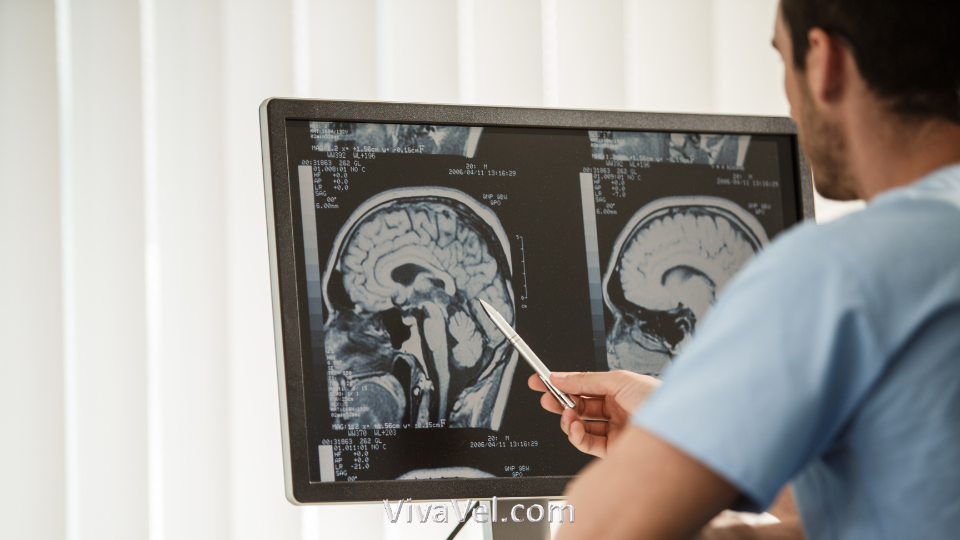
Magnetic Resonance Imaging (MRI): The primary imaging method to detect pituitary tumours, showing their size, location, and effect on surrounding tissues.
Computed Tomography (CT) Scan: Used when an MRI is not suitable, providing detailed cross-sectional images of the brain and skull base.
4. Vision (Ophthalmologic) Tests
Since the pituitary gland is located near the optic nerves, tumours can cause vision problems. Specialized eye exams assess:
Peripheral (side) vision
Visual acuity and field defects
5. Dynamic Testing (if needed)
In some cases, stimulation or suppression tests are performed to assess how the pituitary gland responds to specific hormones or medications.
Do’s:
Attend all follow-up appointments with your neurosurgeon and endocrinologist
Take medications as prescribed (especially hormone replacements)
Watch for symptoms like vision changes, extreme thirst, or fatigue
Maintain a healthy lifestyle with a good diet and exercise
Don’ts:
Don’t ignore persistent headaches or hormonal symptoms
Avoid self-medicating with over-the-counter hormones
Don’t miss scheduled imaging or lab tests
Recovery & Outlook
Most patients recover within 4 to 6 weeks after pituitary surgery.
Hormone-secreting tumors often improve significantly after treatment.
Lifelong follow-up may be needed to monitor hormone levels and tumor recurrence.
With expert care, patients can enjoy a normal, healthy life.
At VivaVel Health, we connect you to India’s top neurosurgeons and endocrinology teams who specialize in pituitary tumor care. We are a medical tourism company, not a hospital. Still, we ensure you receive the best possible treatment with complete support.
Access to Leading Hospitals with advanced neurosurgical suites and Gamma Knife technology
Expert Multidisciplinary Teams, including neurosurgeons, endocrinologists, and radiologists
Affordable Packages that save 60–70% compared to Western countries
Seamless Medical Tourism Support – visa help, airport transfers, translators, and accommodation
Compassionate Guidance – We understand the stress of diagnosis and support you and your family every step of the way
Disclaimer:
Our medical content authors have diligently gathered and synthesized information on this topic to offer valuable insights to our readers. Drawing from a range of reputable medical journals and health resources, this content aims to enhance understanding of the subject. It's essential to remember that while this information is informative, it should not replace personalized consultation or treatment from a qualified healthcare professional. For further details, please refer to our Editorial Policy.
For this topic, our authors used some of the following resources:
Mayo Clinic | Pituitary tumors - Diagnosis and treatment
National Cancer Institute (.gov) | Pituitary Tumors Treatment (PDQ®)
Cleveland Clinic | Pituitary Adenomas: Definition, Symptoms & Treatment
.png)
Saba holds a Master’s degree in Pharmacy from Jamia Hamdard University, New Delhi and possesses a deep understanding of medical subjects. She is an experienced teacher and is passionate about health education. She has a remarkable talent for transforming complex medical concepts into engaging, accurate, and impactful content to inspire healthier living. With a deep scientific understanding and thorough research, Saba consistently supports her writings with the latest publications, ensuring accuracy and relevance.
Dr. Yuvraj brings over 27 years of clinical and leadership experience. He contributes to the VivaVel Editorial and Peer Review Panel and is a strong advocate for ethical, evidence-based healthcare. Dr. Yuvraj ensures that VivaVel’s medical content stays accurate, authentic, and patient-centred. His extensive expertise in modern and traditional medicine, along with his Clinical Pharmacology background, helps him communicate complex scientific concepts in accessible ways. This ensures that VivaVel’s content remains trustworthy for readers and patients worldwide.




 BLK-MAX Super Specialty Hospital
 Pusa Road, Radha Soami Satsang, Rajendra Place New Delhi, 110005 India
 Accord Superspeciality Hospital
Budena Village, Sector 86, Faridabad, Haryana 121002, India
 PARAS Health, Gurugram
C-1, Sushant Lok- 1, Sector-43, Phase- I, Gurugram, Haryana, 122002
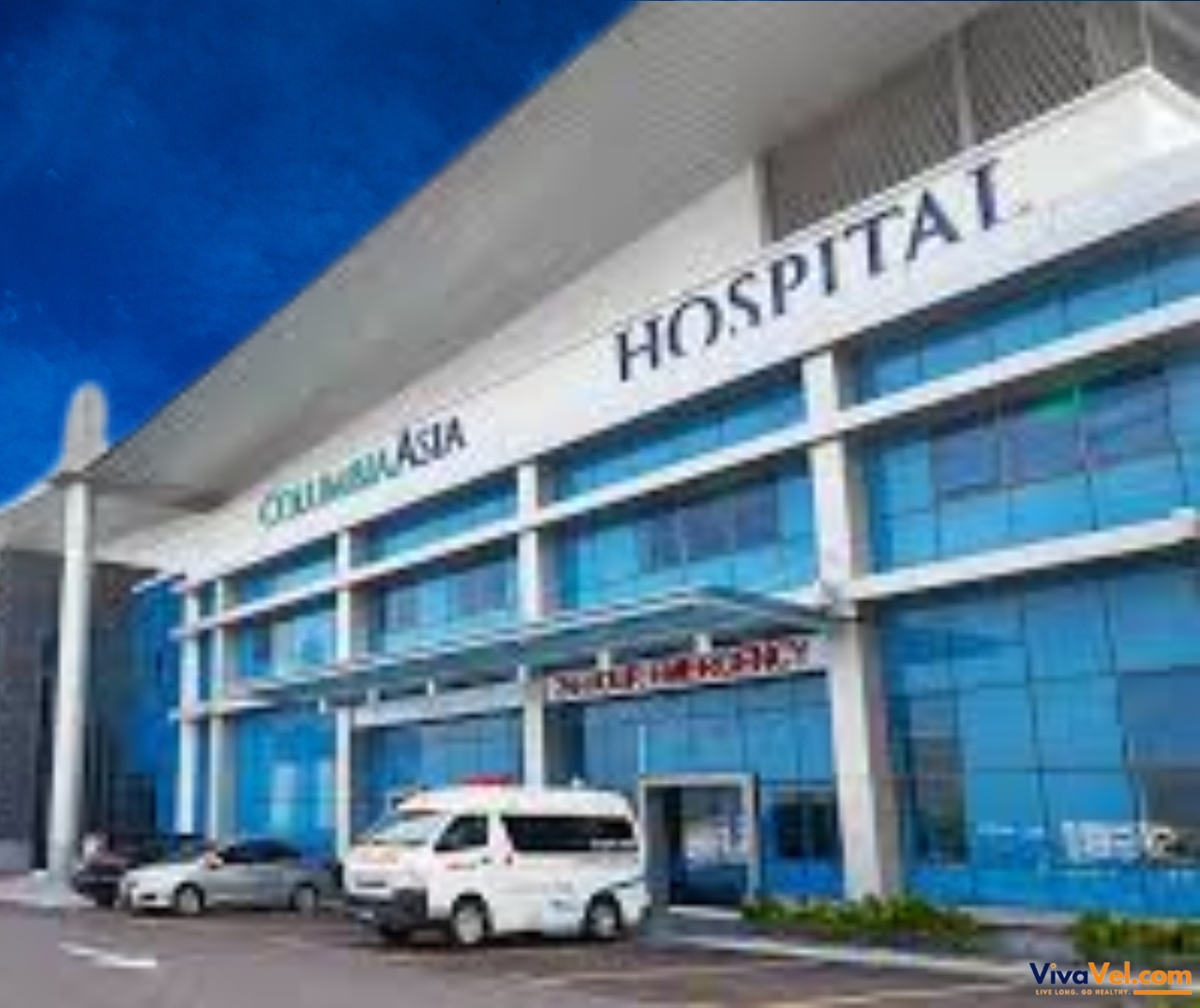 Columbia Asia Extended Care Hospital
Lot 2, Jalan Baung 17/22, Seksyen 17, 40200 Shah Alam, Selangor Kuala Lumpur, 40200 (Malaysia)
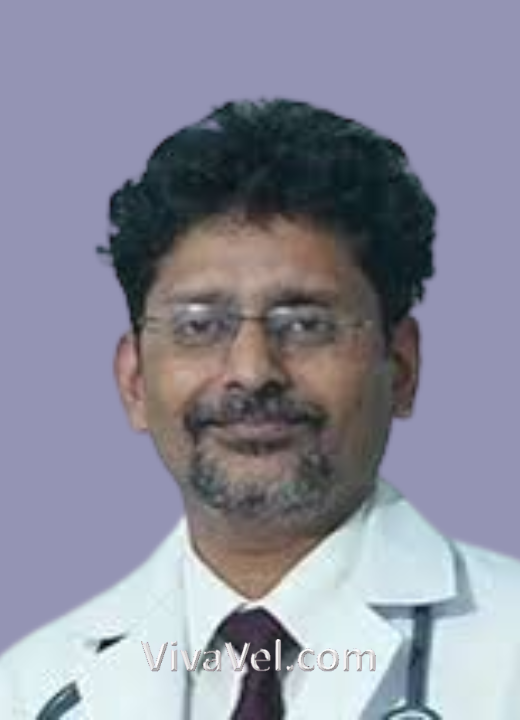
 Dr. Rohit Gupta
 Chairman, Neurosciences
 Neurology
 17 Years Experience
 Accord Superspeciality Hospital
Dr. (Prof.) Rohit Gupta is a well-known neurologist in Faridabad, Haryana, India, with over 17 years of experience in clinical neurology. He achieved academic success...
 Book Consultation
 Dr. Sandeep GhoshConsultant
Neuro-Surgeon
11 Years ExperienceAccord Superspeciality Hospital
Dr. Sandeep GhoshConsultant
Neuro-Surgeon
11 Years ExperienceAccord Superspeciality Hospital
Dr. Sandeep Ghosh is a highly regarded consultant neurologist, currently practicing at the esteemed Neurosciences Department of Accord Superspeciality Hospital in Faridabad, ...
Book Consultation
 Dr. Vikram DuaDirector – Dept Of Brain & Spine Surge...
Neurosurgery & Spine
26 Years ExperienceAccord Superspeciality Hospital
Dr. Vikram DuaDirector – Dept Of Brain & Spine Surge...
Neurosurgery & Spine
26 Years ExperienceAccord Superspeciality Hospital
Dr. Vikram Dua is one of India's top neuro and spine surgeons. With over 26 years of experience, he has performed over 10,000 surgeries, with a success rate excee...
Book Consultation
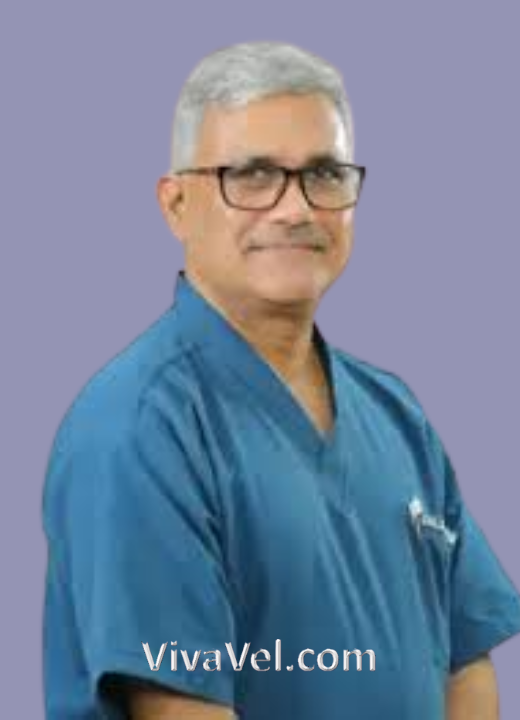 Dr. L. N. TripathySenior Vice Chairman, Director & Senior ...
Neuro-Surgeon
31 Years ExperienceManipal Hospital (E.M. Bypass), Kolkata
Dr. L. N. TripathySenior Vice Chairman, Director & Senior ...
Neuro-Surgeon
31 Years ExperienceManipal Hospital (E.M. Bypass), Kolkata
Dr. LN Tripathy is a highly esteemed neurosurgeon with an impressive 31-year career. Since April 2010, he has been the Director of the Medica Institute of Neurologica...
Book Consultation
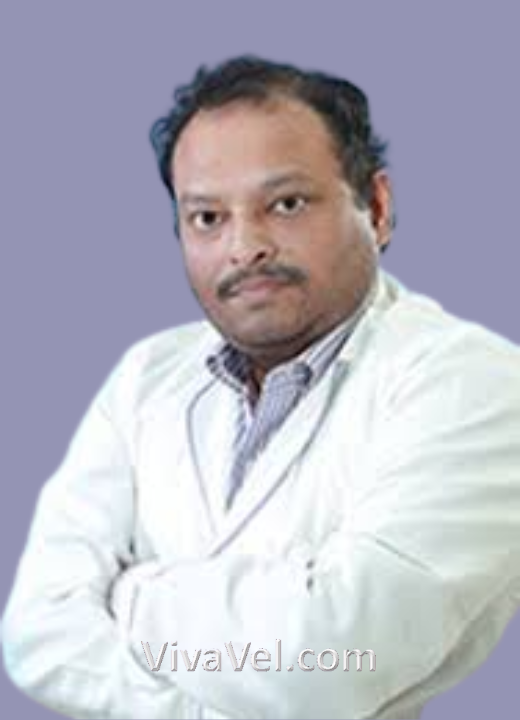 Dr. Anish Kumar GhoshConsultant
Neurology (Medicine)
20 Years ExperienceManipal Hospital (E.M. Bypass), Kolkata
Dr. Anish Kumar GhoshConsultant
Neurology (Medicine)
20 Years ExperienceManipal Hospital (E.M. Bypass), Kolkata
Dr. Anish Kumar is a highly experienced medical professional with over 21 years of experience, including more than 11 years dedicated to neurology. He is currently a ...
Book Consultation
 Dr. Kaushik SenHOD & Senior Consultant
Neurologist
18 Years ExperienceManipal Hospital (E.M. Bypass), Kolkata
Dr. Kaushik SenHOD & Senior Consultant
Neurologist
18 Years ExperienceManipal Hospital (E.M. Bypass), Kolkata
Dr. Kaushik Sen is a highly esteemed senior consultant neurologist with over 18 years of post-DM experience in neurology. He holds a gold medal in MBBS, an MD i...
Book Consultation
Treatment Plan & Cost within 2 days















 IVF Treatments
 Fortis Escorts Heart Institute
 Dr. Anjila Aneja