 60 Days
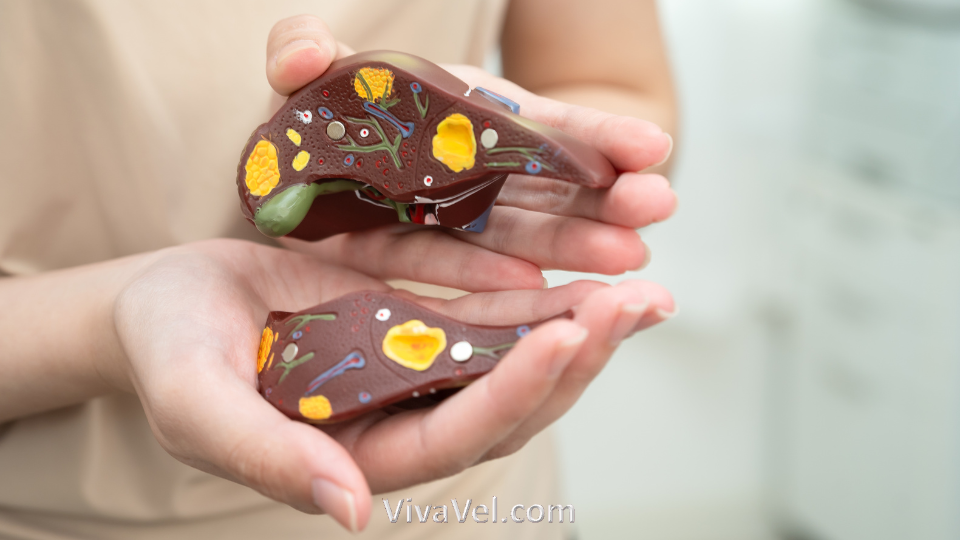
About Liver Transplant
Our liver transplant package is designed to provide international patients with world-class medical care, cutting-edge technology, and personalized services in a patient-friendly environment. We collaborate with leading hospitals and experienced transplant surgeons to ensure the best possible outcomes for our patients.
_5.png)
Fortis Memorial Research Institute (FMRI)
 Sector - 44, Opposite HUDA City Centre Gurgaon, 122002 India
 2001
2001 310
310 Multi Specialty
 Whatsapp Us
Address & Nearby Location

Airport : Indra Gandhi International Airport
Distance : 16 Kilo Meters | Duration: 25 Mins by car

Metro : Huda City Centre
Distance : 800 Meters | Duration: 10 Mins by car

Railway Station : Gurgaon Railway Station
Distance : 10 Kilo Meters | Duration: 20 by car
About Doctor
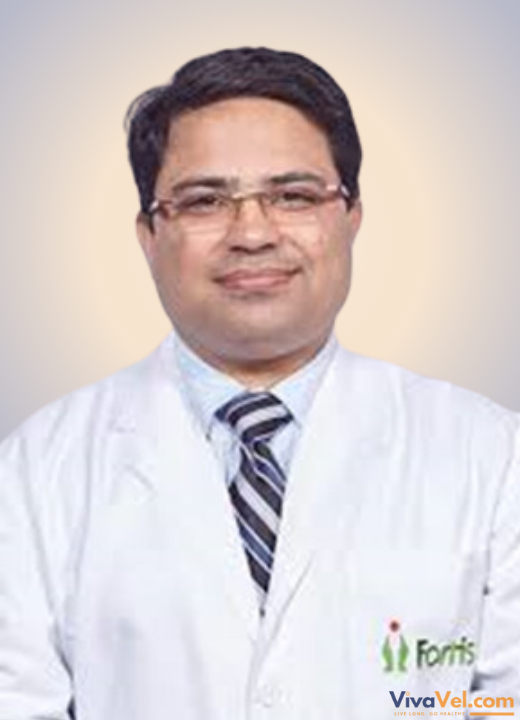

Dr. Vivek Vij

Chairman

Gastroenterology And Hepatobiliary Sciences | GI, Minimal Access And Bariatric Surgery | Liver Transplant | Me...

25 Years Experience | 0 Surgeries & Procedures

Fortis Memorial Research Institute (FMRI)
Dr. Vivek Vij is an accomplished liver transplant surgeon credited with developing living donor surgery and implementing safety protocols to achieve a 100% donor safety profile since its inception in the country. He is recognized as the first surgeon from the Indian subcontinent to publish a series of laparoscopic Donor Hepatectomy in 'Liver Transplantation.' Dr. Vij ...

-
Fortis Memorial Research Institute (FMRI) is a quaternary care hospital with multiple superspecialties. It is staffed by esteemed clinicians, including superspecialists and specialized nurses, and supported by advanced technology.
-
Founded in 2001, it is the flagship facility of Fortis Healthcare, one of the country's leading healthcare organizations.
-
The hospital holds accreditations from JCI, NABH, and NABL.
-
In 2023, it was acknowledged for its exceptional Bone Marrow Transplant services at the Bangladesh International Healthcare Expo.
-
The same year, it received an award at Advantage Healthcare India's Medical Value Travel Awards.
-
Furthermore, in 2023, the Ministry of Health of the Republic of South Sudan presented the hospital with a Certificate of Appreciation.
-
FMRI was recognized as the Best Hospital in North India for Oncology, Cardiology, and Gastroenterology by the Economic Times Healthcare Awards in 2021.
-
It was the sole Indian hospital on Newsweek's list of the top 25 'World's Best Smart Hospitals 2021.'
-
The hospital achieved the No. 2 spot in The Week Magazine Survey for Delhi NCR's Best Private Hospital in 2019, 2020, and 2021.
-
In 2020, FMRI was honored as the Best Oncology Hospital – Regionally by the Economic Times Healthworld Hospital's Awards.
-
In 2019, it received the FICCI Medical Value Specialist Travel Award for its excellence in Neurosciences, Spine Surgery, and Bone Marrow Transplant.
-
2019, it also received the Pharmacie De Qualite Award for Good Pharmacy Practices.
-
FMRI was recognized as The Best Hospital to Work for by AHPI in 2019.
-
The hospital gained international recognition for its quality and innovation, ranking 2nd in a study assessing the world's 30 most technologically advanced hospitals.
-
It was awarded a Certificate of Merit at the 2015 DL SHAH Awards for its Quality Improvement Projects to enhance compliance with the Surgical Safety Checklist.
-
The Asia Pacific Society of Infection Control (APSIC) designated FMRI's CSSD as a Centre of Excellence.
-
FMRI is a 310-bed hospital with 15 operating theaters and beds equipped for robotic surgeries.
-
It is spread over 150,000 square feet of nature-friendly terrain and offers a range of advanced amenities.
-
The hospital boasts innovative medical technology, modular operating rooms, and specialized facilities for various medical procedures.
-
It features India's first "see-through" glass for immediate blood sample collection and processing.
-
Additionally, FMRI has a first-of-its-kind E-ICU with two-way audio-visual communication, enabling clinicians to access patients 24/7.
-
Two modular operating rooms are equipped with advanced technology and controlled through a standard control panel.
-
The facility includes the latest 256-Slice Brilliance iCT Scanner, which can capture an image of the entire heart in just two heartbeats.
-
It also houses a Bi-Plane Cath Lab and an ultra-modern Cardiac Cath Lab for cardiac and vascular interventions.
-
FMRI offers a CT-based Brain Suite with intraoperative CT for brain and spine procedures and the latest Gamma Knife technology for precise, non-invasive treatments.
-
The hospital is recognized for its expertise in radiation therapy and features the world's fworld'sgital MRI technology, 3 Tesla.
-
Moreover, FMRI provides Wi-Fi-enabled rooms, personalized meal plans, and an exclusive lounge for international patients.
-
Room Rent
-
Cost of Surgery
-
Consultations by the treating team
-
Basic Investigations
-
Routine Pharmacy and Consumables and Blood Products
-
Patient and Attendant’s Food
-
Stay beyond the number of days included in the package.
-
Any additional Surgery/procedure that may be required.
-
Consultation by a doctor of an unrelated specialty.
-
Any special equipment that might be needed.
-
Personal Protection Equipment for Doctors and Healthcare Workers.
-
Any medicines/tests needed after discharge from the hospital.
Outside Hospital - Stay and Expenses
After discharge from the hospital, the patient will likely be required to stay near the hospital for 2-3 months for follow-ups and recuperation.
He can choose to stay in guest houses, hotels, or furnished apartments. These are usually $30 to $50 or $ 75 per day. An apartment typically costs between USD 700 and USD 1000 per month. He can also choose to stay in a nearby 5-star hotel, which costs USD 150-200 per night.
Additionally, patients may budget USD 50 per person for daily expenses, such as food, local transportation, and telecommunications. For local transport, he can use Uber/Ola/private taxis, which are readily available.
Returning Back
The hospital will arrange for the patient to be picked up at the airport from his residence in New Delhi.
 Day 1: Arrival in India
Meet and greet at the airport by a hospital representative.
Transfer to hospital or pre-arranged accommodation.
Check-in and rest.
Day 2: Pre-Transplant Evaluation
Initial consultation with the transplant team.
Comprehensive medical assessment and diagnostic tests.
Detailed discussion on procedure, risks, and expected outcomes.
Day 3-5: Pre-Surgical Preparation
Additional tests and consultations as needed.
Medication adjustments and pre-operative counselling.
Discussions with dietitians and physiotherapists for pre- and post-surgical care.
Day 6: Surgery Day
Admission to the hospital.
Final pre-operative checks.
Expert surgeons perform liver transplant surgery.
Day 7-14: Post-Operative Recovery in Hospital
ICU monitoring and gradual recovery.
Continuous medical evaluation and pain management.
Physiotherapy and dietary support.
Day 15-30: Post-Discharge Recovery
Discharge from the hospital and transfer to nearby accommodation.
Regular follow-up visits to monitor progress.
Medication management and lifestyle adjustments.
Assistance with rehabilitation and counselling.
2-3 Months: Recuperation and Follow-ups
Ongoing medical consultations and tests.
Dietary and physical rehabilitation sessions.
Monitoring for rejection or complications.
Support for patients and attendants throughout the stay.
Returning Home
Final consultation with the treating team.
Clearance for travel.
Hospital-arranged transfer to the airport.
Post-return follow-up plan and teleconsultation support.
Additional Services:
Assistance with accommodation (guest houses, apartments, or hotels).
Local transportation arrangements.
Language and translation support.
Assistance with visa and medical documentation.
A liver transplant is a surgical procedure in which a damaged or diseased liver is replaced with a healthy liver from a donor. This surgery becomes necessary when the liver is not functioning properly and cannot heal on its own. The liver is a vital organ that filters harmful substances from the blood, produces bile to aid digestion, and stores energy.
A liver transplant is usually recommended when someone has liver failure. This means the liver can no longer do its job well enough to keep the body healthy.
Liver failure can happen because of:
- Chronic liver diseases, like cirrhosis (scarring of the liver), are often caused by long-term infections (hepatitis B or C) or excessive alcohol use.
- Acute liver failure can happen quickly due to drug overdoses (like taking too much acetaminophen) or poisoning.
- Genetic disorders, where people are born with conditions that damage the liver, like Wilson's disease.
Liver failure happens when the liver is severely damaged and can't function properly. Some common signs and symptoms include:
-
Jaundice: Yellowing of the skin and eyes
-
Abdominal pain and swelling
-
Fatigue and weakness
-
Nausea and vomiting
-
Loss of appetite
-
Confusion or difficulty thinking clearly
-
Dark urine and pale stool.
Liver failure can result from several conditions, including:
-
Chronic Liver Diseases: Like cirrhosis (scarring of the liver), often caused by:
-
Chronic hepatitis B or C infections
-
Alcohol abuse
-
Acute Liver Failure: Rapid liver failure caused by:
-
Drug overdose (e.g., acetaminophen)
-
Infections
-
Toxins
-
Inherited Diseases, like Wilson's disease or hemochromatosis
-
Autoimmune Diseases, where the immune system attacks the liver
-
Non-Alcoholic Fatty Liver Disease (NAFLD).
If you experience symptoms like jaundice, severe fatigue, confusion, or swelling in the abdomen or legs, seek medical help immediately. These signs indicate that the liver may not be functioning well.
Several factors increase the risk of needing a liver transplant:
-
Chronic alcohol use,
-
Chronic viral hepatitis (B or C),
-
Obesity (increases the risk of fatty liver disease),
-
Diabetes (linked with non-alcoholic fatty liver disease),
-
Exposure to toxins or certain medications.
Doctors perform various tests to evaluate liver function and determine if a transplant is necessary:
-
Blood Tests: To check liver enzymes, bilirubin levels, and other indicators of liver health.
-
Imaging tests, such as ultrasound, CT scan, or MRI, can help detect liver damage or abnormalities.
-
Liver Biopsy: A small piece of liver tissue is examined under a microscope.
-
Endoscopy: A flexible tube with a camera is used to examine the digestive tract for bleeding, a common complication of liver failure.
Pre-Surgery: Once it's decided that a transplant is needed, the patient is placed on a waiting list for a donor's liver. Sometimes, a liver can be donated by a living donor (someone who donates part of their liver).
Surgery: The damaged liver is removed, and the donor liver is placed in its place. Blood vessels and bile ducts are connected.
Post-Surgery: The patient stays in the hospital for recovery. They are closely monitored for signs of rejection (where the body attacks the new liver) or infection.
Immunosuppressive Medications: To prevent the body from rejecting the new liver.
Regular Check-ups: Patients require lifelong medical follow-up to ensure their liver functions properly.
A healthy lifestyle, including a balanced diet, regular exercise, and moderate alcohol consumption, is crucial for maintaining liver health.
Do's:
-
Take prescribed medications regularly, especially immunosuppressants.
-
Attend regular follow-ups, such as blood tests and doctor visits.
-
Eat a healthy diet: Focus on lean proteins, whole grains, and vegetables.
-
Stay active: Gentle exercise helps improve overall health.
-
Practice hygiene: Wash hands regularly to avoid infections.
Don'ts:
-
Don't drink alcohol: It can damage the new liver.
-
Avoid smoking or using drugs: They increase the risk of complications.
-
Don't skip medications: This can lead to rejection of the new liver.
-
Avoid raw or undercooked foods: To prevent infections, which can be severe post-surgery.
 Breast Cancer
 Bangkok Hospital
 Dr. Ashu Kumar Jain