 Published at: 10 Dec 2025
Frequently Viewed
Published at: 10 Dec 2025
Frequently Viewed
Medical Tourism: Step-by-Step Patient Guide
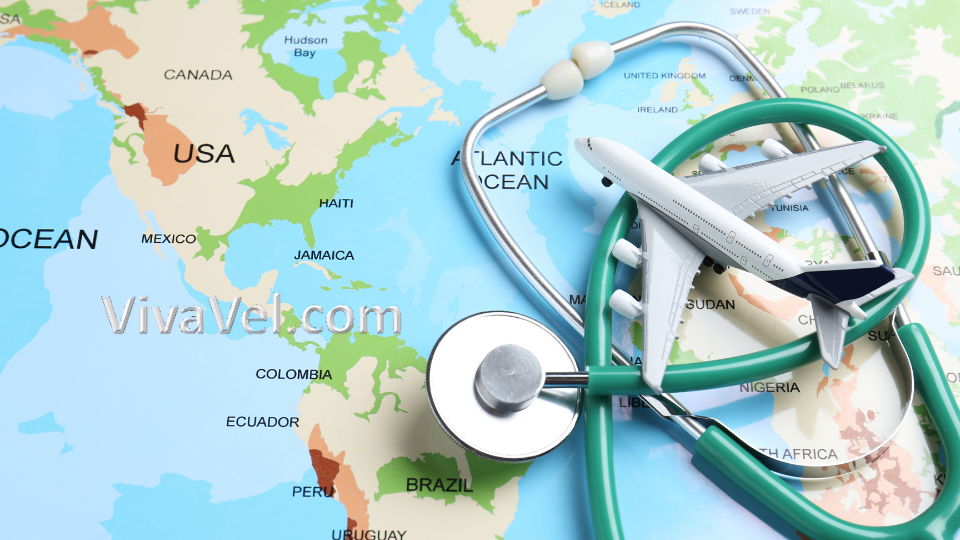
Medical tourism is an increasingly popular way for people to receive high-quality medical treatments abroad while saving money. Whether it's for major surgery, cosmetic procedures, or specialised care, many patients are choosing to travel to countries with state-of-the-art hospitals, advanced healthcare technologies, and affordable treatment costs. But how exactly does the process work? In this blog, we will guide you through the step-by-step process of medical tourism and explain how it works for patients from initial research to recovery.
Step 1: Research and Decide on Treatment
The journey of medical tourism begins with researching the type of treatment you need and where to get it. Start by identifying your medical needs and understanding which treatments are available in different countries. Popular treatments that attract medical tourists include:
-
Cosmetic surgeries (e.g., facelifts, breast implants, hair transplants)
-
Orthopaedic procedures (e.g., knee replacements, spine surgery)
-
Cardiac surgeries (e.g., bypass surgeries, angioplasty)
-
Dental care (e.g., implants, teeth whitening)
-
Fertility treatments (e.g., IVF, surrogacy)
-
Cancer treatments (e.g., chemotherapy, radiotherapy)
You will also want to research the best countries known for offering these treatments at affordable prices, such as India, Thailand, Turkey, and Germany.
Action Steps:
-
Search for hospitals and clinics that specialize in your treatment.
-
Look for patient reviews and testimonials to evaluate the quality of care.
-
Consider factors like cost, treatment duration, and success rates.
Step 2: Choosing the Right Medical Tourism Provider
Once you’ve narrowed down your treatment options and potential destinations, the next step is to choose a medical tourism provider. This company acts as a liaison between you and the healthcare provider in the destination country. A good medical tourism provider will:
- Help you find the best hospitals and doctors for your specific needs.
-
Provide price comparisons and cost estimates.
-
Assist with visa arrangements, travel logistics, and accommodation.
-
Ensure you are matched with accredited hospitals that adhere to international healthcare standards.
Action Steps:
-
Select a medical tourism provider with excellent customer service and a good track record.
-
Ask for free consultations and cost breakdowns.
-
Verify that the provider works with certified hospitals (e.g., JCI-accredited).
Step 3: Initial Consultation and Diagnosis
After selecting a provider, you’ll typically have an initial consultation with the medical team abroad. This can happen in one of two ways:
1. Remote Consultations
Many hospitals and clinics offer telemedicine services, allowing you to consult with the doctor via video calls or email. This is often the first step before deciding to travel abroad.
2. On-Site Consultations
In some cases, you may decide to visit the destination country beforehand for an in-person consultation to meet the doctors, assess the facilities, and discuss your treatment options.
Action Steps:
Share your medical history, test results, and any relevant documents (such as previous
surgeries).
Ask the doctor about their experience with your specific procedure.
Review the treatment plan, cost estimates, and expected recovery time.
Step 4: Treatment Plan and Travel Arrangements
Once the consultation is complete and you’ve agreed on the treatment plan, the next step is to finalize your travel arrangements. Your medical tourism provider will often assist with:
-
Visa assistance and necessary paperwork.
-
Booking flights and transportation to the hospital.
-
Arranging your accommodation (near the hospital or recovery center).
-
Providing you with a detailed itinerary, including your treatment dates and expected recovery timeline.
Some medical tourism providers also offer guides or patient coordinators who will meet you upon arrival, help you navigate the local area, and ensure you are comfortable throughout your stay.
Action Steps:
-
Book your flight and accommodation in consultation with your provider.
-
Ensure you have the necessary travel documents (e.g., medical visa).
-
Prepare any medications you may need before, during, and after the treatment.
Step 5: Arrival and Pre-Treatment Preparation
Once you arrive in the destination country, you will typically have a pre-treatment check-up to ensure that you are healthy enough for the procedure. The medical team will confirm details such as:
-
Your blood tests, X-rays, or other diagnostic procedures.
-
Consent forms and medical paperwork.
-
Preparation instructions (e.g., fasting before surgery, stopping medications, etc.).
During this time, you may also undergo any last-minute consultations with the surgeon or specialists to confirm the details of the treatment.
Action Steps:
-
Attend your pre-operative consultation.
-
Complete any necessary tests or medical clearances.
-
Ensure you understand the post-surgery care and recovery plan.
Step 6: Undergoing the Treatment
This is the stage where the actual treatment takes place. Whether you are undergoing surgery, a non-invasive procedure, or a medical procedure like chemotherapy, your doctor and medical team will be with you every step of the way. Most medical tourism destinations have high-quality hospitals with experienced medical professionals.
Action Steps:
-
Undergo the procedure as planned.
-
Stay in the hospital or recovery center for the required duration.
-
Follow pre-surgery instructions and post-surgery care to ensure the best results.
Step 7: Post-Treatment Care and Recovery
Recovery is a crucial part of the medical tourism process, and it is essential to follow the doctor’s instructions carefully. Many medical tourism providers assist with post-treatment care, including:
-
Follow-up consultations with your doctors, either in person or via telemedicine.
-
Physical therapy or rehabilitation services (if needed).
-
Medication management and wound care support.
-
Arrangements for travel back home once you're ready.
Many hospitals offer luxury recovery centres that allow patients to relax in a comfortable environment while recovering from their treatments.
Action Steps:
-
Follow the doctor’s recovery plan.
-
Stay in touch with the medical team for any follow-up queries.
-
Ensure you have a plan to return home when you’re ready.
Step 8: Travel Back Home and Ongoing Care
Once your treatment is complete and you have fully recovered from the procedure, you can safely travel back home. Some medical tourism providers offer post-return follow-up to ensure you continue your recovery.
If necessary, you can arrange for follow-up treatments or teleconsultations with your doctors at the destination hospital. Many international patients have continued care remotely, ensuring they stay on track with their recovery.
Action Steps:
-
Book your return flight once cleared by the doctor.
-
Arrange for follow-up care (e.g., telemedicine).
-
Keep your medical records handy for your doctor back home.
Conclusion
Medical tourism is a straightforward process when guided by a reliable medical tourism provider. From initial consultations to post-treatment recovery, the process involves careful planning and coordination to ensure a smooth, safe, and effective experience. By following the practical steps outlined above, you can receive high-quality medical care abroad while enjoying cost savings and top-notch facilities.
Are you ready to explore the benefits of medical tourism for your treatment? Contact VivaVel Health today to start your journey and receive expert guidance throughout the process.
.png)
Author
Saba Yasmin (M.Pharm)
.png)
 IVF Treatments
 Bangpakok 9 International Hospital (BPK9)
 Dr. Tawisak Labchitkuson