An Atrial Septal Defect (ASD) is a congenital heart condition where an opening between the left and right atria allows oxygen-rich and oxygen-poor blood to mix. If untreated, it can lead to complications such as pulmonary hypertension, arrhythmia, or heart enlargement.
ASD Closure can be performed through minimally invasive catheter-based techniques or open-heart surgery, depending on the size and location of the defect.
With India’s advanced cardiac facilities, internationally trained heart specialists, and cost-effective medical care, patients save up to 80% compared to treatment in Western countries while receiving world-class standards of care.
.png)
Saba holds a Master’s degree in Pharmacy from Jamia Hamdard University, New Delhi and possesses a deep understanding of medical subjects. She is an experienced teacher and is passionate about health education. She has a remarkable talent for transforming complex medical concepts into engaging, accurate, and impactful content to inspire healthier living. With a deep scientific understanding and thorough research, Saba consistently supports her writings with the latest publications, ensuring accuracy and relevance.
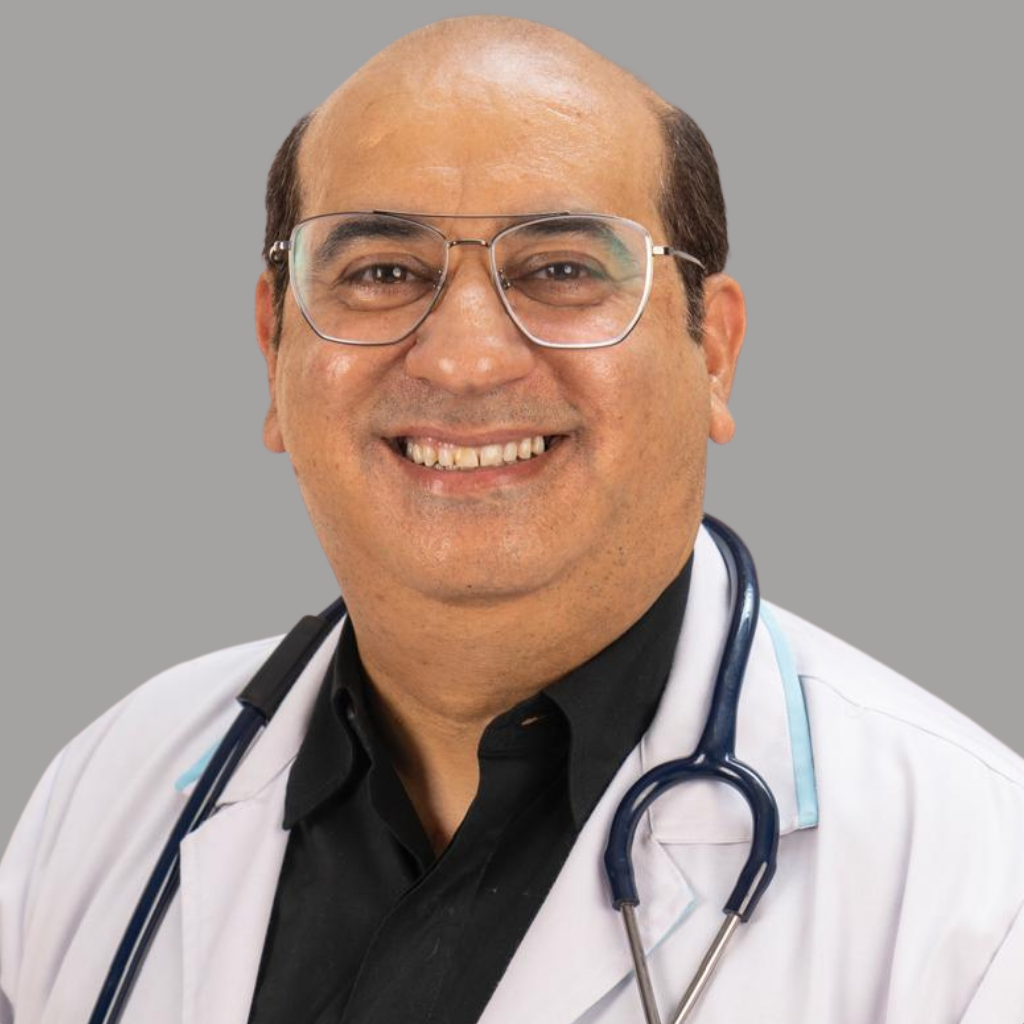
Dr. Yuvraj brings over 27 years of clinical and leadership experience. He contributes to the VivaVel Editorial and Peer Review Panel and is a strong advocate for ethical, evidence-based healthcare. Dr. Yuvraj ensures that VivaVel’s medical content stays accurate, authentic, and patient-centred. His extensive expertise in modern and traditional medicine, along with his Clinical Pharmacology background, helps him communicate complex scientific concepts in accessible ways. This ensures that VivaVel’s content remains trustworthy for readers and patients worldwide.
ASD closure can be performed in two ways:
Device (Catheter-Based) Closure:
A thin catheter is inserted through a vein in the groin and guided to the heart. A closure device is placed across the defect, sealing the hole without the need for open-heart surgery.
Surgical Closure:
For larger or complex defects, open-heart surgery is performed under general anaesthesia. The defect is closed with sutures or a synthetic patch.
The choice of method depends on the size, type, and location of the defect, as well as the patient's age and health condition. Both approaches have excellent success rates and quick recovery times.
After ASD closure, patients typically stay in the hospital for two to three days for observation and post-procedure care. Vital signs and heart rhythm are closely monitored.
Most patients can resume light activities within one week after a device closure and within three to four weeks after surgical closure.
Full recovery usually occurs within four to six weeks, depending on the method used. Follow-up echocardiograms are scheduled to ensure complete closure and healthy heart function.
The cost of ASD closure in India varies depending on several factors:
| Country | Minimum | Maximum |
|---|---|---|
| India | $5,000 | $9,000 |
| Thailand | $8,000 | $12,000 |
| Turkey | $7,000 | $11,000 |
| USA | $30,000 | $45,000 |
| UK | $25,000 | $35,000 |
India offers some of the most affordable packages globally, with outcomes comparable to the best cardiac centres in the world.
| City | Minimum | Maximum |
|---|---|---|
| New Delhi | $5,500 | $8,000 |
| Mumbai | $6,000 | $9,000 |
| Chennai | $5,000 | $8,000 |
| Bangalore | $5,800 | $8,500 |
| Hyderabad | $5,200 | $8,000 |
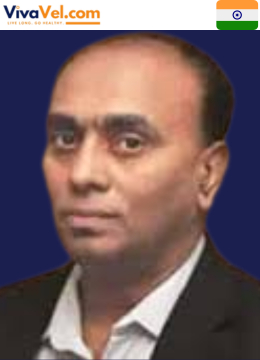
 Dr. S. Vijay Kumar Reddy
 Senior Consultant
 Interventional Cardiologist
 30 Years Experience
 KIMS Sunshine Hospitals
Dr. S. Vijay Kumar Reddy is a highly experienced Interventional Cardiologist in Hyderabad, India. With over 30 years of dedicated service in cardiology, he has garnered extens...

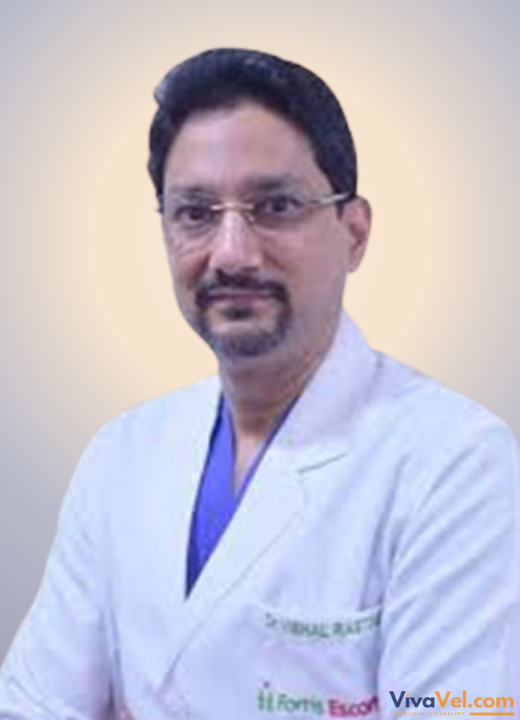 Dr. Vishal RastogiDirector Cardiology
Cardiac Sciences | Interventional Cardio...
20 Years ExperienceFortis Escorts Heart Institute
Dr. Vishal RastogiDirector Cardiology
Cardiac Sciences | Interventional Cardio...
20 Years ExperienceFortis Escorts Heart Institute
Dr. Vishal Rastogi is the Director of the Interventional Cardiology and Advanced Heart Failure Program at Fortis Escorts Heart Institute, Okhla, New Delhi. He is a we...
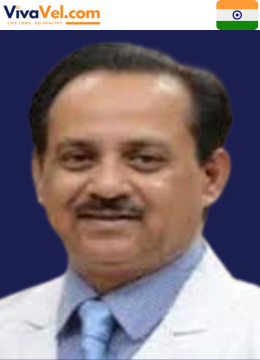 Dr. Akhilesh SrivastavaHOD & Senior Consultant
Non-Invasive Cardiologist
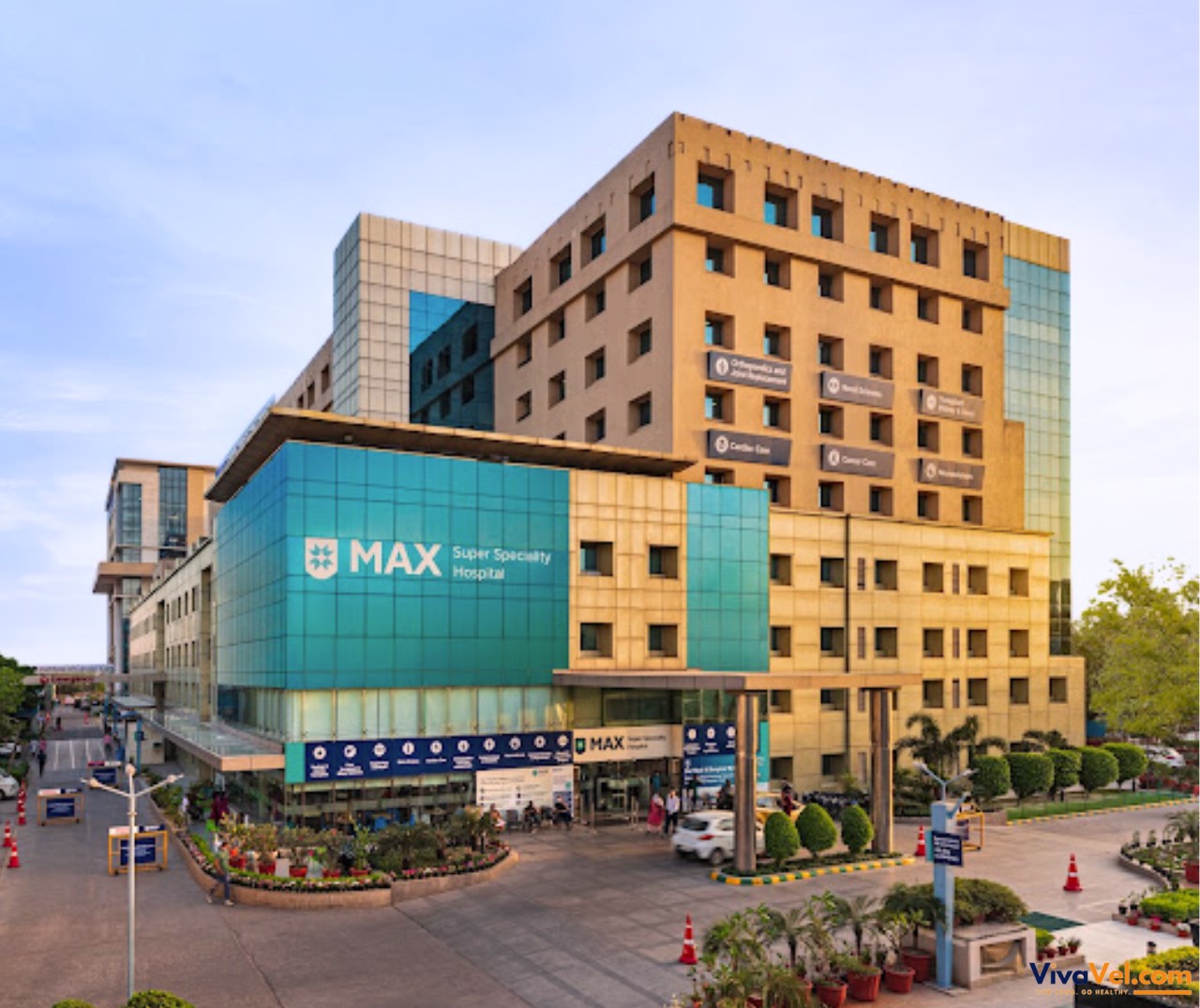
44 Years ExperienceMax Super Speciality Hospital, Saket
Dr. Akhilesh SrivastavaHOD & Senior Consultant
Non-Invasive Cardiologist
44 Years ExperienceMax Super Speciality Hospital, Saket
Presently working as Senior Consultant of Non-invasive Cardiology at Max Smart Super Specialty Hospital, Saket, New Delhi. Specializes in Non-Invasive cardiology...
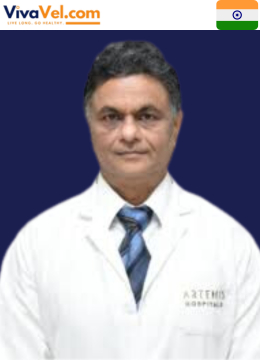 Dr. Sushant SrivastavaChairperson For Heart & Lungs Transplant
Cardio-thoracic And Vascular Surgery
28 Years ExperienceArtemis Hospital
Dr. Sushant SrivastavaChairperson For Heart & Lungs Transplant
Cardio-thoracic And Vascular Surgery
28 Years ExperienceArtemis Hospital
Dr. Sushant Srivastava is a renowned cardiovascular surgeon with over 28 years of experience. He completed his M.Ch. in Cardiothoracic and Vascular Surgery from AIIMS...
Treatment Plan & Cost within 2 days
















 Robotic Surgery
 MedPark International Hospital, Bangkok
 Dr. Rayaz Ahmed